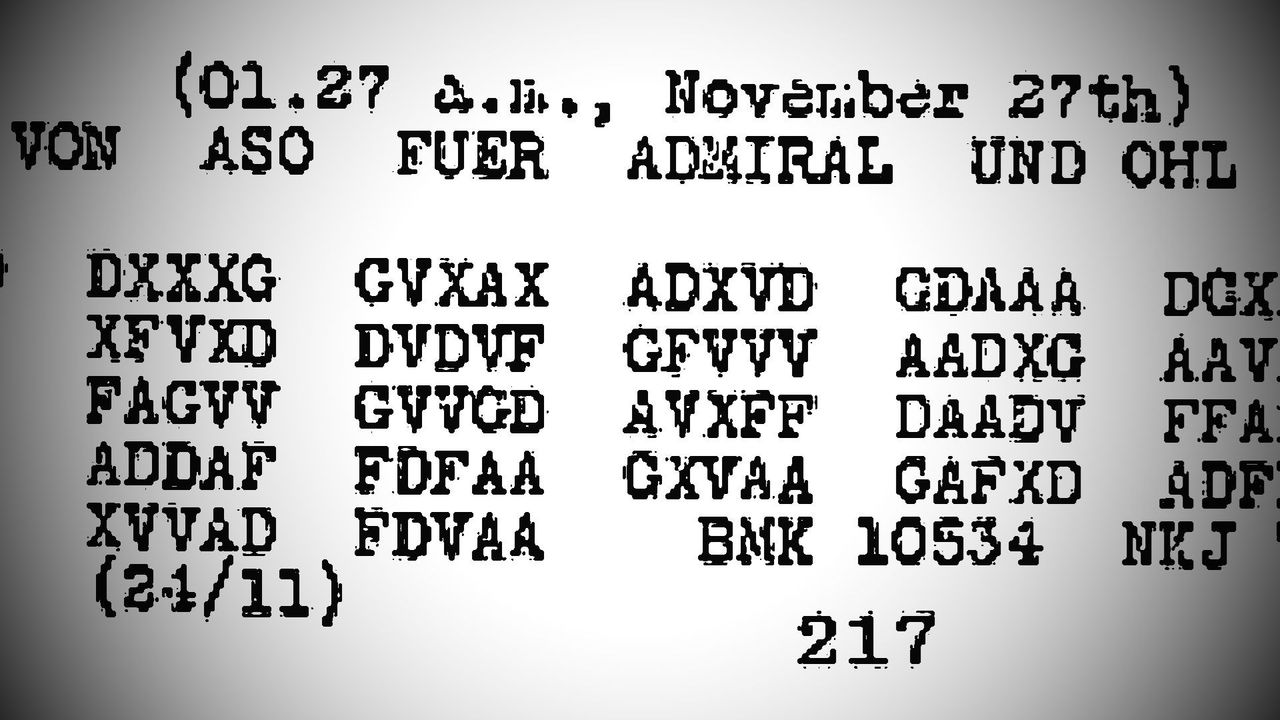
A model labeled 'GPT-6 Astra' surfaced on OpenRouter and was credited with deciphering a 108-year-old unsolved WWI German radio message, reportedly verified against HMS Canterbury logs. Treat the headline as signal, not settled fact—but the signal is worth reading carefully.
The cryptanalysis feat, if it holds up, is less about codebreaking and more about a capability shift: reasoning over sparse, degraded, non-linguistic historical data where no modern training corpus exists. That is a different order of task than the language and coding benchmarks that define today's frontier. For executives, the trap is repricing AI roadmaps on the basis of a leaked tag and an unreproduced demonstration. The genuinely useful part of the story is the verification step—checking output against independent ship logs. Provenance and reproducibility, not the flashy result, are the metrics that should govern any enterprise decision. A model that produces a confident, wrong decryption is worse than no model, and historical ciphers happen to be a domain where the ground truth is thin and adversarial hallucination is easy to miss.
There is also a market-mechanics angle. Frontier labs increasingly seed capability signals—leaked model names, viral demonstrations—ahead of formal launches, shaping competitive planning and procurement psychology before anyone can audit the claims. Buyers should resist letting these shape budget cycles until documented evals arrive.
For Japanese enterprises and SIers, the practical question is timing: when to commit to a next-generation model tier versus consolidating on current, contractually stable ones. Japan's quality-first, verification-heavy engineering culture is actually an advantage here—the instinct to demand reproducible evidence before deployment is exactly the right posture for unverified frontier claims. SIers building government, financial, or manufacturing systems should keep architectures model-agnostic, routing through abstraction layers so a GPT-6 tier can be adopted without rewriting integration logic. RPA and internal dev teams should watch this less for the cipher and more for what it implies about agents handling ambiguous, low-structure legacy data—the exact terrain of Japan's undocumented mainframe and COBOL estates. That is where a genuine reasoning leap, once verified, would translate into real modernization value rather than novelty.