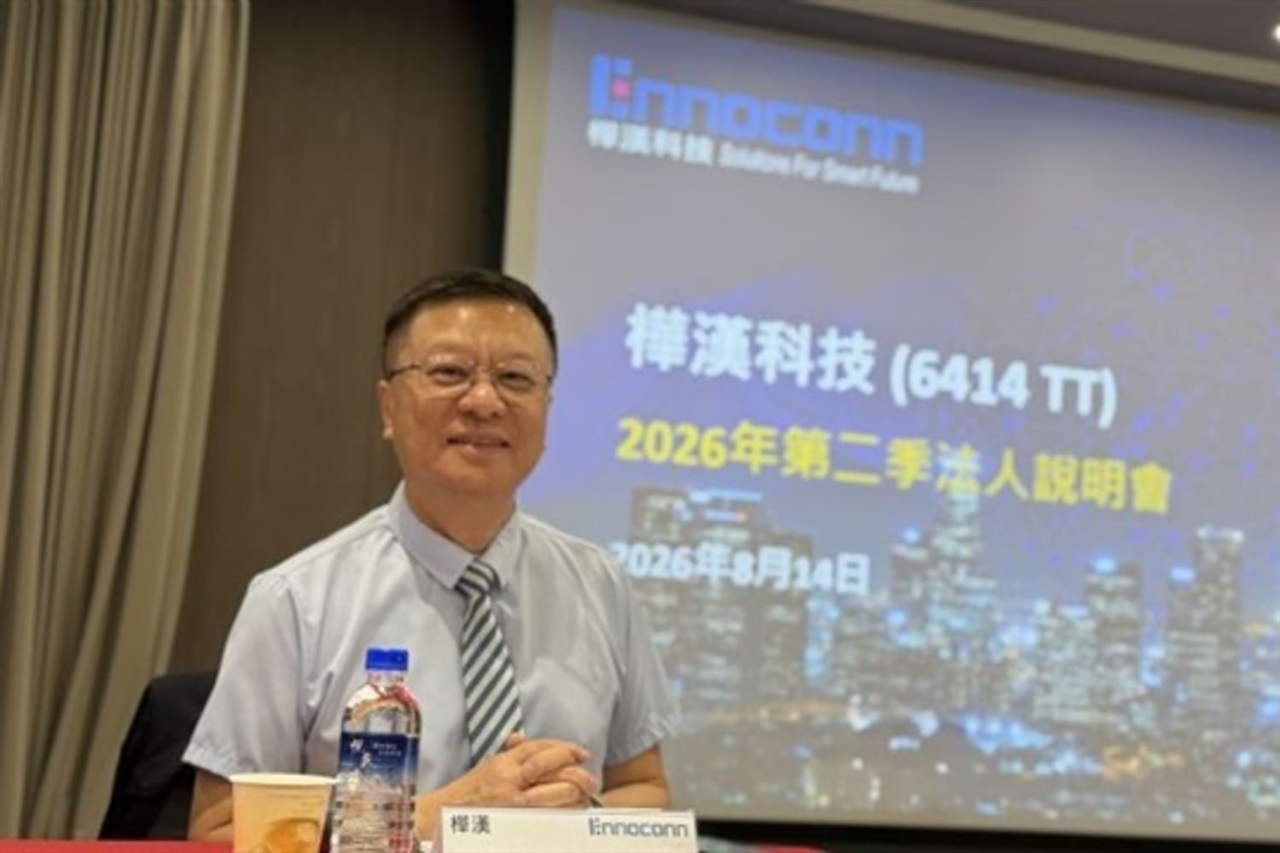
Ennoconn, the Foxconn-affiliated industrial computer maker, reported August growth across all three of its units and closed its tender offer for Germany's Kontron AG, lifting its stake to about 48.36%. The headline number is the deal; the real signal is where industrial compute is heading.
Two demand drivers stand out. First, "Physical AI" — the shift of inference from cloud data centers to the factory floor, the warehouse, and the robot arm — is turning ruggedized edge boxes into a growth market rather than a commodity. Second, semiconductor fab construction is a compounding tailwind, since every new high-tech line needs dense industrial-control and monitoring hardware before it ever ships a wafer. Ennoconn is positioning to sell into both cycles at once.
The Kontron move is the strategic core. Nearing control of a leading European embedded-computing name gives a Taiwan-centric supplier a credible foothold in EU industrial accounts, local support, and design-in relationships that are hard to win from Asia. Expect consolidation to accelerate: as AI moves to the edge, scale in industrial hardware plus regional presence becomes a moat, and mid-sized independents become acquisition targets.
For Japan, this is a competitive wake-up call. Japanese factory-automation and industrial-PC vendors have deep installed bases in domestic manufacturing, but a Foxconn-backed group combining Taiwanese cost structure with European reach can undercut them on both price and geographic coverage. The defensible ground is integration — tying edge hardware to control systems, safety standards, and line-specific know-how that a hardware maker alone cannot replicate.
SIers and local dev teams should read Physical AI as the next phase beyond screen-based RPA. The automation opportunity is migrating from software bots reconciling spreadsheets to vision, sensor, and robotics workloads running on the plant floor. Japanese integrators that build muscle in edge-model deployment, OT/IT convergence, and predictive-maintenance pipelines can capture margin as this hardware wave lands; those that stay in pure back-office RPA risk being commoditized. The buyers of these industrial platforms are increasingly regional champions, so partnership and procurement strategies deserve a rethink now, not after the buildout peaks.