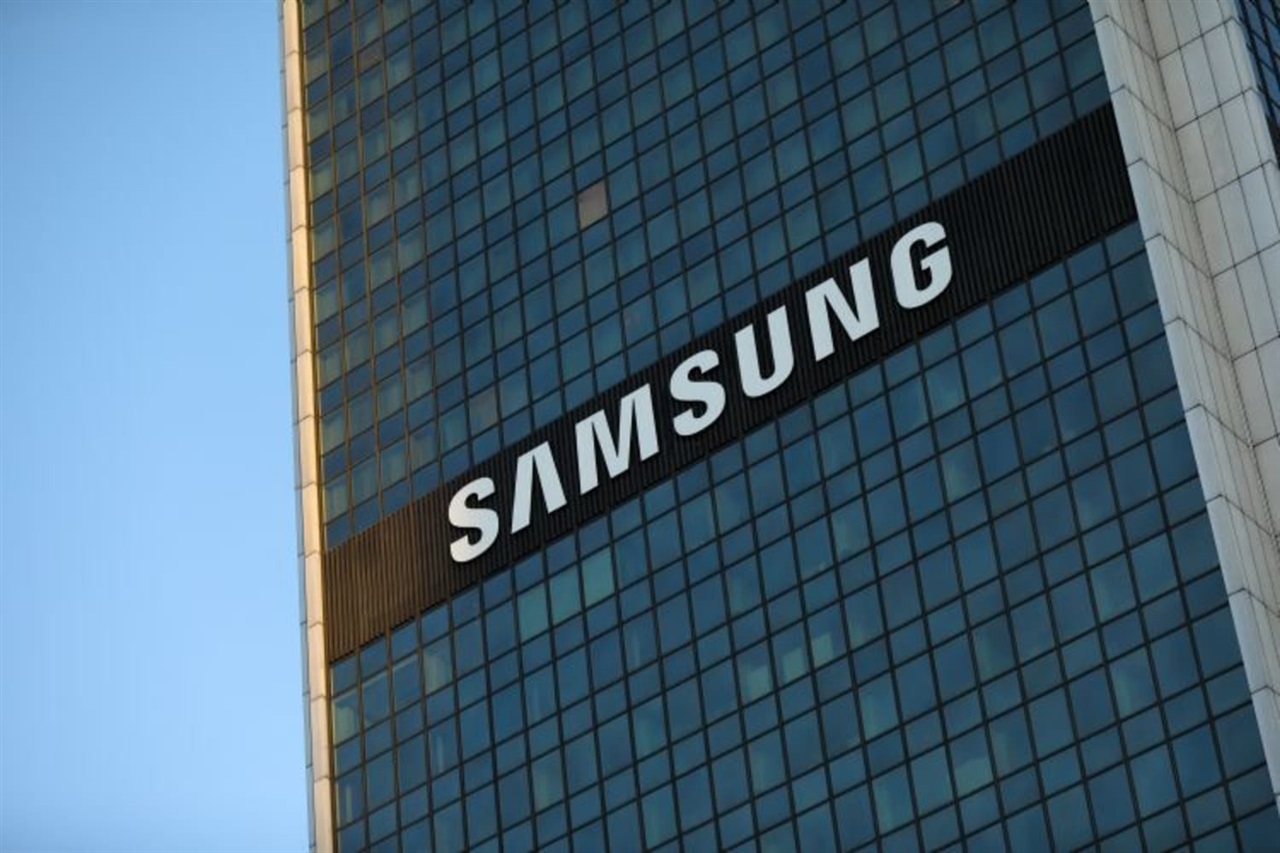
A ~60% yield on SF2 is a credible foothold, not a coronation. The number matters less than the strategic pivot it enables: once yield clears the threshold where wafer economics stop bleeding, engineering attention moves to power efficiency and performance-per-watt. That shift tells you where Samsung thinks the war is actually won. In an AI datacenter world where every marginal watt translates into cooling cost, rack density, and total cost of ownership, a foundry that delivers slightly worse peak clocks but materially better efficiency can win designs that pure yield charts would never predict.
The global read is that leading-edge foundry has quietly bifurcated. TSMC still owns the trust premium and the volume flywheel, and prospective 2nm anchor customers will demand efficiency parity before committing high-margin silicon. Samsung's opening is not to beat TSMC head-on but to be the credible second source that hyperscalers and merchant chip designers need to avoid single-vendor lock-in. Diversification pressure is now a procurement mandate, not a nice-to-have, and that structural demand is Samsung's best asset regardless of where its yield lands next quarter.
The strategic risk is timing. Yield and efficiency both improve on a curve, and TSMC is not standing still. If Samsung's efficiency gains arrive a node-generation late, the addressable customers will have already committed elsewhere. The window to convert a 60% yield into marquee logins is measured in quarters, not years.
For Japan, this reshapes the calculus around Rapidus and the domestic 2nm ambition more than it does immediate procurement. Rapidus is targeting the same efficiency-first, low-volume, high-mix segment Samsung is now leaning into, which means Samsung's progress raises the bar Rapidus must clear to justify its Hokkaido buildout and IBM-derived process. A viable Samsung SF2 shrinks the strategic gap Rapidus was meant to fill, and Japanese policymakers underwriting that bet should treat this as a signal to sharpen the differentiation thesis.
For Japanese fabless designers and the equipment and materials supply chain — the Tokyo Electron, Shin-Etsu, JSR layer — a genuinely competitive two-horse leading-edge race is unambiguously good. It sustains capex across two customers, hedges against TSMC concentration, and keeps Japanese tool and materials makers embedded at both fabs. For enterprise IT buyers and SIers, the practical takeaway is downstream: efficiency-led silicon eventually lowers the power envelope of AI inference hardware, which over the next few years should ease the datacenter energy and cooling constraints that currently cap on-premise and colocation AI deployments in Japan's power-tight market.