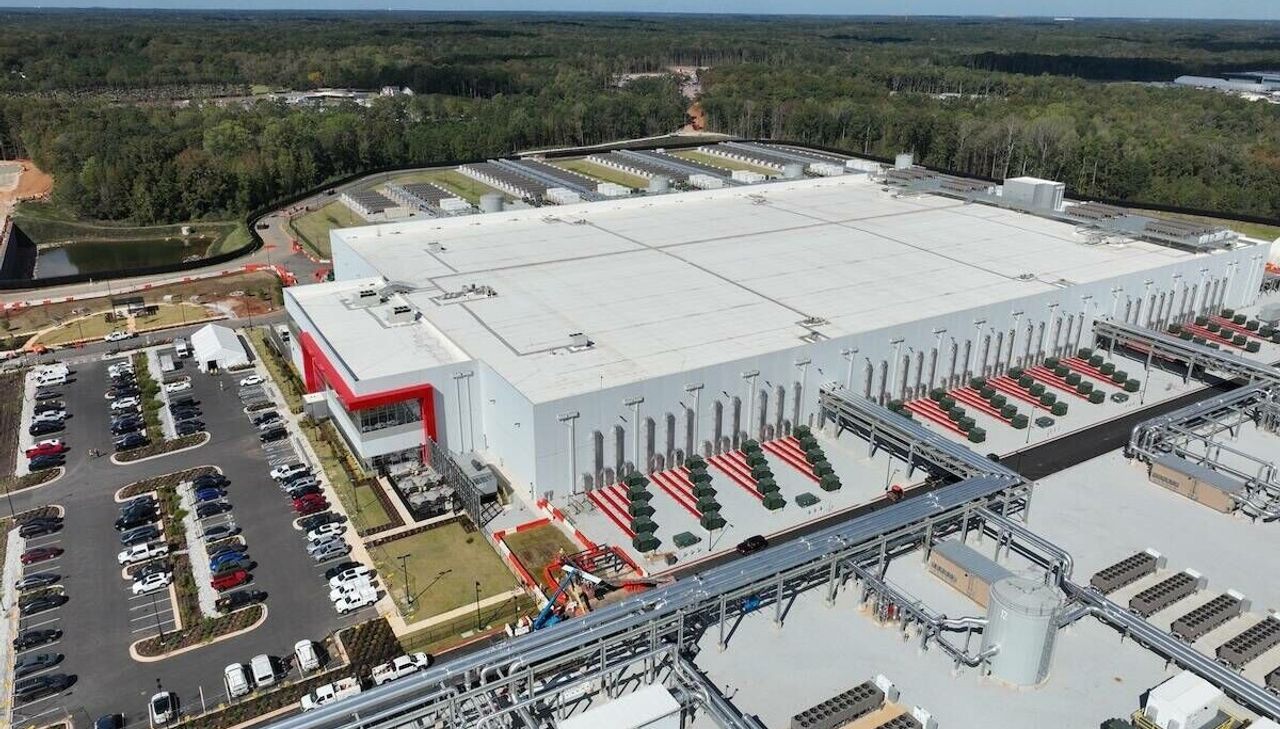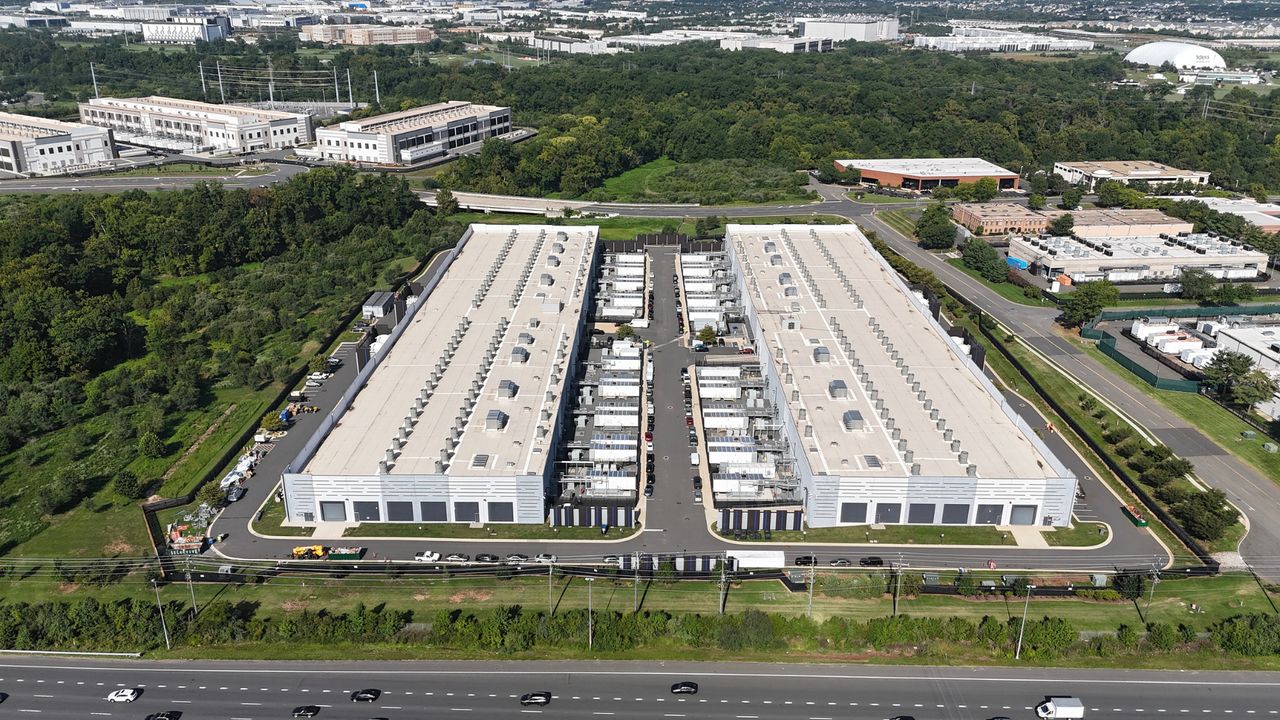
The projection framing AI data center investment at $32 trillion through 2050—larger than the capital that built railways, electrification, or the internet—is less notable for its size than for what it implies about the shape of the spend.
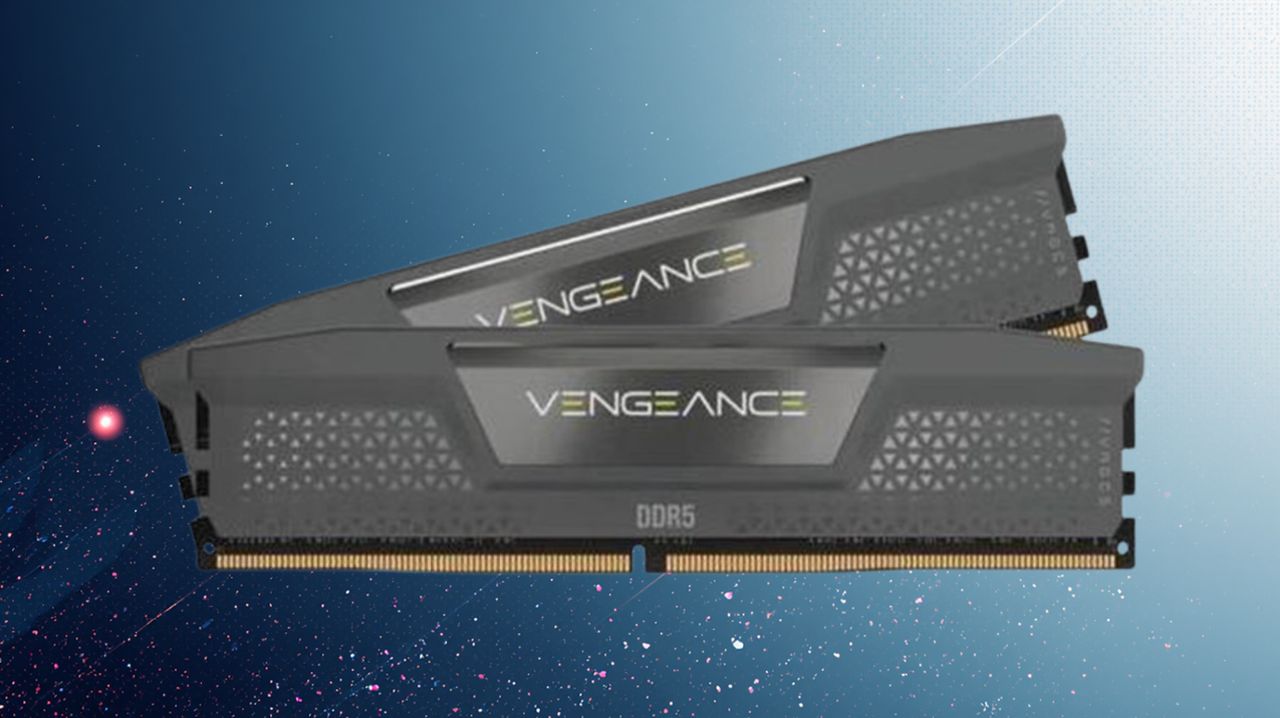
The defining feature is that this is not amortizable infrastructure in the classic sense. Railways and power grids were laid once and depreciated over decades. AI data centers rely on GPUs and accelerators that operators expect to replace every four to six years as new silicon lands. That converts a headline capex figure into a recurring treadmill: a structural obligation to keep spending just to stay level, with each cycle exposed to compute price-performance shifts and chip supply concentration. For investors, the risk is that the productivity payoff arrives slower than the refresh clock demands—precisely the anxiety a soft AI-chip guidance from a bellwether supplier can trigger. Returns must compound faster than depreciation, or the model strains.
Two other constraints tighten the frame. Power procurement is becoming the true gating factor, with operators locking multi-hundred-megawatt energy deals ahead of demand. And the refresh cadence concentrates pricing power in a handful of accelerator and packaging suppliers, leaving buyers with limited leverage against the next upgrade cycle.
For Japan, the strategic question is whether to own this treadmill or rent access to it. Domestic hyperscale capacity remains thin relative to the US, and the recurring-capex profile makes wholesale self-build a punishing bet for most Japanese enterprises. The more defensible posture is consumption-based access—reserved capacity, sovereign-cloud arrangements, and energy-linked contracts—rather than balance-sheet ownership of depreciating GPUs.
For SIers, this reshapes the value proposition. The margin is no longer in procuring and racking hardware; it is in workload placement, cost governance across refresh cycles, and helping clients avoid overcommitting to compute that ages in half a decade. RPA and dev teams should treat AI compute as a metered utility with volatile unit economics, architecting for portability across providers and model generations rather than betting on any single vendor's roadmap. The firms that win will be those that turn capex discipline into a service.