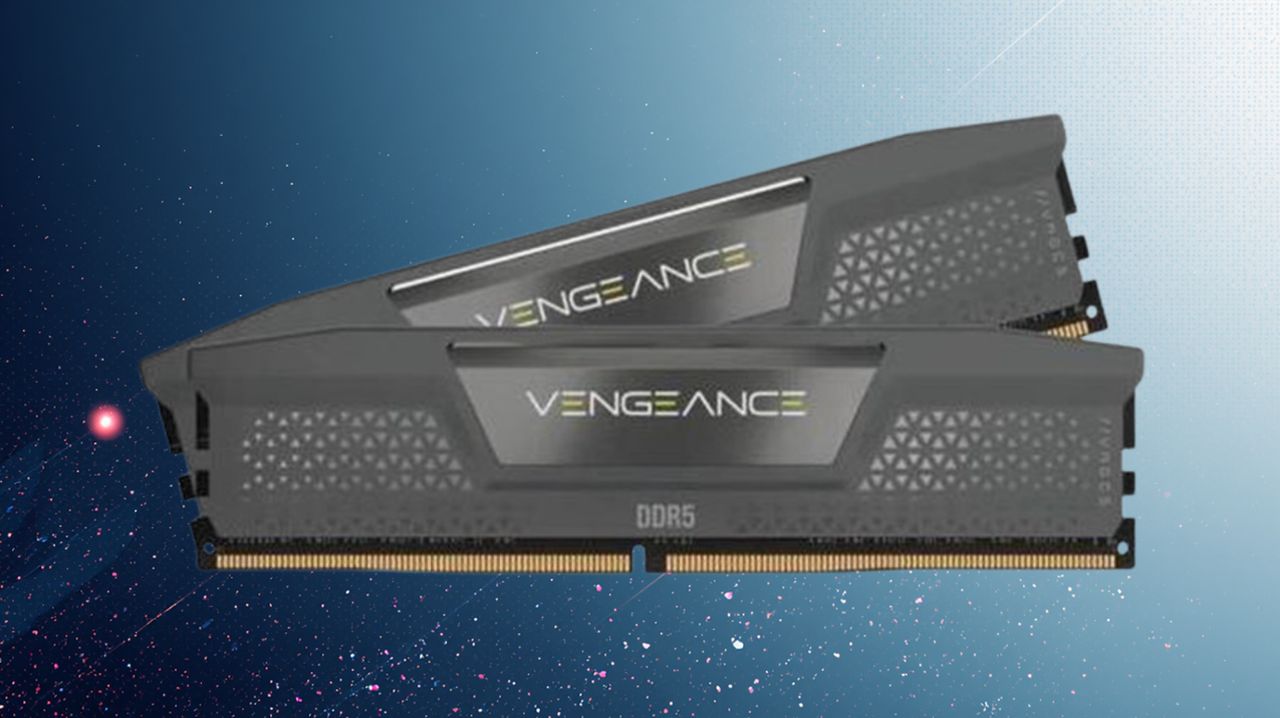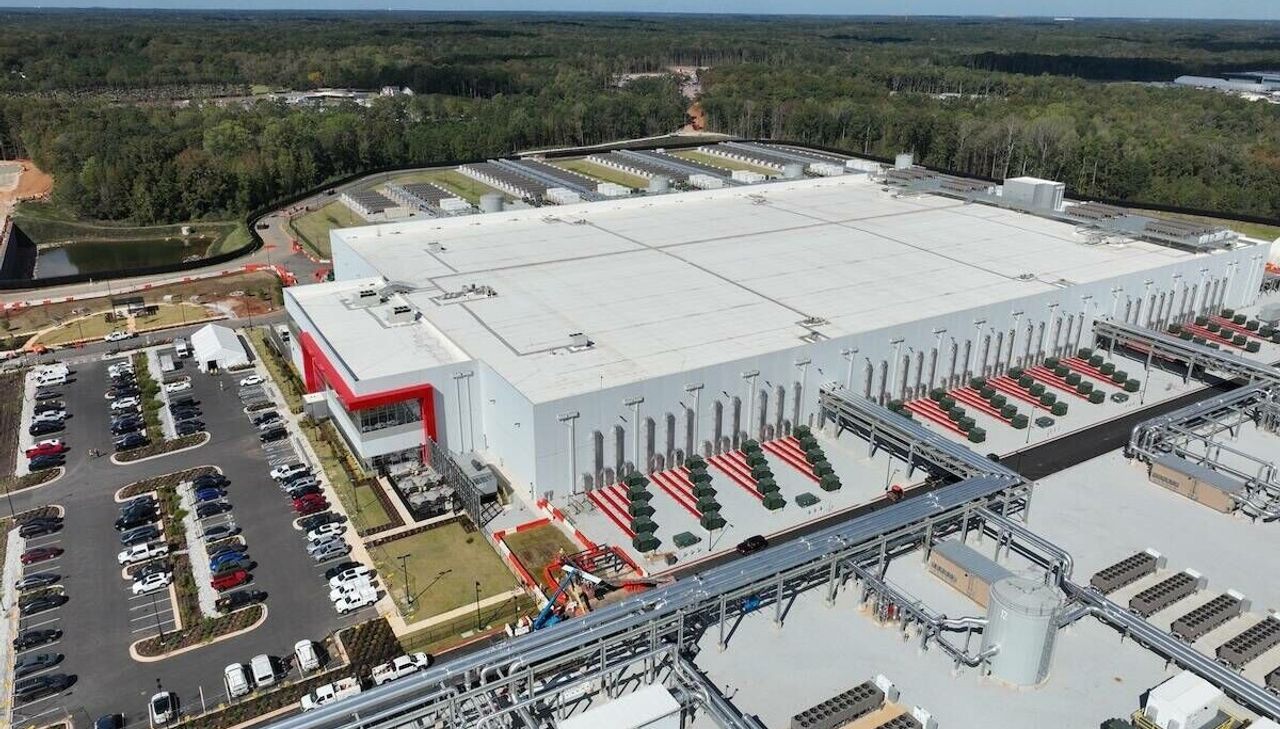
The physics are unforgiving. Once a rack crosses roughly 250 kilowatts, the old 70/30 split of liquid to air stops working, because the residual 30 percent becomes a 75-kilowatt air load that no reasonable fan system can move without absurd cost and footprint. The industry response is near-total liquid heat capture: air drops below one percent of the load, servers run fanless, and the humble processor coldplate expands into a whole-server loop covering memory, networking, storage, and power delivery. That last point is the real story. Heat has escaped the chip, and components that always rode comfortably on air now demand their own thermal path.
Globally, this reorders the datacenter supply chain. Cooling is no longer a facilities line item bolted on after the servers arrive; it becomes a board-level design constraint that dictates component selection, mounting, and serviceability. Operators chasing frontier-model capacity face a hard fork: retrofit existing halls for high-density liquid loops, or accept that air-cooled floorspace is now stranded capacity. Expect cooling vendors, coldplate specialists, and coolant-distribution players to capture value that once sat with server OEMs, and expect procurement cycles to lengthen as thermal validation moves upstream into design.
For Japan, the timing is awkward and opportune in equal measure. Much of the domestic datacenter base in the Tokyo and Osaka corridors was built for air cooling at densities an order of magnitude below what AI training now requires. Retrofitting for liquid means plumbing, leak management, and floor-load engineering that most existing sites were never specified for, which favors greenfield builds and pressures operators betting on incremental upgrades.
Japanese SIers should read this as a shift in where AI-infrastructure margin lives. The integration challenge is no longer just racking and networking; it is coolant routing, connection reliability, and rack-integration time, all of which become billable engineering competence. Firms that build liquid-cooling deployment expertise now can position as the trusted layer between hyperscale-grade hardware and enterprise operators wary of running water through server rooms.
There is also a component upside. Japan retains genuine strength in precision thermal parts, vapor chambers, heat pipes, and materials, and a market where every peripheral needs a matched thermal solution rewards exactly that specialization. The risk is treating this as a niche premium play through 2028 rather than the mainstream baseline it is becoming. Operators and their SI partners who plan for fanless-by-default racks will be building for where AI compute is heading, not where it has been.