Civo has outlined an aggressive UK build-out: 40 edge datacenters, a first Hertfordshire site slated for next March running Nvidia's Vera Rubin systems, and a longer-term one-gigawatt ambition. Stripped of the announcement gloss, this is a bet that sovereign AI will be won at the edge, not only in hyperscale megacampuses.
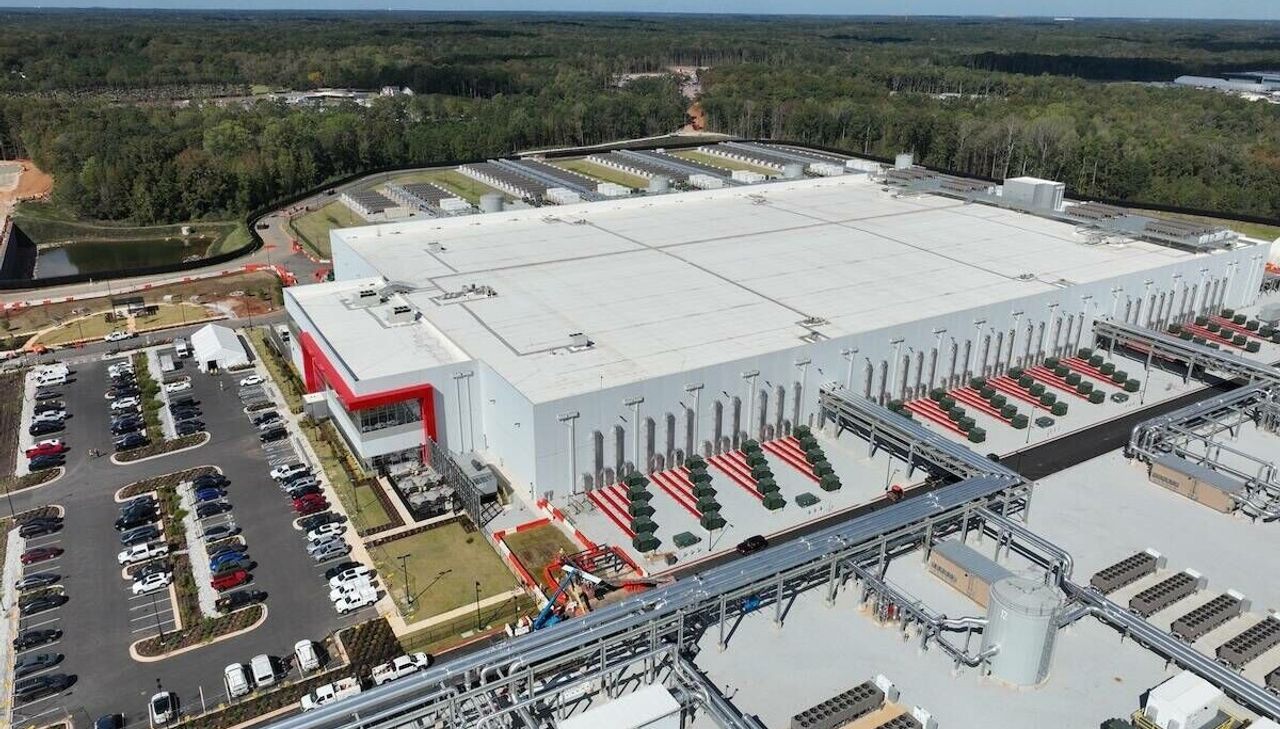
The strategic tension worth watching is architectural. The dominant global playbook—mirrored in Tata's gigawatt project in India and Nscale's Anthropic-scale capacity deals—concentrates compute in a few enormous sites optimized for training. Civo is wagering on the opposite geometry: many smaller nodes positioned close to demand, tuned for inference, data-residency compliance, and latency. If enterprise AI value migrates toward inference and regulated workloads, distributed footprints become a genuine differentiator rather than a niche. But 40 sites also multiply operational overhead, power-procurement complexity, and financing risk, and the 1GW figure remains an ambition, not committed capacity. The persistent constraint across all these plans is identical—grid power and Nvidia allocation—and no clever topology escapes it.
For Japan, the sovereignty framing lands directly on an unresolved policy debate. Tokyo's GENIAC program and government-cloud push share Civo's premise: national AI capability requires domestically controlled compute. Yet Japan's binding constraint is starker than Britain's—grid capacity, land, and cooling in a power-import-dependent economy. A distributed edge model may actually suit Japan better than gigawatt monoliths, spreading load across regional grids rather than overwhelming single substations.
For Japanese SIers—Fujitsu, NEC, NTT Data—the read is opportunity with a catch. Sovereign, compliance-bound AI infrastructure is exactly the systems-integration and managed-operations work they excel at, and edge topologies favor the on-site delivery muscle they already own. The catch is that Nvidia dependency and hyperscaler partnerships still dictate the underlying economics, leaving integrators as orchestrators rather than owners of the value.
For local development and RPA teams, the practical signal is that low-latency, in-country inference capacity is becoming a procurement reality. That reshapes what is buildable domestically—shifting the question from whether sensitive AI workloads can stay onshore to which vendor's distributed fabric to standardize on.