Sonix Technology expects consumer IC and MCU sales to grow into late 2026, but warns memory shortages will pinch imaging shipments as AI demand squeezes foundry and packaging capacity, leaving MCUs undersupplied.
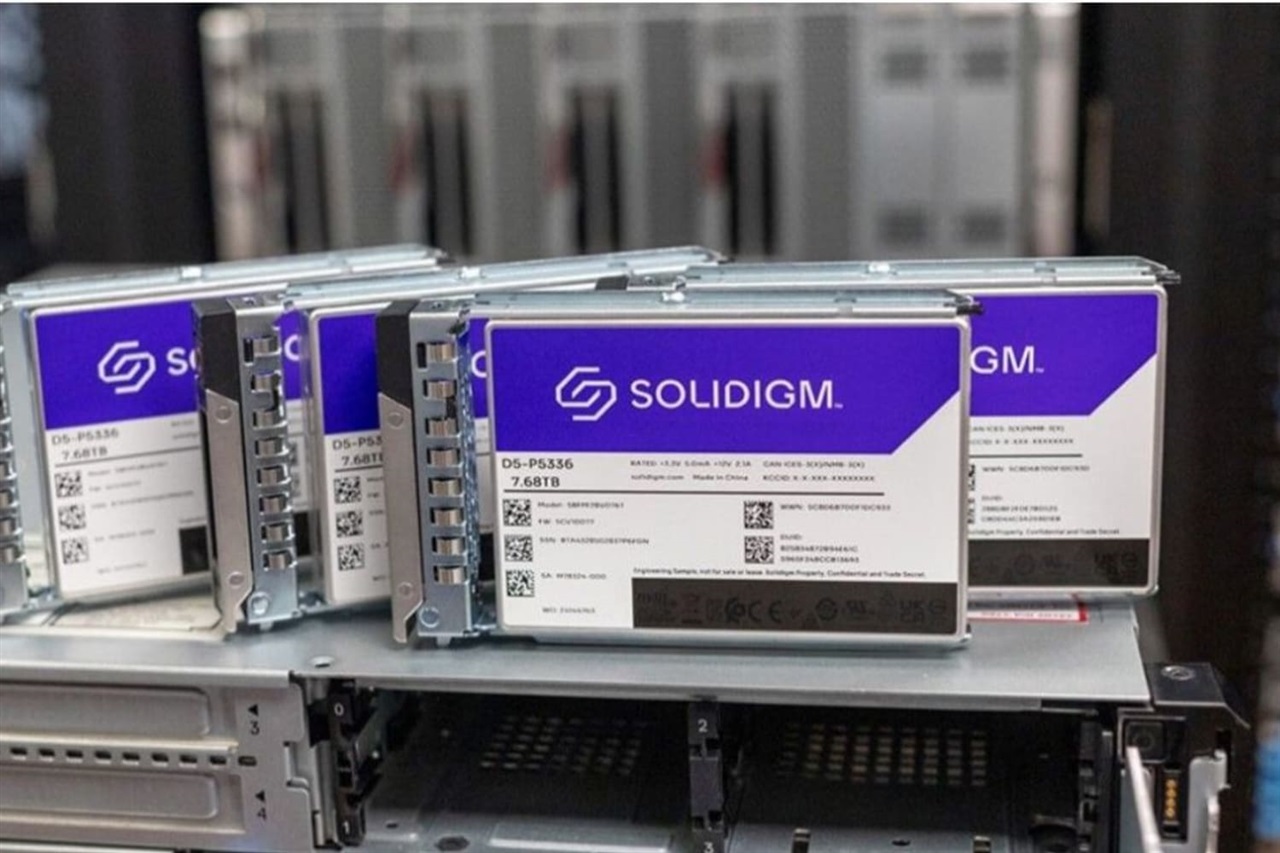
The more important signal sits underneath that guidance: AI is now the gravitational center of the entire supply chain, and it is bending capacity away from everything else. HBM and advanced-node logic command premium allocation, so foundries and OSAT houses steer scarce tooling and test capacity toward high-margin AI parts. The casualty is the unglamorous middle of the market — 8-bit and 32-bit MCUs, image sensors, and commodity memory — the silicon that quietly runs cars, appliances, factory lines and cameras. A shortage here is less visible than a GPU crunch but arguably broader in impact, because these chips gate physical products rather than datacenter racks.
Globally, this reshapes procurement logic. The 2021-22 shortage taught buyers to hoard; the 2026 version rewards those who secured long-term foundry commitments and multi-sourced at the memory layer. Expect BOM inflation on embedded products, longer design-in cycles, and a premium on firmware efficiency that lets older nodes stretch further. Companies treating supply as a design constraint — not just a purchasing problem — will hold margin.
For Japan, the exposure is concentrated and material. Automakers and their tier-one suppliers remain MCU-heavy, and domestic players like Renesas sit directly in this squeeze both as buyers and sellers. Industrial-automation and imaging vendors — a Japanese strength — face the sharpest risk if sensor and memory allocation tightens further.
For Japanese SIers and enterprise dev teams, the lesson is that AI transformation is no longer purely a software or cloud exercise. IoT, edge, factory-DX and smart-camera projects now carry hardware lead-time risk that can derail delivery schedules. SIers should build component-availability checks into project planning, favor architectures that tolerate chip substitution, and push more logic to software and cloud where physical silicon is the bottleneck. The teams that treat supply volatility as a design input, rather than a surprise, will keep their DX roadmaps on schedule.