The headline event is modest on paper: a semiconductor memory startup, TeRAM, is led by Charlie Cheng, a four-decade veteran of microprocessor and memory design who previously worked on multiple generations of Meta's MTIA accelerators and ran the memory-IP firm Kilopass. But the pedigree is the signal. When engineers who built hyperscaler AI silicon migrate toward memory ventures, it reflects where the industry now believes the hard problems live.
For most of the AI buildout, the narrative has centered on GPUs and raw compute. The quieter truth is that memory bandwidth and capacity increasingly determine how fast a model actually runs. Large inference and training workloads spend enormous energy shuttling data between processor and memory, and that data movement — not arithmetic — is often the binding constraint. This is why high-bandwidth memory has become the scarcest, most margin-rich part of the accelerator stack, and why founders with AI-accelerator scars are now attacking the memory layer directly. The strategic implication for buyers is that future performance-per-dollar gains will come less from faster cores and more from rethinking how memory is organized around the processor.
For investors, the takeaway is that the AI hardware value chain is broadening beyond the obvious names. Capital that once chased compute is fanning out into memory architecture, packaging, and interconnect. Cheng's move underscores that early-stage memory bets are becoming a credible category rather than a niche, precisely because the incumbents cannot fully absorb demand for specialized, AI-optimized memory.
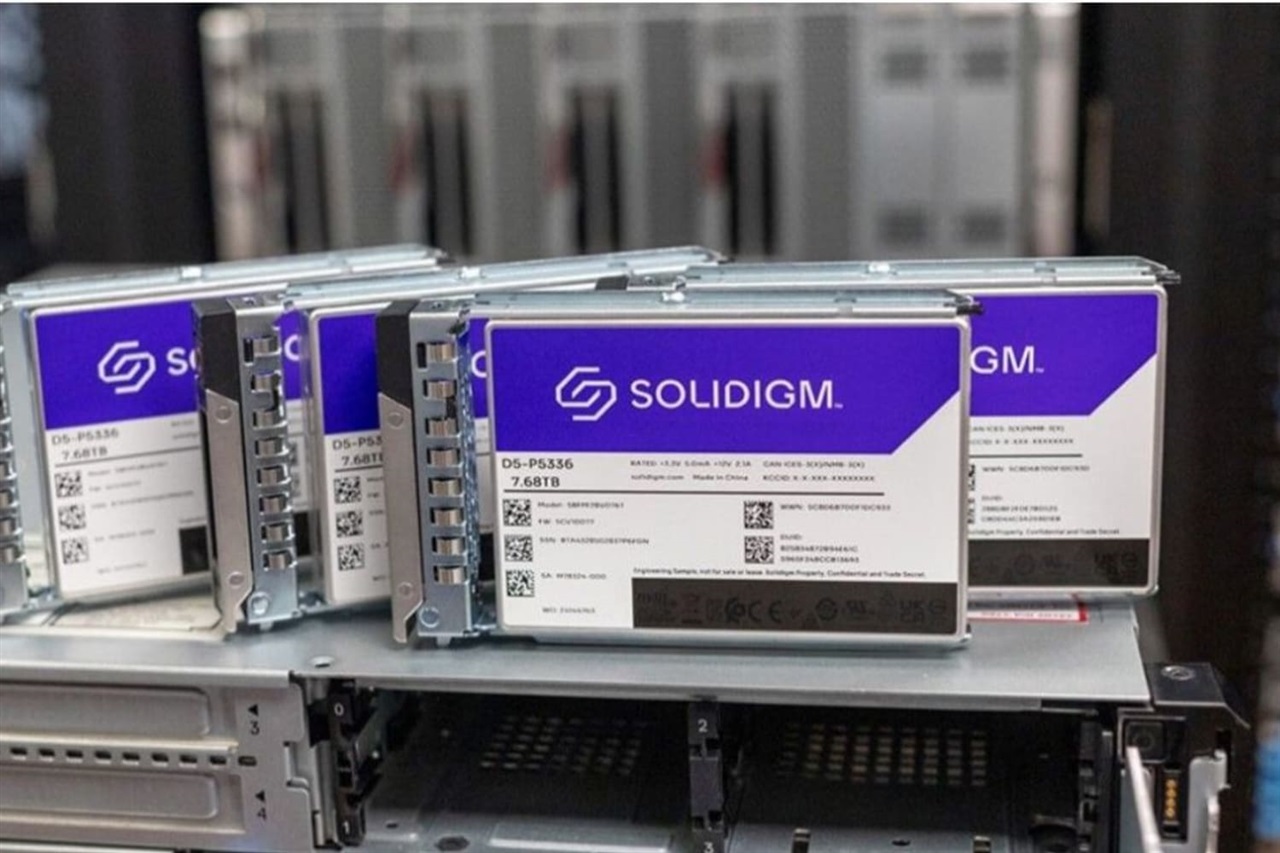
For Japan, this is unusually close to home. Japan retains genuine strength across the memory ecosystem — Kioxia in NAND, and a materials and equipment base spanning wafer, deposition, and test that underpins global memory production. A renewed strategic premium on memory plays to those assets rather than the logic-fabrication race Japan largely ceded. The opportunity for Japanese suppliers and materials firms is to position as indispensable enablers of the next memory generation, capturing value even without owning the chip brand. The risk is treating memory as a mature commodity and missing the architectural shift now underway.
For Japanese SIers and enterprise development teams, the practical lesson is procurement literacy. As AI infrastructure decisions move in-house, teams evaluating on-prem inference clusters or cloud instance types should weight memory bandwidth and capacity, not just GPU count, when sizing workloads. The organizations that understand the memory bottleneck early will design more cost-efficient AI systems than those still optimizing for headline compute specs.