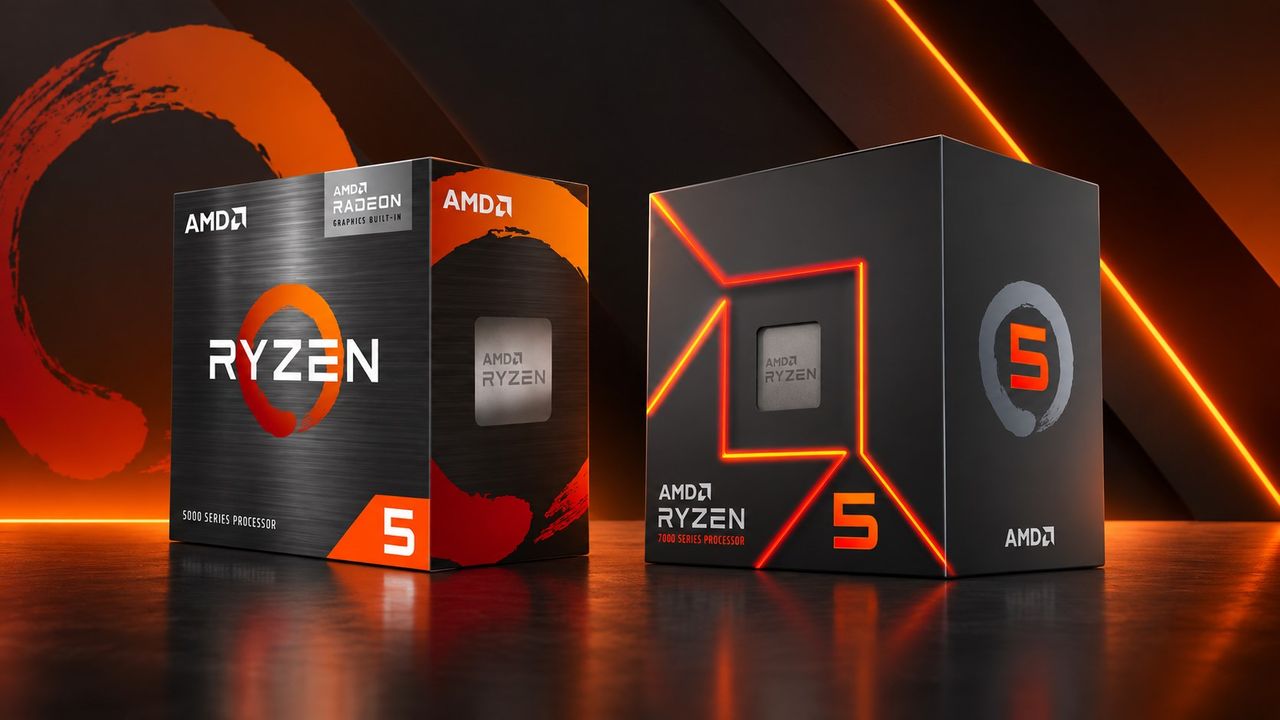
AMD has fixed suggested pricing for two mainstream desktop parts: the Zen 4-based Ryzen 5 7500 at $189 on the AM5 platform, and the Zen 3-based Ryzen 5 5500F at $99 on the older AM4 socket. The dual-track move is more interesting than the numbers suggest.
Globally, this is a segmentation play, not a performance headline. By keeping AM4 alive years after its supposed sunset, AMD is monetizing a massive installed base of motherboards and coolers, letting cost-sensitive buyers upgrade a CPU without rebuilding an entire system. The $99 tier is a defensive perimeter against low-end Intel Core and against the temptation to skip the desktop entirely for a laptop or handheld. Meanwhile the $189 AM5 chip anchors the entry point to AMD's current-generation ecosystem, nudging buyers toward DDR5 and a platform with a longer upgrade runway. The strategic logic is retention: capture users cheaply now, then sell them GPUs, higher-tier chips, and future sockets later. For a company pouring capital into data-center and AI silicon, a healthy consumer volume base still funds R&D and keeps OEM relationships warm.
For Japan, the read is specific. The domestic self-build and BTO market—served by shops in Akihabara and Nipponbashi and chains like the large BTO vendors—remains unusually price-elastic, and a weak yen has inflated import CPU prices for two years. A $99 AM4 refresh path is genuinely meaningful here, because it lets Japanese enthusiasts and small offices extend hardware they already own rather than absorb full-system cost increases at unfavorable exchange rates. Expect BTO makers to feature the 5500F in aggressive entry-level configurations for students and home users.
For Japanese SIers and corporate IT, the signal is subtler. Enterprise desktop procurement runs through vendor fleets, not DIY parts, so these SKUs rarely enter the picture directly. But the persistence of cheap, capable CPUs pressures the assumption that aging Windows fleets must be wholesale-replaced; it strengthens the case for targeted component upgrades and longer refresh cycles, which affects how integrators price hardware-refresh and Windows migration projects. RPA and local dev teams gain a quieter benefit: cheap multi-core desktops make solid, low-cost build agents, test runners, and RPA execution hosts, trimming the per-node cost of on-prem automation estates.
The caution is expectation-setting. These are value parts, not workstation upgrades; positioning them as productivity leaps would overstate the case. The durable story is that AMD is defending the floor of the PC market while its strategic attention sits firmly in AI and the data center.