CXMT's public willingness to court "top-tier" customers is a thinly veiled acknowledgment of talks with Apple. The strategic read is straightforward: this is a negotiating instrument, not a supply decision. Apple procures memory in a tight oligopoly where three suppliers set the terms, and DRAM pricing has been climbing on AI-driven HBM demand that pulls capacity away from mobile and PC chips. Introducing a credible fourth bidder, even one Apple may never buy from at scale, resets the leverage math in every pricing cycle.
The cost side is geopolitical. Washington has been treating a potential CXMT tie-up as a bargaining chip, which means Apple is trading commercial leverage for political exposure. A Chinese DRAM vendor still faces export-control uncertainty and the risk of ending up on a restricted list, so any real design-in carries continuity risk. The likely outcome is a calibrated posture: enough engagement to move negotiations, not enough to build genuine dependence. That is a pattern the entire industry now studies, because it shows how hyperscale buyers weaponize supplier diversification without fully committing to it.
For incumbents, the signal matters more than the volume. Micron, Samsung and SK hynix have priced in scarcity; a validated Chinese alternative at the low end compresses that premium over time and accelerates the commoditization of legacy DRAM nodes, even as the high-margin action shifts to HBM.
For Japan, the exposure runs through Kioxia and the broader materials and equipment base. Kioxia sits in NAND rather than DRAM, but a CXMT that graduates from a bargaining prop to a real Apple supplier validates China's memory ramp and pressures Japanese players on the commodity tiers where price, not differentiation, decides. Tokyo's semiconductor bet, from Rapidus to materials leaders like Shin-Etsu, JSR and Tokyo Electron, assumes value migrates up the stack to advanced logic and packaging. A rising CXMT reinforces why that bet is correct: competing on standard memory against subsidized Chinese capacity is a losing lane.
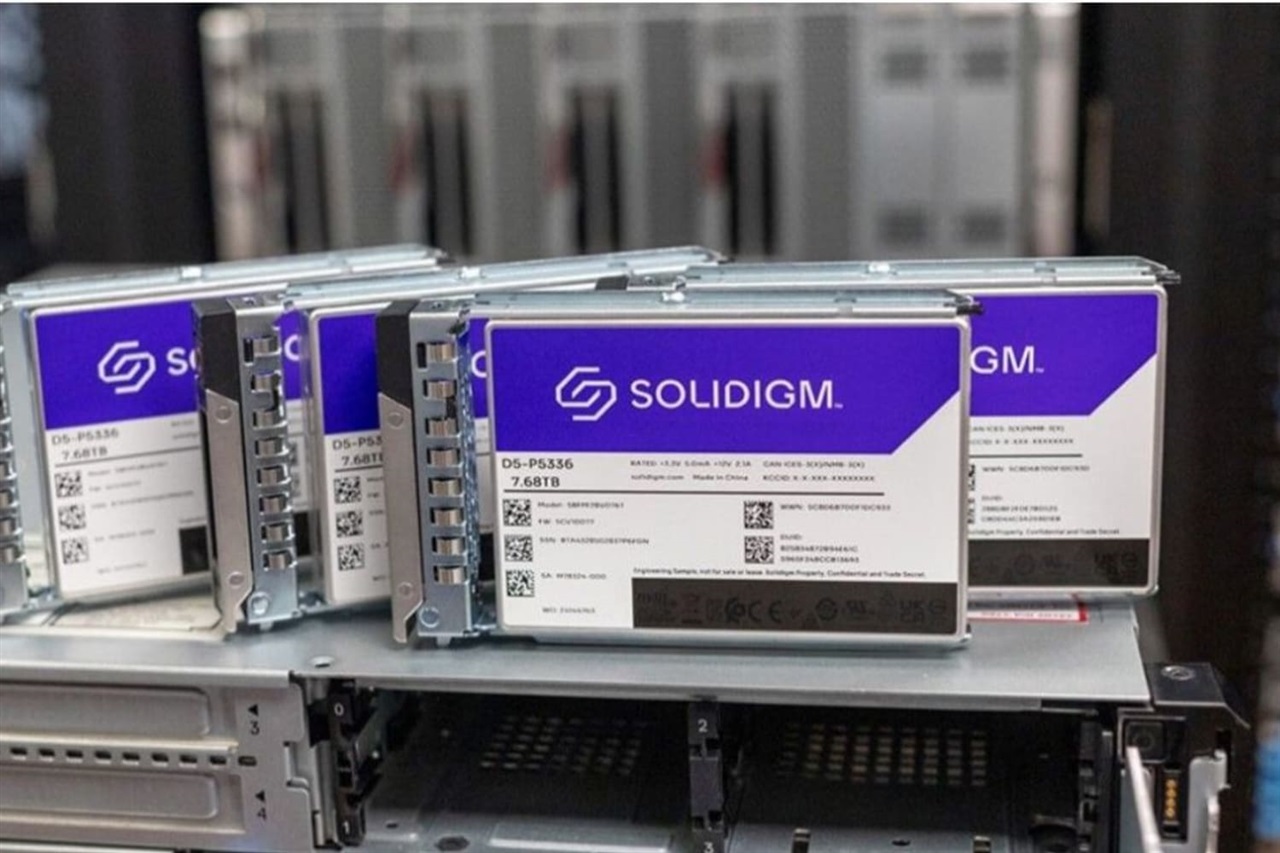
Japanese SIers and enterprise buyers should treat this as a procurement-planning input, not a headline. If DRAM and SSD pricing softens as Chinese supply expands, hardware refresh budgets ease, but concentration and geopolitical risk in the memory supply chain grow. The practical move is dual-sourcing discipline and contract terms that anticipate export-control shocks, rather than betting on any single vendor's political durability.