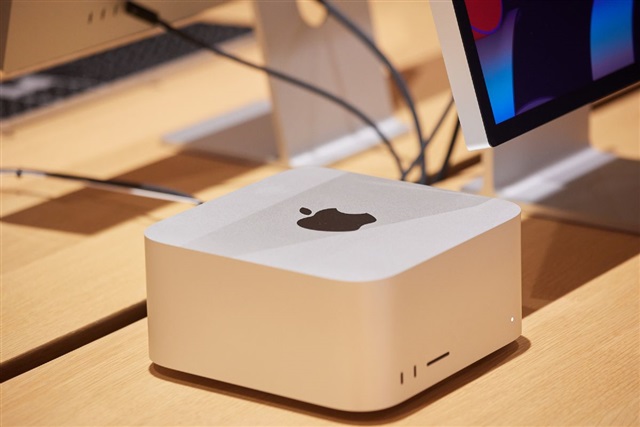
Apple quietly introduced the M6, its first chip built on TSMC's 2nm process, debuting in a new Mac mini alongside an M5 Ultra, with no launch event.
The silence is the strategy. Apple did not put 2nm in a flagship iPhone or a high-margin MacBook Pro first, and that choice tells you everything about where the node actually is. The Mac mini is a low-volume, thermally generous, price-tolerant vehicle, the ideal place to burn down defect density and mature packaging before committing to iPhone-scale runs where a yield miss costs billions. Treat M6 less as a product and more as a paid pilot line: Apple is buying learning, not headroom. The commercial upside comes later, once the process is boring.
Globally, this resets the queue. Apple is again TSMC's node pipe-cleaner, and every quarter it spends de-risking gate-all-around transistors is a quarter Nvidia, AMD, and Qualcomm wait behind it for meaningful 2nm allocation. With wafer costs climbing and only one credible high-volume 2nm supplier, TSMC's pricing power hardens and design starts concentrate among firms that can absorb the mask and tape-out bills. The competitive gap isn't just who has the best architecture, but who gets to the front of a single foundry's line.
For Japan, the leverage is upstream, not in fabrication. TSMC's Kumamoto (JASM) fabs run mature nodes, but every advanced 2nm wafer pulls a heavier bill of Japanese content: photoresists, high-purity chemicals, silicon substrates, and deposition and etch tooling from suppliers like Tokyo Electron, Screen, Shin-Etsu, and JSR. As nodes shrink, process steps multiply, and that quietly raises the Japanese revenue captured per wafer. Apple validating 2nm at volume is a demand signal that flows straight into these order books.
The sharper read is for Rapidus. Japan's Hokkaido 2nm venture is chasing a 2027 target, and a shipping Apple 2nm product compresses the window it has to prove yield and win logic customers before the market treats 2nm as commodity-adjacent. For domestic enterprises and the SIers serving them, the direct impact is modest, but procurement teams standardizing on Apple silicon for developer fleets should plan multi-year refresh cycles around a node roadmap that is now clearly TSMC-anchored, with supply concentration risk to match.