AWS and Nvidia will deploy roughly two million additional GPUs across AWS data centers in 2027-2028, widening their partnership to cover CPUs, networking, open models, data processing, and robotics.
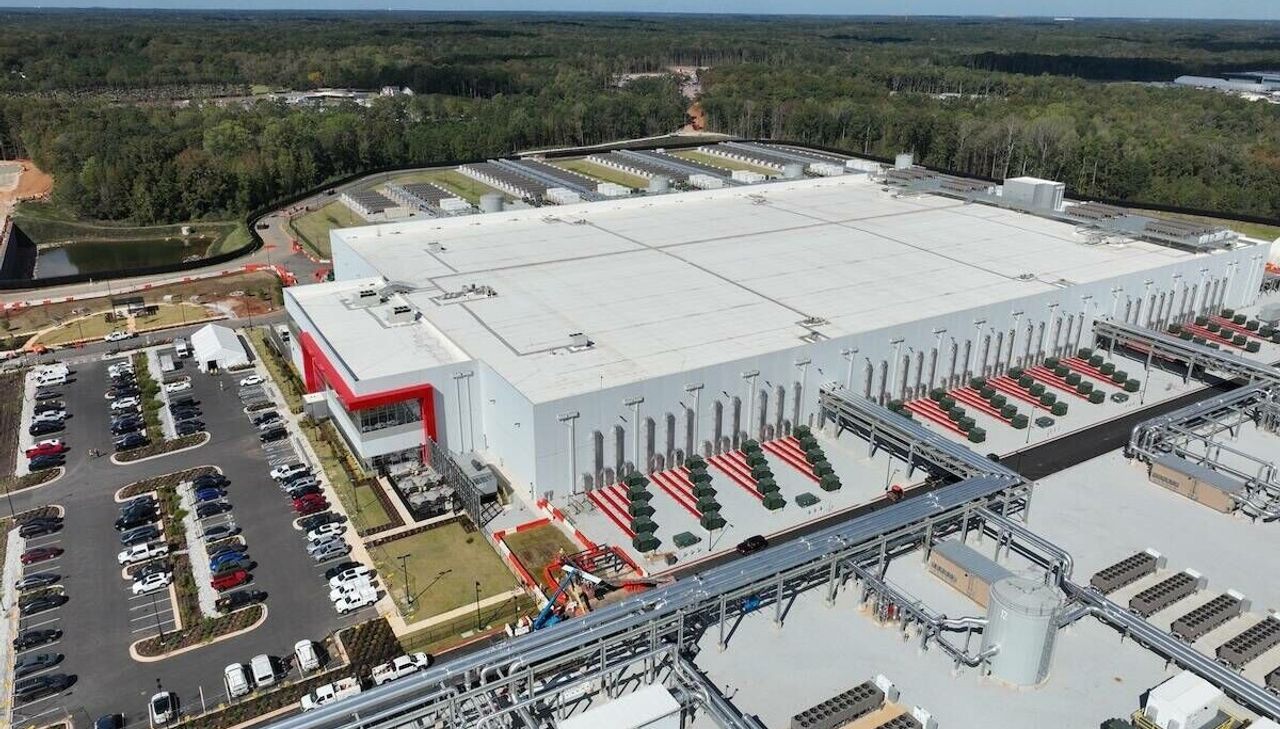
The headline number matters less than the timeline. Committing capacity two to three years out is a bet that AI demand is structural, not a bubble that pops after the current training cycle. It also reveals where the real bottleneck sits: not chip design, but the physical stack around it, power contracts, land, cooling, and networking fabric that take years to build. Nvidia locking a hyperscaler into multi-year offtake protects its demand base against any single customer's in-house silicon ambitions, while AWS gets supply certainty as Microsoft and Google chase the same allocation. The quieter signal is diversification beyond training: the inclusion of robotics and data processing suggests both firms expect inference and physical-world automation to absorb the next wave of compute, not just larger frontier models.
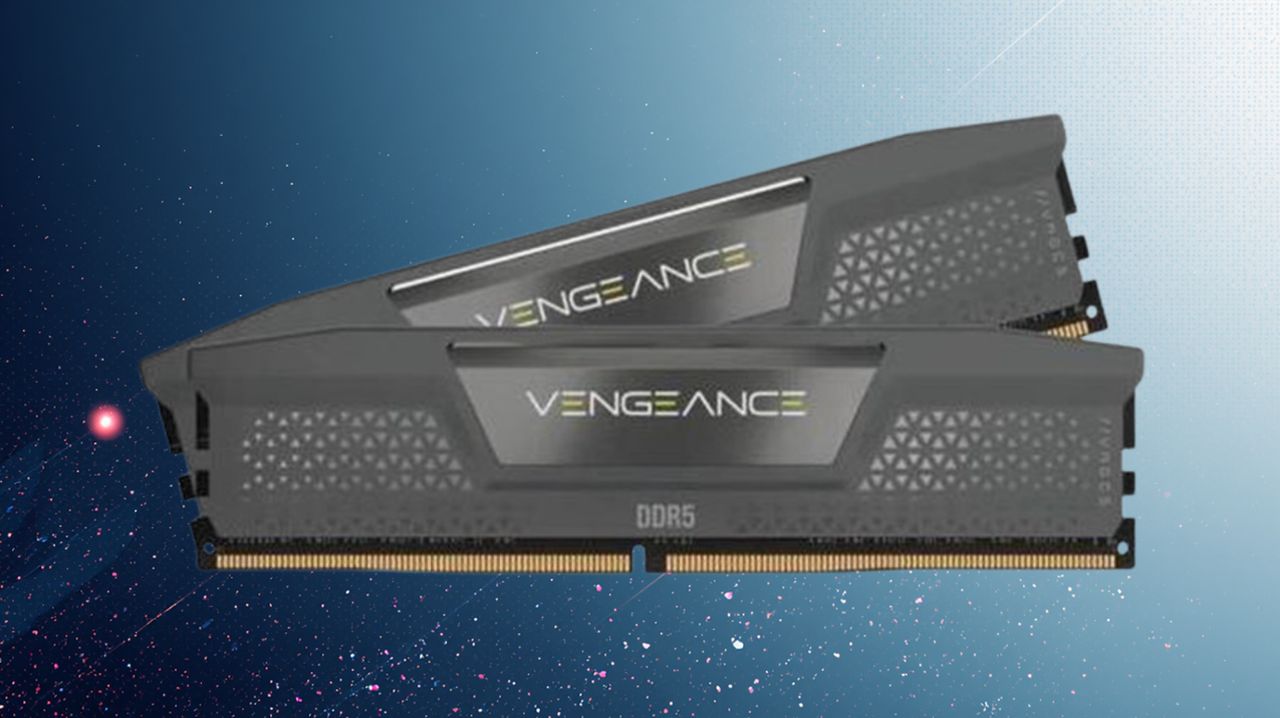
The risk is concentration. When two vendors define the reference architecture for AI infrastructure, pricing power and roadmap control drift away from customers. Enterprises that standardize entirely on this stack inherit lock-in they cannot easily unwind, and the memory and power supply chains feeding these builds become systemic pressure points for everyone else.
For Japan, this reshapes the calculus for enterprises and SIers alike. Domestic firms rarely secure priority GPU allocation, so the practical path to frontier-scale compute runs through hyperscaler regions, and this commitment effectively pre-books much of that capacity for large global buyers. Japanese enterprises planning AI workloads for 2027 onward should assume tighter availability and firmer pricing, and negotiate reserved capacity earlier than instinct suggests.
For SIers such as NTT Data, NRI, and Fujitsu, the opportunity is not competing on raw compute but on the integration layer above it: connecting reserved cloud GPU capacity to legacy on-premise systems, governance, and Japanese-language data pipelines. The robotics and data-processing angle is especially relevant given Japan's manufacturing base and labor shortages, where physical automation has clearer ROI than another chatbot. RPA vendors and local dev teams should read this as confirmation that the value is migrating from scripted automation toward agent-driven, compute-backed workflows, and plan reskilling accordingly rather than defending shrinking rule-based territory.