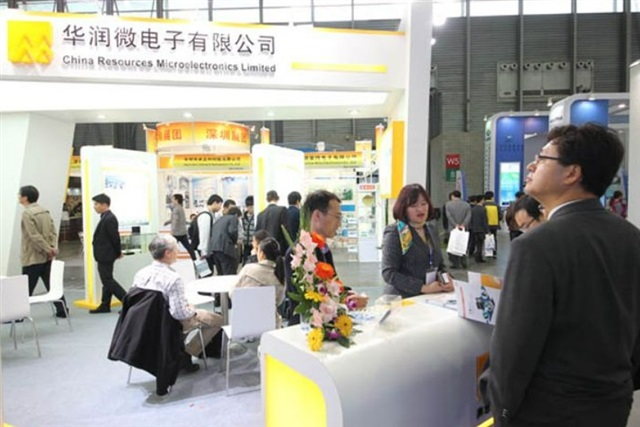
China Resources Microelectronics and Silan reported sharp first-half 2026 profit gains, with firmer demand, higher utilisation and a richer product mix lifting earnings across their power-device lines.
The headline number matters less than what it confirms: China's domestic power-semiconductor build-out has crossed from subsidy-fed capacity into genuine profitability. Power chips — IGBTs, MOSFETs and increasingly silicon carbide — are the unglamorous backbone of EVs, industrial motors, solar inverters and grid infrastructure. Unlike leading-edge logic, they don't require EUV lithography, so export controls offer Western and Japanese incumbents almost no moat here. When Chinese IDMs run their fabs hot and improve yields, the immediate global effect is a structural downshift in pricing power for everyone selling into the same sockets.
The strategic risk is a repeat of the solar and LED playbook: rapid domestic scale, aggressive utilisation, then export of surplus at prices that compress margins industry-wide. For now demand is firm enough to lift all boats, but the moment automotive and industrial cycles soften, mid-tier power devices become a volume war. Buyers — especially EV and renewables OEMs — quietly welcome a second supply base and will use it as negotiating leverage against Western and Japanese vendors.
For Japan this is the most direct competitive front in semiconductors. Rohm, Mitsubishi Electric, Fuji Electric, Toshiba and Renesas have bet heavily on power devices, particularly SiC, as their answer to being locked out of leading-edge logic. That thesis assumed a durable technology and quality lead over Chinese rivals. Profitable Chinese IDMs shorten that runway in silicon power products and put pressure on the SiC premium before those investments have fully paid back. The strategic response is to move up the value stack — automotive-grade reliability, module and packaging integration, and design-in partnerships that are hard to commoditise — rather than defend commodity discrete volumes.
For Japanese SIers and enterprise buyers the effect is indirect but real. Power-electronics cost curves feed straight into EV, factory-automation and energy-transition project economics. Cheaper, adequate-quality Chinese devices lower the bill of materials for local system integrators building industrial and mobility platforms, but also raise procurement and geopolitical-risk questions. Sourcing strategies that assumed Japanese domestic supply as the default now need an explicit second-source and compliance framework, because the low-cost option increasingly wears a Chinese label.