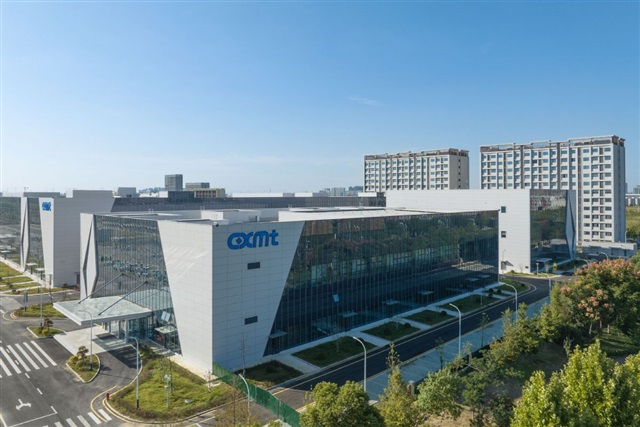
A former Samsung researcher's testimony that CXMT intended from the outset to build DRAM on Samsung process data cuts directly against the origin story China's memory champion told investors ahead of its Shanghai listing. The gap between courtroom account and prospectus is the real story here, and it matters far beyond one company.
The strategic signal is that CXMT's rise may rest on contested foundations. If regulators and litigants in Korea and the US treat the 18nm-class recipe transfer as established fact, CXMT faces a widening perimeter of exposure: patent suits, potential Entity List tightening, and reluctance among tier-one customers wary of tainted IP. That reframes the commercial picture Hanwha Securities sketches, where CXMT captures 11.3% of DRAM market growth in 2026 before momentum collapses to 6.9% by 2027. A firm whose edge depends on borrowed process knowledge struggles to sustain a roadmap once the well of external data runs dry and node transitions demand original engineering. Reported interest from buyers like Apple only raises the stakes, since large Western customers cannot afford IP contamination in their supply base.
The deeper implication for the industry is that memory is becoming a geopolitical instrument. Every allegation of process-recipe theft hardens the case for export controls on advanced DRAM tooling and accelerates the bifurcation of the memory market into a China-domestic tier and a trusted-supplier tier led by Samsung, SK hynix, and Micron.
For Japan, the exposure is indirect but real. The country no longer fields a merchant DRAM maker, yet its position sits upstream and downstream of this fight. Equipment and materials suppliers such as Tokyo Electron, Screen, Advantest, Shin-Etsu, and JSR sell into both trusted and Chinese fabs, so any expansion of controls forces them to model revenue at risk and compliance overhead. Kioxia, DRAM-light and NAND-focused, gains little insulation if trade friction spreads across memory categories.
For Japanese enterprises, SIers, and procurement teams, the practical takeaway is planning around a structurally less stable memory supply. Server, RPA-host, and AI-infrastructure refresh cycles should assume price volatility and the possibility that low-cost Chinese DRAM carries legal and reputational baggage that data-sensitive clients will reject. SIers advising regulated sectors should treat supplier provenance as a due-diligence line item, not a footnote, and build dual-sourcing assumptions into multi-year hardware roadmaps.