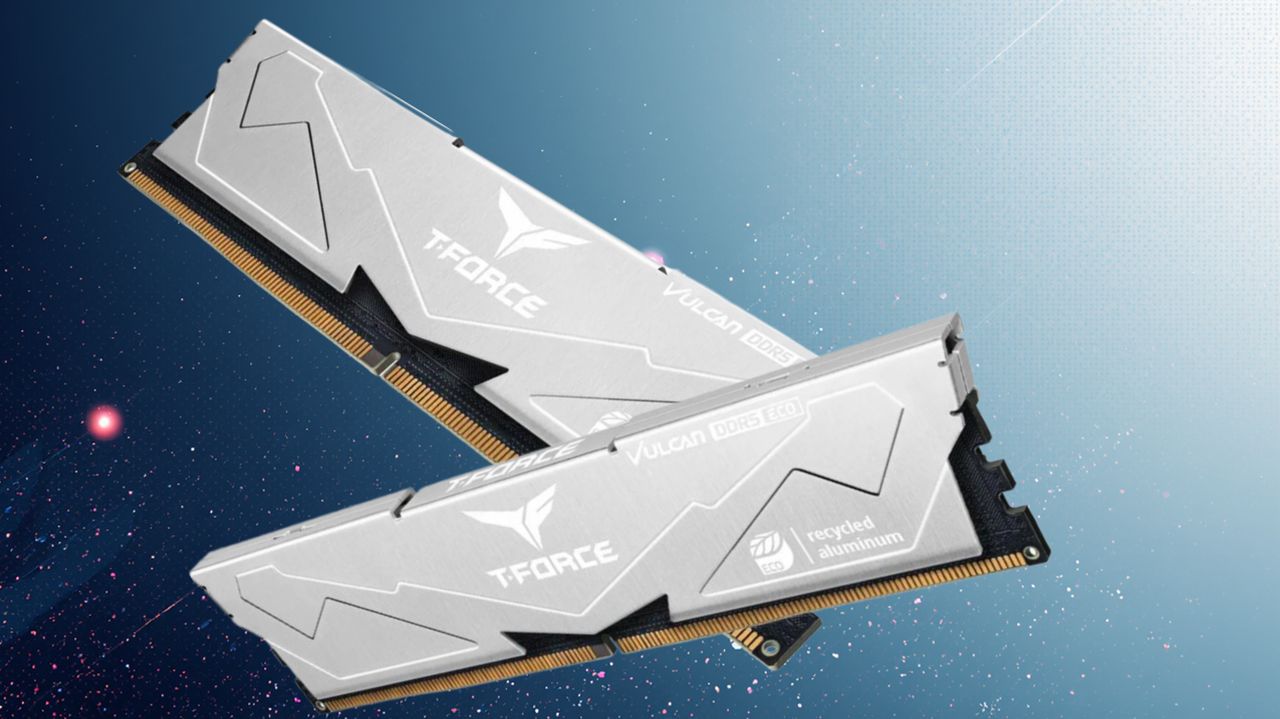
The underlying fact is small: a 32GB Team Group DDR5-6400 kit slipped to $405 via a promo code, making it one of the cheaper high-speed kits currently available. The signal is large. When $405 for 32GB counts as a deal, the reference point has moved, and it has moved because AI is eating the memory supply chain from the top down.
DRAM makers are steering wafer capacity toward HBM and high-density server DIMMs, where AI datacenter buyers pay premiums and sign long contracts. That leaves consumer and mainstream DDR5 as the residual, and residual supply is where prices spike first. The result is a two-tier market: hyperscalers lock in capacity years out, while everyone downstream absorbs volatility. Expect elevated pricing to persist into the next capacity cycle rather than correcting quickly, because fab retooling and HBM prioritization are multi-quarter decisions, not spot-market adjustments.
For buyers, this reframes procurement. Memory is no longer a commodity you defer; it is a budget line exposed to AI-driven scarcity. PC builders, workstation buyers, and on-prem server refreshes all now compete indirectly with frontier-model training clusters for the same silicon.
For the Japanese market, the exposure is concrete. Japanese PC and server assemblers, plus the SIers who spec hardware for enterprise clients, face component inflation that most fixed-price integration contracts never anticipated. An SIer that bid a data-center refresh or a VDI rollout at last year's memory prices now eats the delta or renegotiates, and neither is comfortable. RPA and on-prem automation projects that assumed cheap, abundant RAM for parallel workloads will see infrastructure costs creep. Kioxia sits on the NAND side rather than DRAM, so Japan lacks a domestic DRAM champion to cushion the squeeze, leaving buyers dependent on Samsung, SK Hynix, and Micron allocations.
The practical move for Japanese enterprises and their integration partners is to treat memory as a hedged input: lock pricing early, build component escalation clauses into contracts, and reassess whether on-prem builds still beat cloud for memory-heavy workloads when the hardware bill of materials keeps climbing.