A weekly reader roundup surfaced three signals worth separating from the noise: DRAM contract prices climbing 60% in Q2, Kioxia publicly dismissing consolidation talk with SK Hynix, and continued momentum in specialty players like EnSilica and IQE. Each points to the same structural story.
The global read is that memory has flipped from oversupply glut to disciplined scarcity. A price move of that magnitude in a single quarter is not demand froth alone; it reflects suppliers holding capacity discipline while AI datacenter buildouts pull HBM and high-end DRAM out of the general pool. When leading-edge fabs prioritize AI memory, commodity DRAM tightens as a second-order effect. For hyperscalers and OEMs, this compresses margins and forces earlier, larger procurement commitments. The specialty design and epitaxy names benefit because differentiated silicon becomes a hedge against commodity volatility.
Kioxia's refusal to entertain a Hynix combination is the more strategic tell. Staying independent signals confidence that NAND economics are turning and that a Japanese-anchored supply base carries geopolitical value of its own. In a market where memory has become an instrument of industrial policy, a domestically controlled leader is an asset governments and customers will pay to preserve.
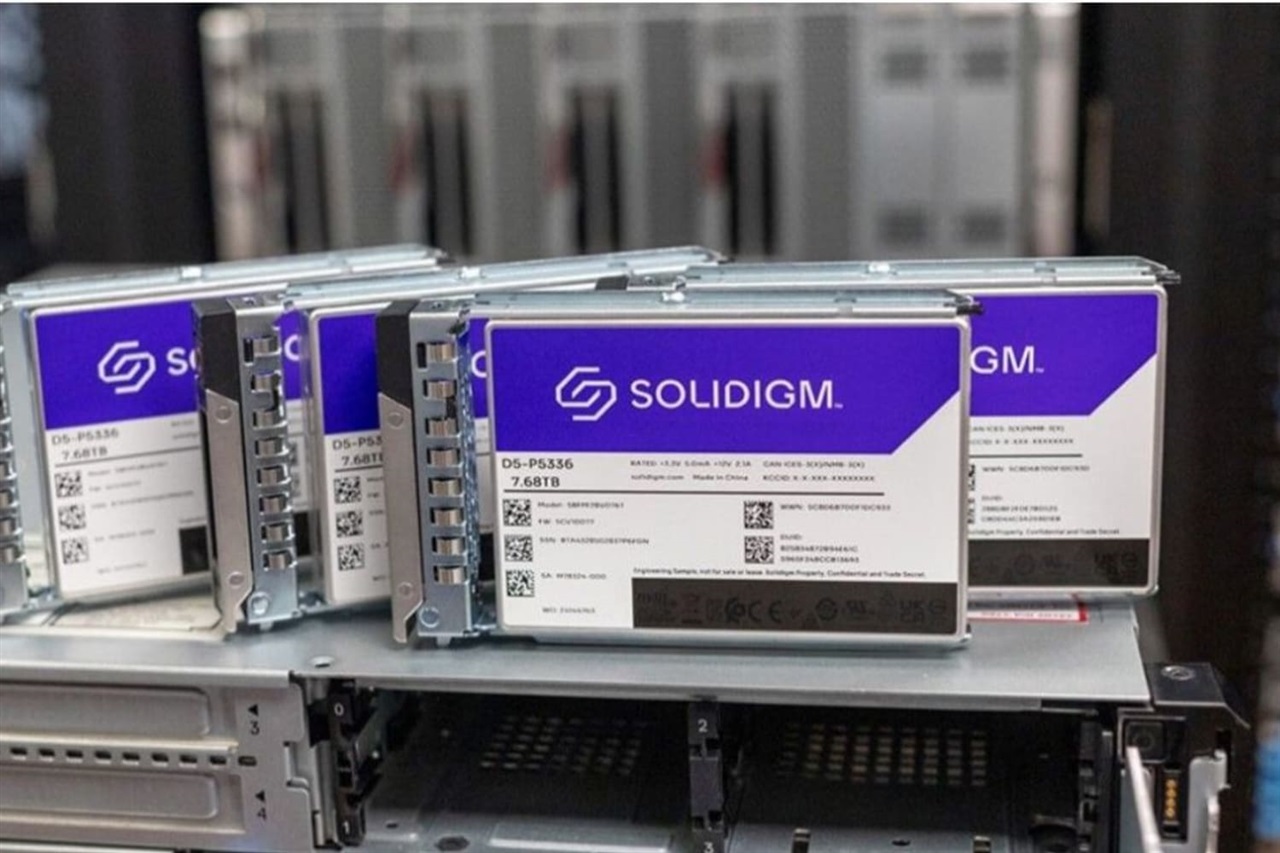
For Japanese enterprises and SIers, the near-term pain is procurement math. Server, storage, and edge-device costs embed memory pricing, and a 60% contract swing flows straight into hardware refresh budgets and cloud infrastructure quotes. SIers pricing multi-year system integration deals should revisit hardware assumptions now, before margin erosion shows up mid-project. Fixed-price contracts signed on last year's component costs are the exposure to watch.
There is an upside for Japan's positioning. A confident, standalone Kioxia strengthens the case that Japan's semiconductor revival is not just about attracting foreign fabs but about defending homegrown memory leadership. For local development teams and hardware startups, tighter, pricier memory shifts the optimization premium back toward efficient software and lean data architectures. Teams that treat memory as a scarce, expensive resource, rather than assuming cheap abundance, will build systems that age better through the cycle.