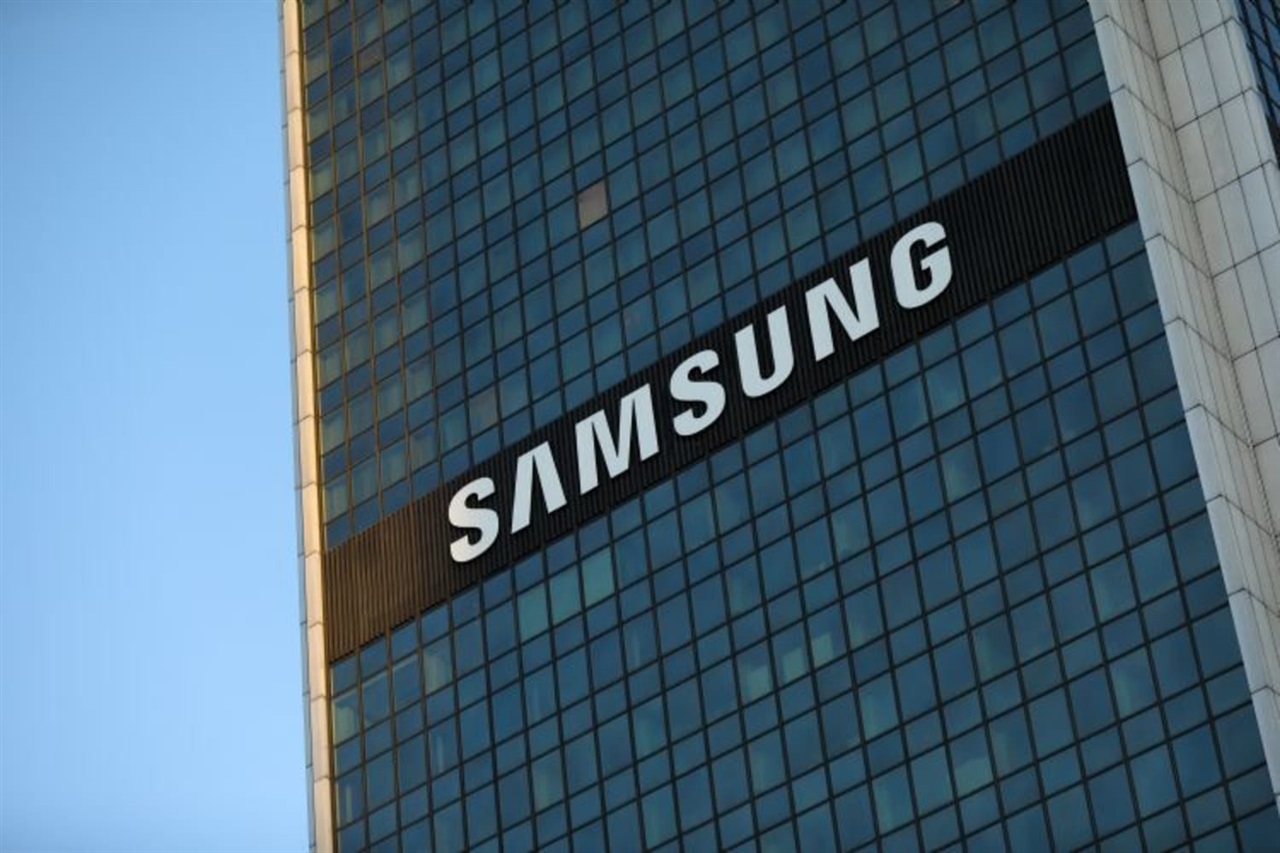
The headline number matters less than who wrote the checks. Euclyd, a Dutch startup building AI chips and full racks, closed a €200M Series A backed by Samsung and chaired by former ASML CEO Peter Wennink. That pairing is the story: Europe's most credible semiconductor operator plus a Korean memory-and-foundry giant, both betting that the unit of competition in AI infrastructure is no longer the accelerator but the integrated rack.
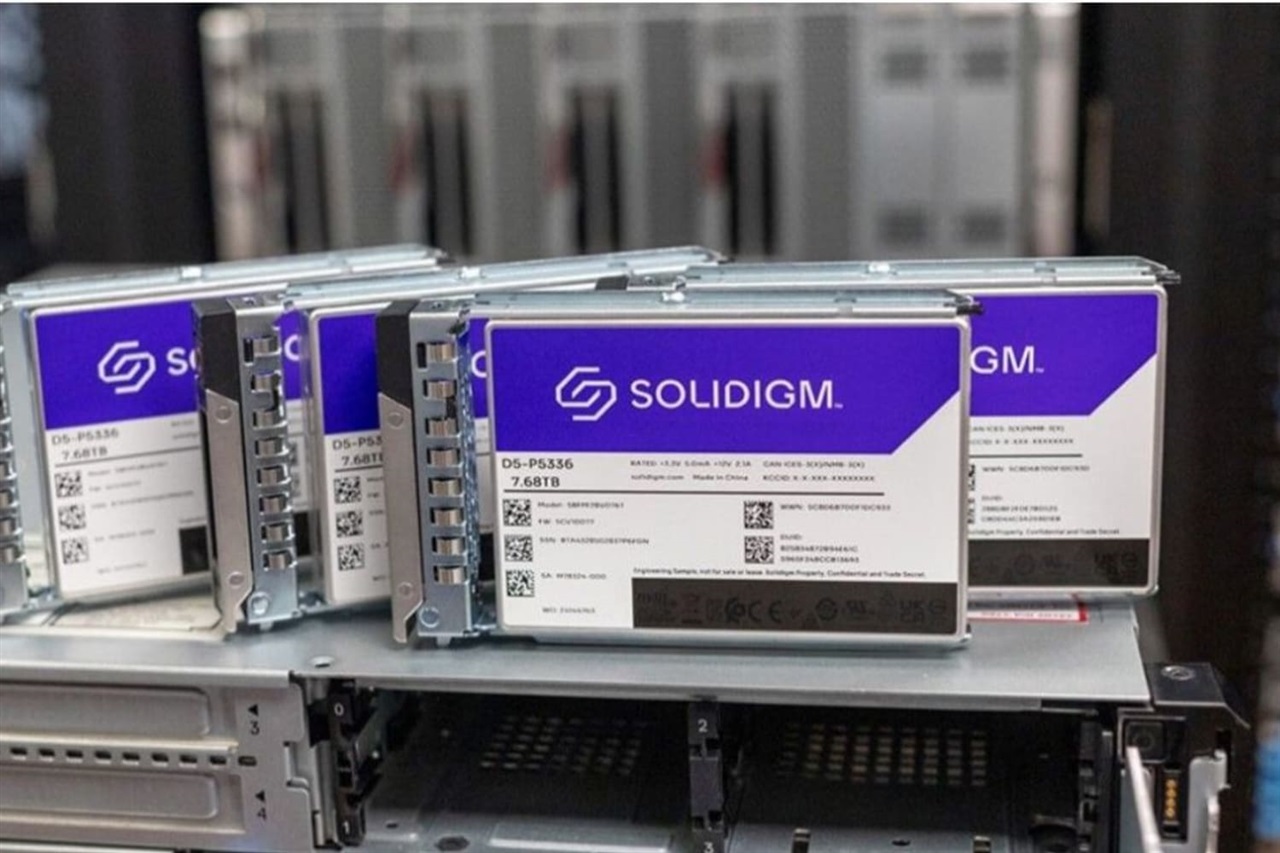
The global logic is straightforward. Nvidia won the chip layer and is now defending the system layer with NVLink, networking, and reference rack designs. The largest buyers hate single-vendor lock-in at rack scale, which opens a wedge for challengers who can co-design silicon and interconnect together. Capital is flooding this exact seam right now, from gigawatt-scale datacenter commitments across Asia to multibillion-dollar pre-IPO rounds for compute providers. Euclyd is a bet that the power, cooling, and interconnect bottlenecks reward vertically integrated hardware, not just faster chips. Samsung's presence hints at a memory and packaging angle, where HBM and advanced packaging increasingly define real-world throughput.
The risk is equally clear. Series A hardware companies targeting datacenters burn cash for years before first revenue, and the incumbents have both a software moat and pricing power. European sovereignty ambitions have funded promising silicon before without producing a durable commercial platform. Wennink's involvement buys credibility and supply-chain access; it does not guarantee design wins against a competitor shipping at enormous volume.
For Japan, this is a signal to read carefully. Japanese enterprises and SIers are entering a heavy AI-datacenter buildout phase, and most default to buying integrated Western stacks. A viable third rack architecture backed by Samsung reshapes procurement leverage and gives Japanese hyperscalers and telcos a reason to negotiate rather than accept reference designs wholesale. It also intersects with Japan's own semiconductor revival, where advanced packaging and materials strength could position domestic suppliers as partners to exactly this kind of rack-level challenger.
The practical takeaway for Japanese SIers and infrastructure teams: treat rack architecture as a strategic decision, not a commodity purchase. The firms that build vendor-flexible designs and cultivate relationships with emerging silicon players now will have far better cost and supply positions when AI capacity demand tightens further.