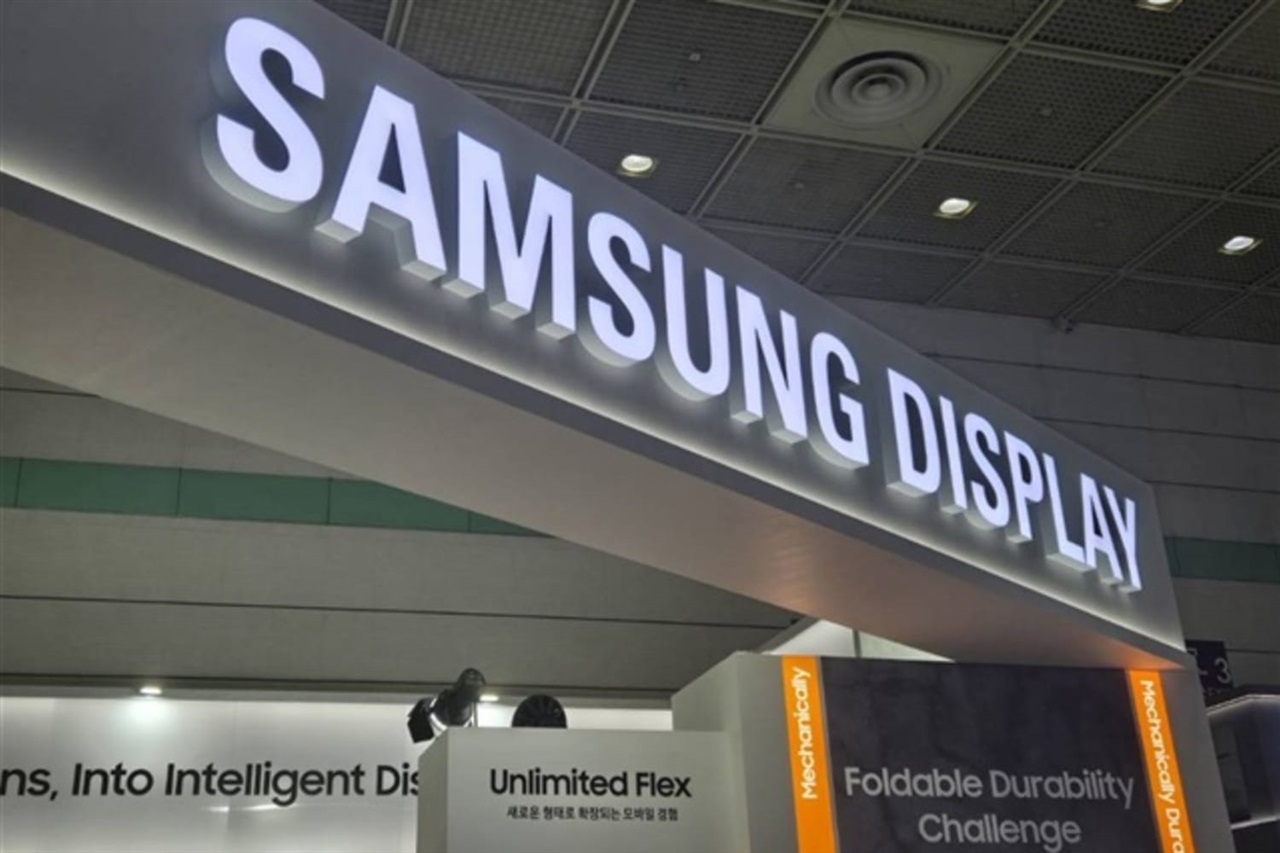
Samsung Display and LG Display are probing glass substrates as a next-generation semiconductor packaging material, but both remain in an exploratory posture rather than committed execution. The strategic logic is sound: after decades of handling large, ultra-flat glass at scale, panel makers own precisely the manufacturing muscle that glass-core substrates demand as chipmakers push past the physical limits of organic substrates.
The global stakes are larger than a display-industry side bet. Glass promises better dimensional stability, tighter interconnect density, and superior thermal behavior for the chiplet-based, multi-die packages now defining AI accelerators. Intel has been the loudest advocate, but the supply chain around glass is still forming, which means the firms that lock in yield and reliability early could capture a structural position in the most valuable layer of advanced packaging. That is why panel makers, foundries, and outsourced assembly and test players are all circling the same material.
The article's sharpest insight is about corporate structure as a constraint. Korea's panel makers sit inside conglomerates that already run semiconductor and packaging divisions. That looks like synergy, but internal turf and capital-allocation politics can just as easily slow a new business as accelerate it. Compared with more focused rivals in Taiwan and China, the Korean players risk moving deliberately while windows close.
For Japan, this is where the opportunity sharpens. Japan does not need to win the panel-maker race to win the glass-packaging race, because its strength sits upstream in materials and substrate engineering. Japanese suppliers already hold commanding positions in glass, laminate substrates, photolithography materials, and precision equipment feeding advanced packaging. A shift toward glass substrates plays directly to that incumbency rather than against it.
Japanese enterprises and their supply-chain partners should treat glass packaging as a materials-led opening, not a display story. The near-term question for domestic component makers is capacity and qualification timing: whoever certifies glass-core reliability with the leading foundries first sets the reference standard. For Japanese SIers and manufacturing-IT teams, the practical work is less about the material and more about the process-control, yield-analytics, and traceability systems that glass lines will require. Building that digital backbone now is how local players convert Japan's materials advantage into durable revenue rather than a one-time bump.