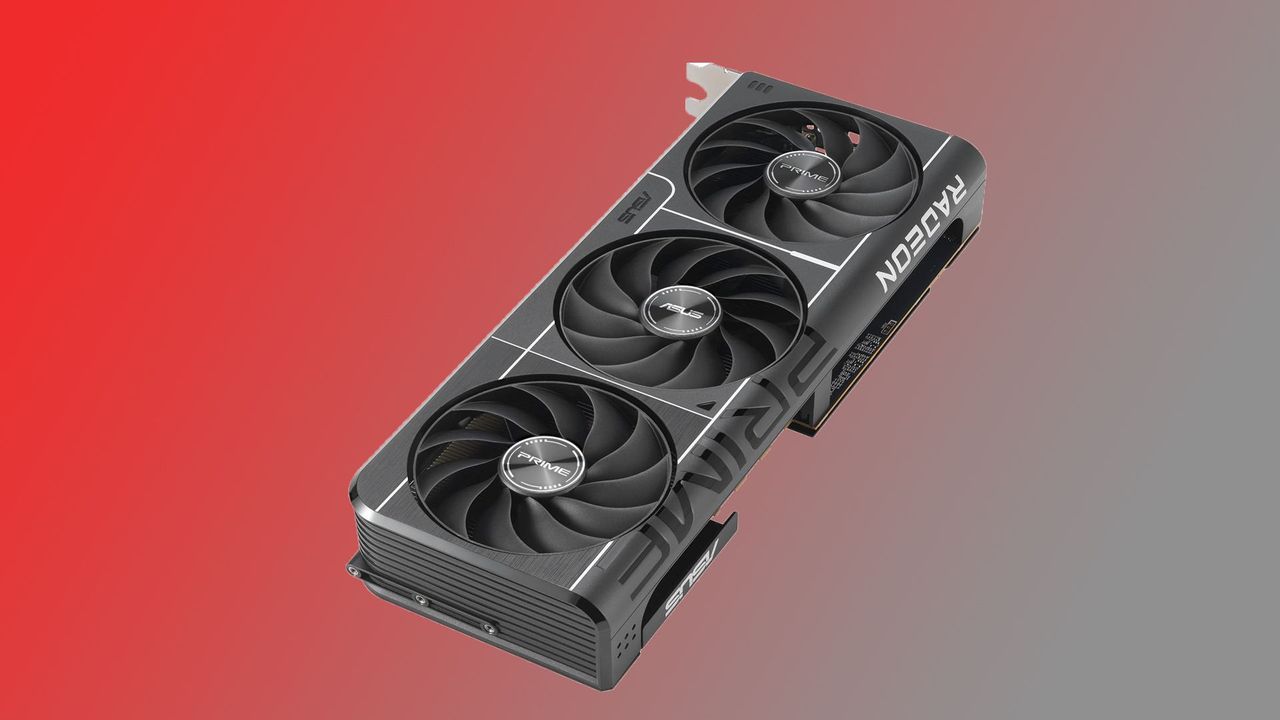
The Asus Prime Radeon RX 9070 OC, a 16GB card, slipped to $629.99 on Amazon with a $120 cut, positioned for 1440p and 4K play. On its own, a mid-cycle discount. Read against the broader market, it looks more like the calm before a price storm.
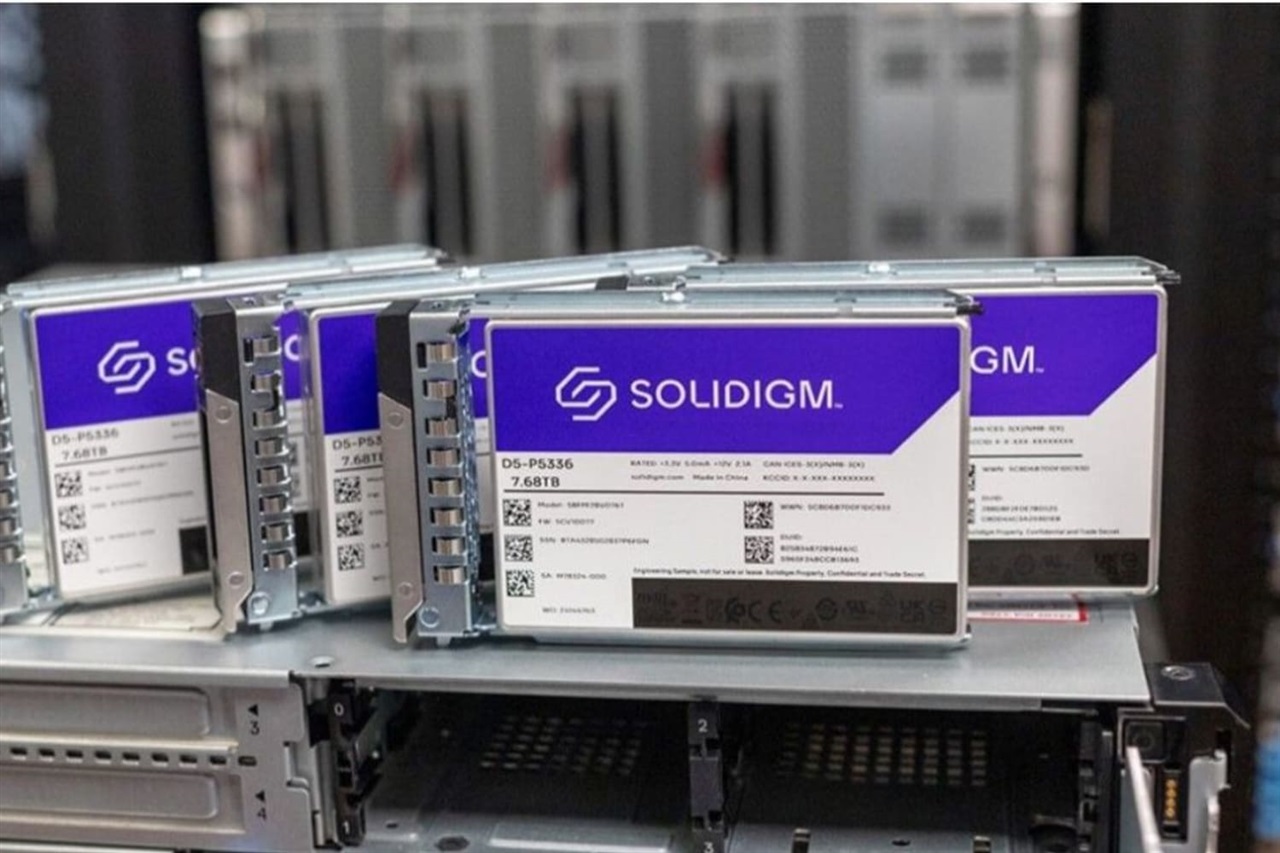
The signal worth watching is not the sticker but the component beneath it. Memory is the swing factor in GPU cost structure, and DRAM and NAND pricing has turned sharply upward as AI datacenter demand vacuums up capacity. When a consumer-electronics giant lifts device prices by double digits and cites memory and storage costs directly, that is the leading edge of a squeeze that graphics cards, with their VRAM-heavy bills of materials, cannot dodge. Today's promotional pricing likely reflects channel inventory bought at older cost bases. As that stock clears, the floor rises. Buyers treating this as a buy-the-dip moment may be right, but for reasons the retailer isn't advertising: the next generation of 16GB-plus cards could carry structurally higher prices, not cyclical discounts.
The deeper dynamic is allocation. Memory fabs are steering wafers toward high-bandwidth memory for AI accelerators, where margins dwarf commodity DRAM. That starves the consumer and gaming tiers, and the pain flows downstream to anyone assembling hardware, from PC vendors to robotics and edge-AI builders.
For Japan, the exposure is doubled. A soft yen already inflates dollar-denominated component imports, and a memory upcycle stacks a second cost shock on top. Japanese BTO PC makers and gaming-hardware channels face margin compression they cannot fully pass through to price-sensitive domestic buyers. More consequentially, SIers and enterprise IT teams scoping on-prem AI and GPU clusters should budget for hardware inflation now, not at procurement time. VRAM capacity is becoming the binding constraint for local inference and fine-tuning workloads, and lead times plus prices will move against buyers who wait. Japanese development teams weighing on-prem versus cloud GPU should revisit that math: as card prices climb, the capex case for owning silicon weakens relative to renting it, even accounting for hyperscaler markups. The window to lock in favorable hardware terms is narrowing.