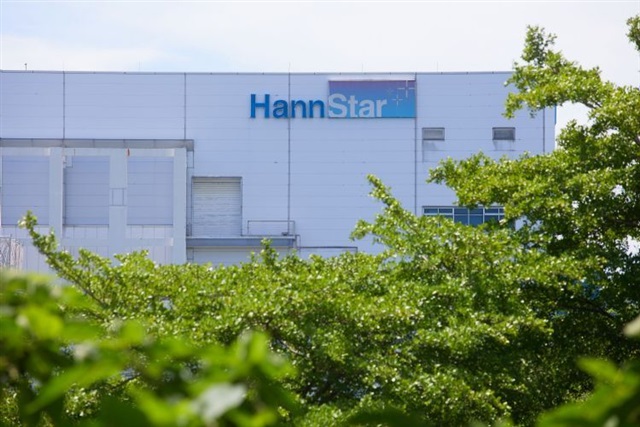
HannStar Display plans to roughly halve output at its only fab and thin its workforce by as much as 70% through voluntary buyouts, days after its general manager stepped down. The pattern points to a managed exit rather than a turnaround.
This is the predictable endpoint of a decade-long capacity war. Mainland players led by BOE, CSOT and HKC absorbed the commodity LCD market through relentless fab buildouts, driving structural overcapacity and pricing that second-tier Taiwanese and Japanese makers simply cannot sustain. When a supplier cuts a single fab in half and offers most of its people the door, it is signaling that the unit economics no longer close at any realistic volume.
The strategic consequence is concentration, not just closure. As marginal suppliers withdraw, remaining capacity consolidates further inside China, handing its panel makers durable pricing leverage in exactly the segments where buyers are least mobile: automotive clusters, industrial HMI, medical and instrumentation displays, where qualification cycles run for years and re-sourcing is painful. Commoditization at the low end quietly becomes single-region dependency at the high end.
For Japan, the read is uncomfortably familiar. Japan Display and Sharp have wrestled with the same math, and the domestic industrial base remains a heavy consumer of specialty panels. Automakers, factory-equipment vendors and medical-device firms embedding displays now face a supply map tilting toward one geopolitical bloc, precisely as export controls and cross-strait risk climb the agenda.
Japanese set makers, embedded-systems integrators and SIers building HMI and edge terminals should treat this as a sourcing-governance trigger, not a procurement footnote. Audit panel BOM exposure to at-risk suppliers, qualify a secondary source before it becomes urgent, negotiate last-time-buy and lifecycle commitments, and design longer product lifespans that tolerate part substitution. In a market consolidating this fast, resilience is an engineering decision made well upstream of the purchase order.