Kioxia is evaluating a US listing as NAND profitability recovers alongside firmer data-center demand and a fresh wave of capacity spending. The strategic subtext matters more than the venue: a memory maker chasing US capital markets is a bet that the current upcycle has enough runway to fund the next generation of fabs.
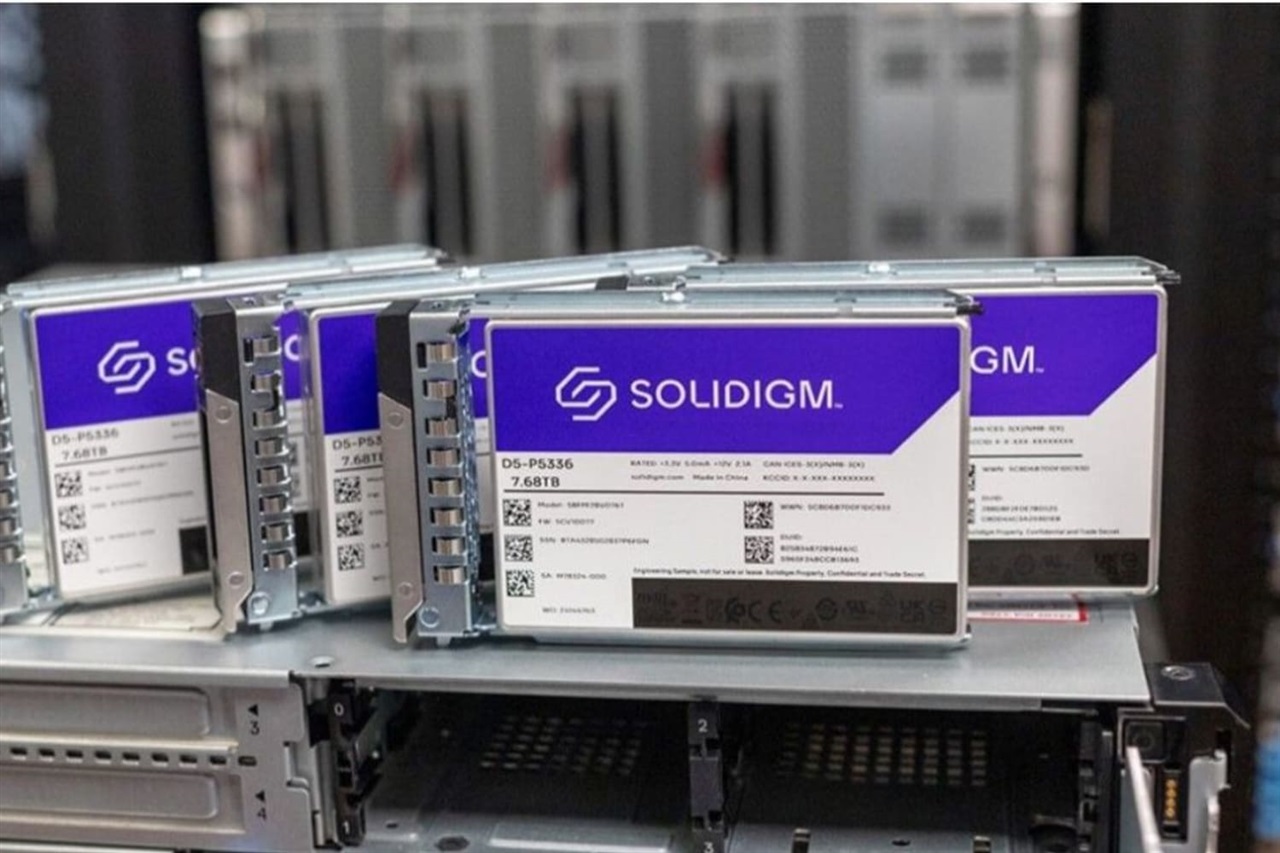
The global logic is straightforward. NAND has been the neglected sibling in an AI narrative dominated by HBM and logic. But the buildout doesn't stop at GPUs. Training and inference at scale generate enormous demand for high-capacity, high-endurance storage, and hyperscalers are refilling inventories after a brutal 2023-24 downturn. Pricing power is returning to suppliers, and a US float would give Kioxia access to institutional investors who reward capacity-led growth stories denominated in the AI theme rather than the memory commodity cycle. The risk is timing: NAND is famously cyclical, and listing near a profit peak invites scrutiny over whether margins are structural or transient.
There is also a structural angle for the industry. A better-capitalized Kioxia strengthens a non-Korean, non-Chinese NAND supplier at a moment when supply-chain diversification and economic security are procurement criteria, not afterthoughts. That is precisely the pitch that resonates with US and allied buyers wary of concentration risk.
For Japan, this is a rare offensive move in a sector where the country has spent a decade playing defense. Kioxia is the last Japanese-headquartered flagship in leading-edge memory, and a successful listing would validate Tokyo's broader semiconductor revival thesis that also underwrites Rapidus and heavy METI subsidies. The read-through for local SIers and enterprise IT teams is indirect but real: sustained domestic NAND capacity underpins the storage layer beneath every AI data-center project Japanese integrators are now scoping. As firms like NTT Data, NRI, and the SIer majors build sovereign and on-prem AI infrastructure for regulated clients in finance and government, supply security and pricing stability on storage feed directly into project economics and delivery timelines.
The caution for Japanese decision-makers is to separate the equity story from the operating one. A US listing improves Kioxia's balance sheet and optionality, but it does not repeal the memory cycle. Procurement teams should treat today's favorable NAND pricing as a window, not a new baseline, and lock supply terms accordingly rather than assuming the AI tailwind erases volatility.