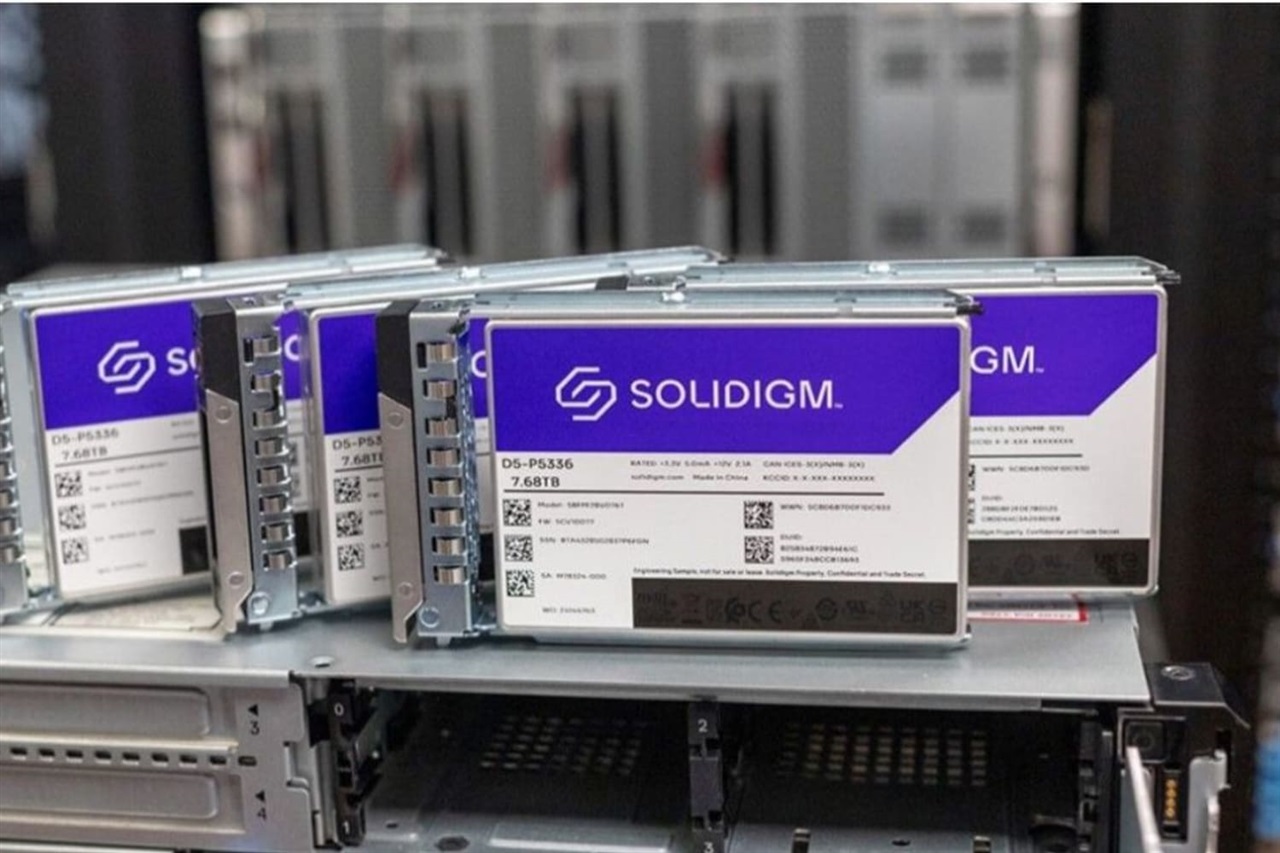
The underlying signal is stark: a 12GB RAM and 256GB NAND pairing running roughly $310 has climbed about 340% in a year, overtaking even a leading-edge SoC as the priciest component in a phone.
The deeper story isn't smartphones, it's allocation. AI datacenter buildout is consuming memory fabrication capacity faster than suppliers can add it, and HBM commands such rich margins that memory makers are steering wafers away from commodity DRAM and NAND. Consumer electronics now compete for supply against hyperscalers writing far larger checks. That inversion, where memory outprices logic, breaks a pricing assumption the mobile industry has relied on for a decade and squeezes handset margins from a direction OEMs can't easily engineer around. Expect smaller storage tiers on mid-range devices, slower spec inflation, and quiet price creep that lands on consumers by the next product cycle.
For global players the strategic move is vertical: those with captive memory or long-term supply contracts absorb the shock, while pure assemblers get caught in the middle. This is the same capacity crunch driving the debt-fueled GPU buildout, memory is the shared chokepoint linking AI infrastructure and consumer hardware.
For Japan, the picture cuts both ways. Kioxia and its NAND business sit on the winning side of tightening supply and firmer pricing, a rare tailwind for a domestic memory maker after years of margin pressure. But Japanese enterprises and SIers sit on the losing side. Corporate device fleets, edge servers, and on-premise gear all carry memory, and procurement teams planning refresh cycles should assume hardware line items rise rather than follow the usual deflation curve.
The practical implication for local dev and IT teams: rising memory cost strengthens the case for extending device lifespans, leaning harder on cloud and virtualized environments, and scrutinizing memory-hungry workloads. For SIers pricing multi-year managed-service and hardware-bundled contracts, baking in memory volatility now is prudent. The era of assuming RAM and storage get cheaper every year is, at least for this cycle, over.