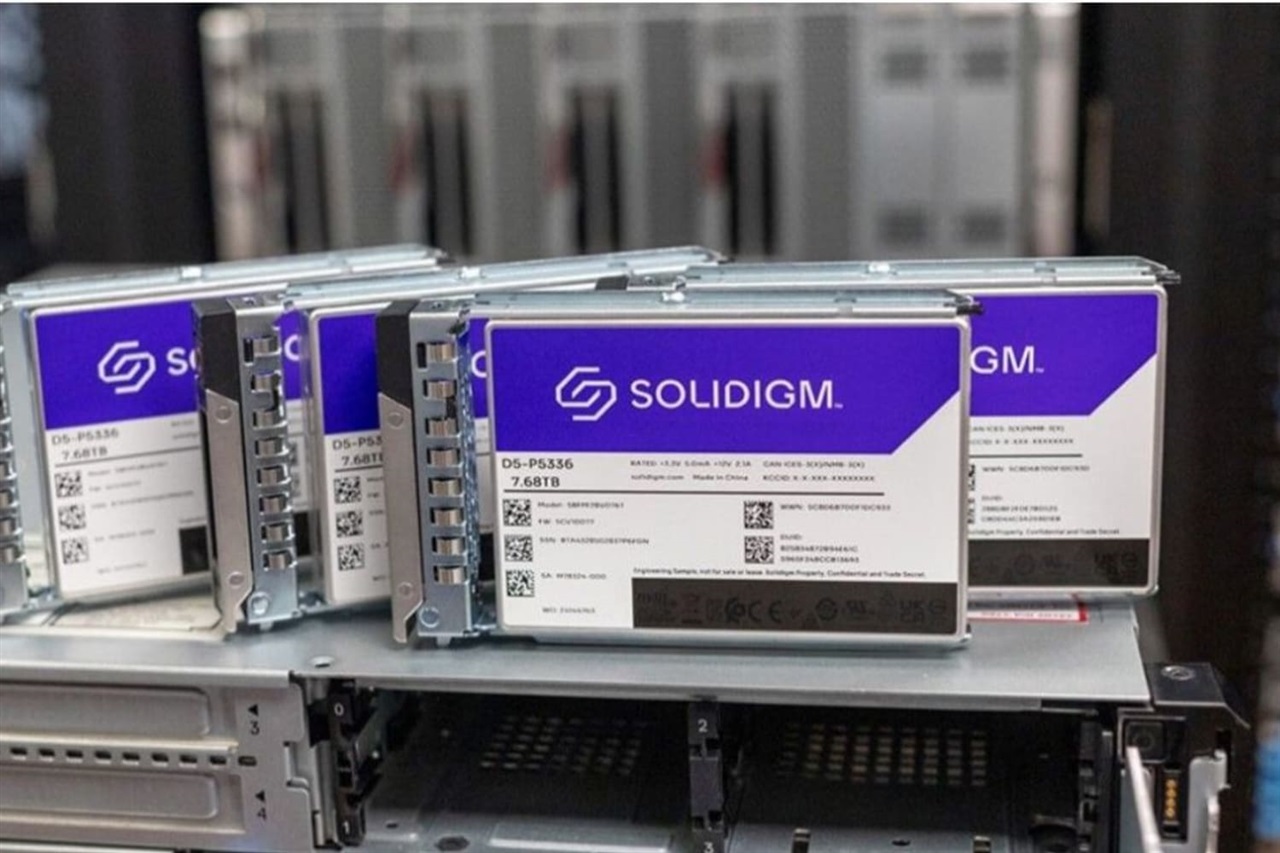
Sigmaintell Consulting expects 2026's severe memory shortage to ease in 2027 as DRAM capacity expands, with growth running through 2028 before a possible 2029 pullback as AI demand patterns shift. The forecast matters less as a price call than as a map of where the current AI-driven supercycle bends back toward gravity.
The global signal is that the 2026 crunch is a diversion story, not a scarcity story. Capacity that would have gone to commodity DRAM was pulled into HBM for AI accelerators, starving conventional server and PC memory and inflating prices. That gap closes once new wafer starts and node transitions come online in 2027. The more consequential idea is the 2029 wall: if inference efficiency, model architecture, and on-device AI reshape how much memory each workload actually consumes, demand elasticity could reverse faster than fabs can throttle output. Memory has always been cyclical; AI has not repealed that, only delayed the next trough. Buyers who lock capacity at 2026 peak pricing risk holding expensive contracts into a softening 2029 market.
For Japan, the exposure runs deep on the supply side. Kioxia sits squarely in the NAND cycle, while the real leverage is in equipment and materials, where firms like Tokyo Electron, Shin-Etsu, JSR, and Sumco feed every capacity expansion regardless of which memory maker wins. A 2027 capacity ramp is a tailwind for these suppliers; a 2029 pullback is where order books get tested. Japanese component and materials vendors should treat 2028 as the year to diversify beyond memory-linked capex, not the year to extrapolate it.
For Japanese enterprises, SIers, and development teams, the immediate issue is procurement timing. Memory price volatility flows directly into server bills of materials, on-prem AI infrastructure costs, and the cloud rates that SIers pass through in fixed-price system contracts. Multi-year deals signed during the 2026 spike will look expensive by 2028. The pragmatic move is to structure hardware and cloud commitments with price-adjustment clauses tied to the DRAM cycle rather than committing to peak-era pricing, and to model AI infrastructure budgets against a scenario where unit memory costs fall, not just rise.
The strategic takeaway for executives: plan the AI buildout on a cycle, not a straight line. The scarcity narrative of 2026 will invert, and the organizations that budget for a 2027 easing and a 2029 correction will hold a cost advantage over those still pricing in permanent shortage.