SK Hynix's move to adopt advanced packaging, including Intel's EMIB, and to chart a path toward 3D HBM structures is a signal about where the constraint in AI compute is migrating. The bottleneck is no longer just the logic die on a leading-edge node; it is the memory stacked beside it and the packaging that binds them. As stacks grow taller and interconnect density climbs, packaging becomes a first-class design problem rather than a back-end afterthought. That shifts value toward whoever controls bonding, substrate, and integration know-how.
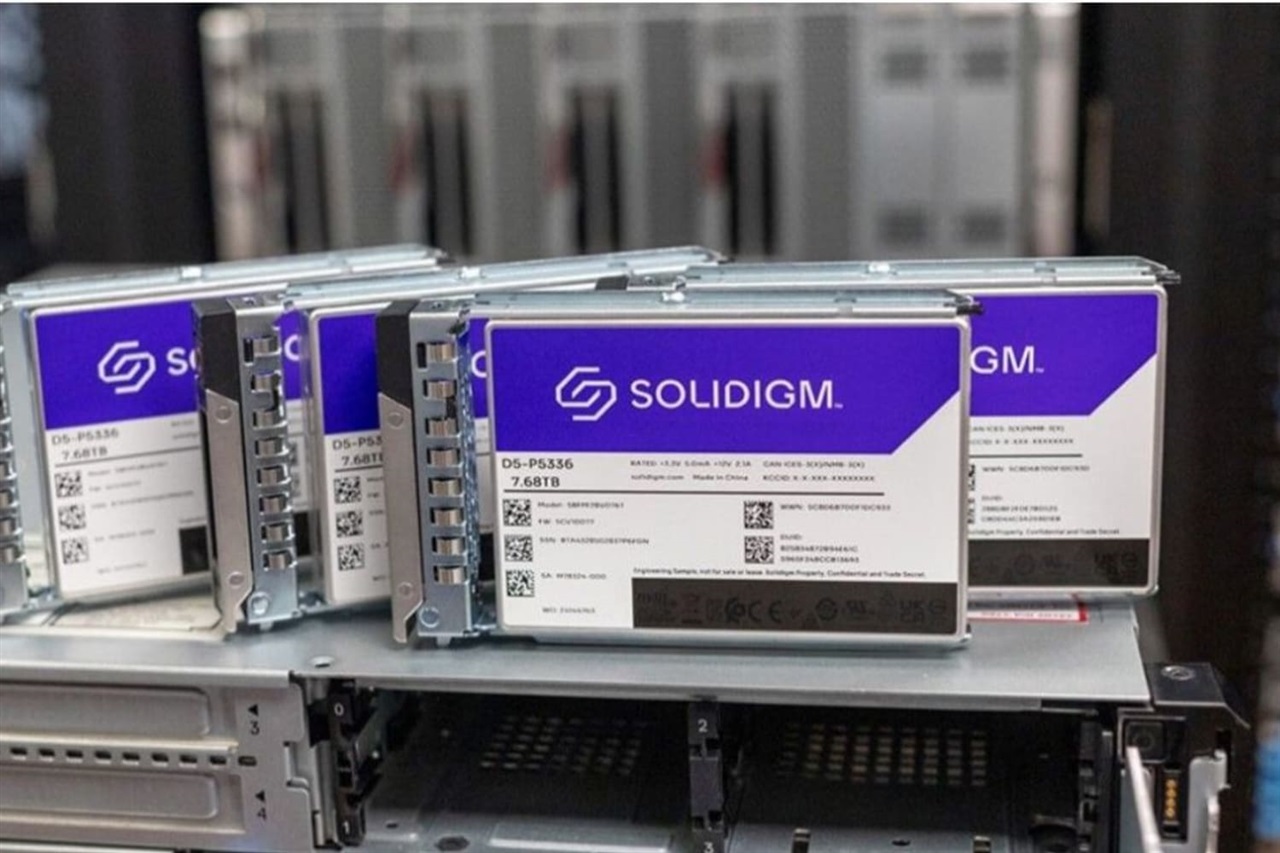
The demand-side consequence is already visible in consumer pricing. Amazon raising Echo, Fire TV, and Kindle prices by up to 60% and pointing to memory and storage costs is the clearest sign yet that AI-driven appetite for HBM and high-end DRAM is crowding out commodity supply. When leading fabs prioritize wafer starts and packaging capacity for the highest-margin AI memory, the ripple reaches everything downstream: servers, phones, and now low-margin gadgets. Expect this to compress hardware margins through 2026 and force uncomfortable pricing conversations across the device industry.
For Japan, the strategic exposure runs in two directions. On the upside, Japan sits at the center of the packaging value chain that SK Hynix is now doubling down on. Firms supplying dicing and bonding equipment, photoresists, specialty chemicals, and IC substrates are structurally advantaged as HBM shifts toward hybrid bonding and 3D integration. This is where Japanese materials and precision-equipment makers can capture durable value that is harder to commoditize than the memory cells themselves. Kioxia's position in NAND also becomes more strategically sensitive as storage tightness spreads.
On the downside, Japanese device makers, cloud buyers, and enterprises face imported cost inflation. As memory prices climb, so do the effective costs of GPU-dense servers and cloud instances, which flows directly into the run-rate of AI workloads. For SIers and internal development teams, this means the economics of AI pilots are moving underfoot: inference and training budgets sized on last year's memory prices will not hold. The practical response is to treat memory-bound cost as a first-order planning variable, favor architectures that reduce HBM footprint per query, and lock capacity or pricing where possible rather than assuming abundant, cheap compute.