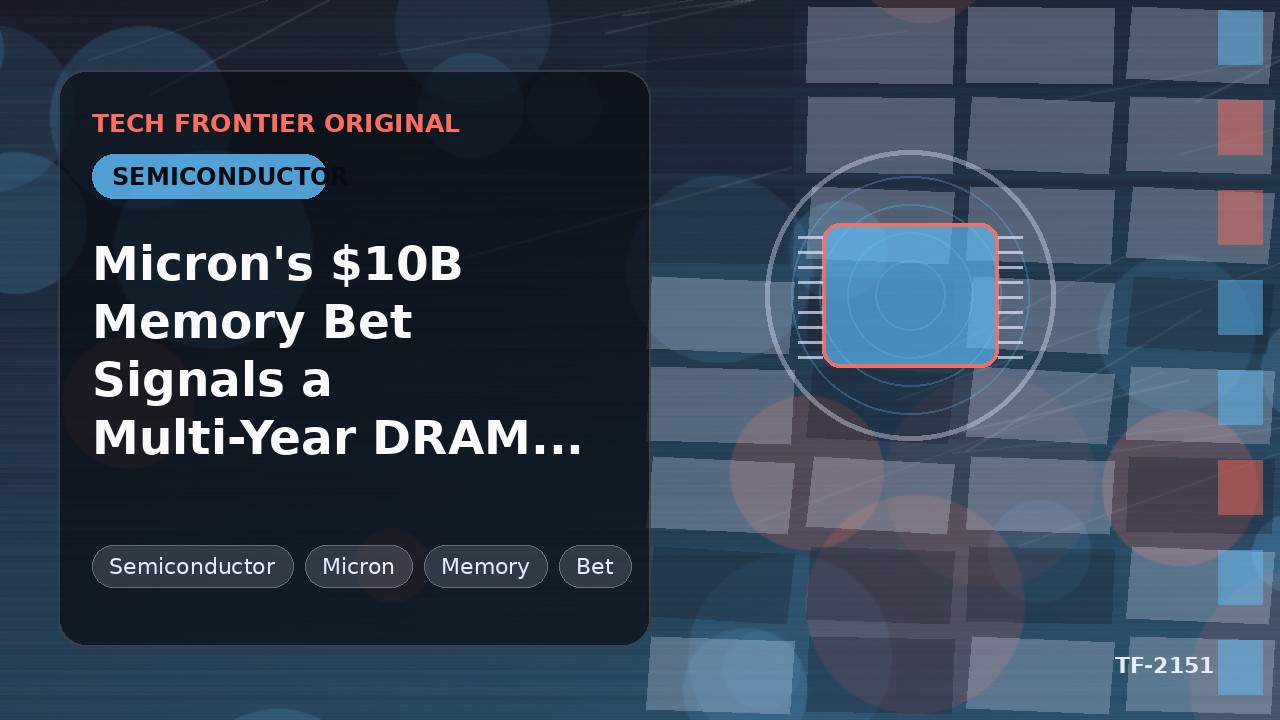
Micron will spend up to $10 billion over a decade on new Research Labs in Boise, chasing post-DRAM and post-NAND architectures, advanced packaging, and pre-competitive IP with partners. On its own, a corporate R&D center is unremarkable. Read alongside reports that NVIDIA has locked multi-year DRAM commitments with both Micron and SK hynix, and the picture sharpens: memory has become the gating resource for the entire AI infrastructure cycle, and the industry is planning for scarcity that stretches toward 2028.
The strategic logic is straightforward. HBM for AI accelerators carries far richer margins than commodity DRAM and NAND, so fab capacity is being redirected toward it. That reallocation is what pushes prices up everywhere downstream, from Nvidia's warning of 15%-plus server price increases to Amazon raising consumer hardware prices by as much as 60% on memory-cost grounds. Micron's long-horizon lab spending is a hedge against exactly this: the recognition that today's node shrinks are hitting physical limits and the next decade of memory economics depends on new materials and packaging, not just more wafers. Buyers locking multi-year supply is the demand-side mirror of the same anxiety.
For Japan, the exposure runs in two directions. On the supply side, Kioxia sits directly in the NAND value chain and stands to benefit from firm pricing, while the Rapidus and broader reshoring narrative gains urgency as memory joins logic as a sovereign-capacity concern. On the demand side, the pain is more acute. Japanese cloud operators, data-center builders, and enterprise IT teams are entering a multi-year window where server and storage costs stay elevated and lead times stay long.
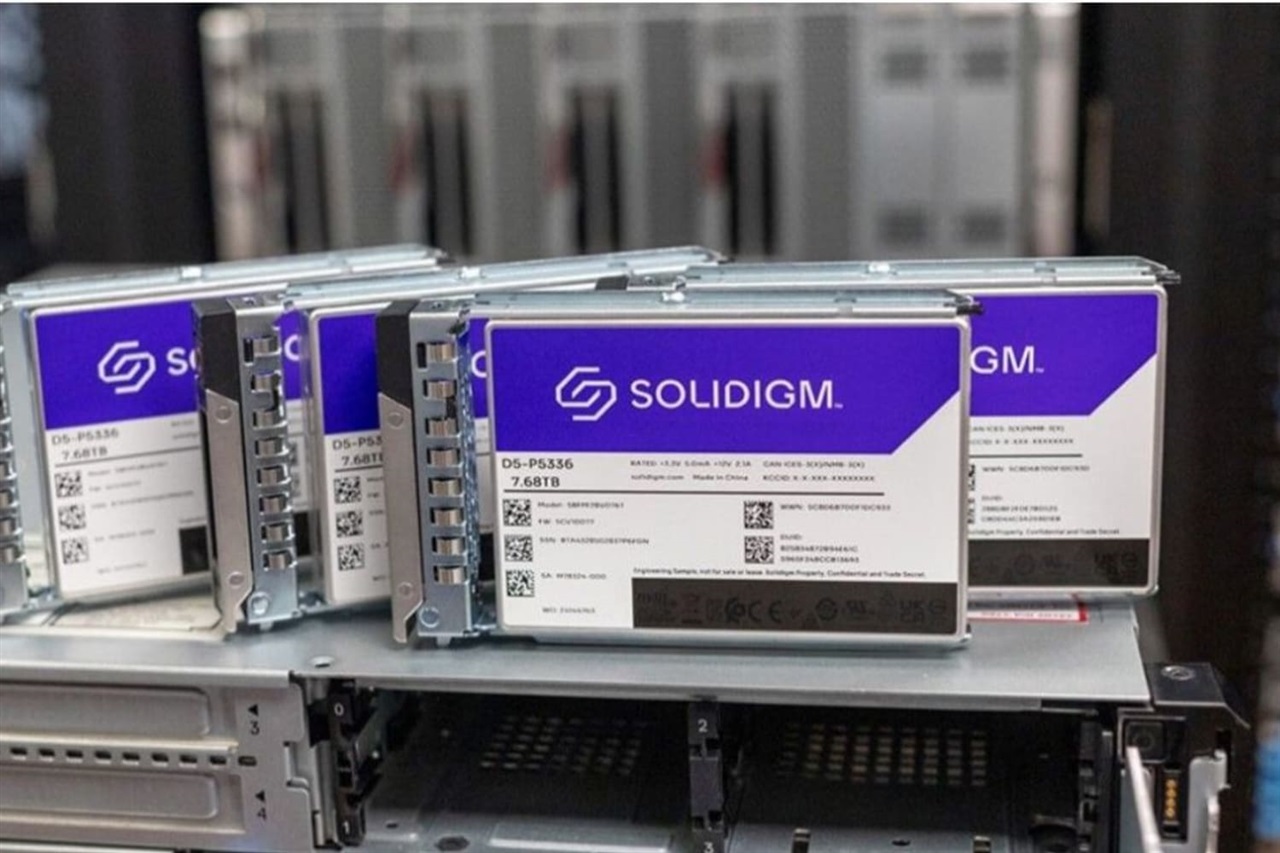
This lands hardest on SIers and DX programs. Fixed-price system integration contracts assume stable hardware inputs; a structural memory premium erodes those margins and forces harder conversations about pass-through pricing, longer procurement lead times, and refresh-cycle timing for on-premise and RPA infrastructure. The practical move for Japanese buyers is to treat memory as a strategic procurement line, not a commodity: lock capacity early where possible, favor cloud consumption models that absorb hardware volatility, and build cost-escalation clauses into multi-year integration deals rather than absorbing the squeeze silently.