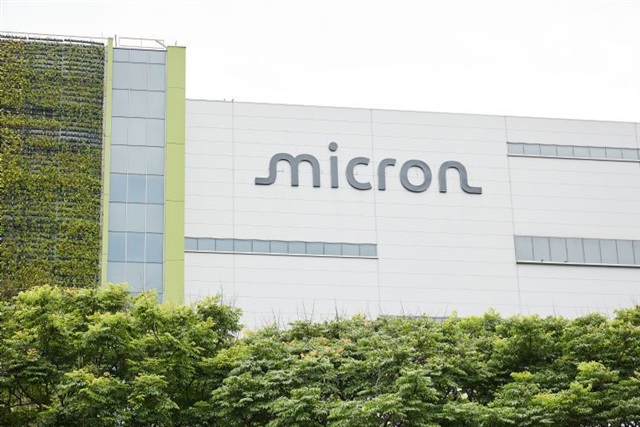
Micron has unveiled the largest compensation package in its history for its 60,000-plus global workforce, granting every employee merit-based stock for the first time — a move landing as strike threats surface at its Taiwan operations.
Read past the HR framing and this is a defensive capital allocation decision. Memory is no longer a commodity backwater; high-bandwidth memory sits directly in the critical path of every AI accelerator shipping today. That has turned DRAM and HBM process engineers into some of the most fought-over talent in the industry, and equity-for-all is the clearest signal yet that Micron sees retention, not fab capacity alone, as its binding constraint. Making the entire workforce shareholders is a bet that ownership dampens attrition at precisely the moment a Taiwan labor disruption could dent output.
The global implication is a widening cost floor. When one of three dominant memory suppliers resets compensation upward, Samsung and SK Hynix face pressure to match, and those costs eventually surface in accelerator bills of materials. For hyperscalers and AI infrastructure buyers already absorbing GPU scarcity, memory becomes a second inflation vector. The Taiwan strike threat compounds this: geographic concentration risk in memory is less discussed than in logic, but a stoppage would ripple through pricing quickly given how tight HBM allocation already is.
For Japan, the stakes are unusually direct. Micron's Hiroshima operation — the former Elpida site — is one of the country's few advanced DRAM and next-generation memory production bases and a centerpiece of the METI-backed semiconductor revival. A global pay reset flows straight into a Japanese labor market with historically flatter tech compensation, pressuring domestic peers such as Kioxia and complicating the talent pipeline that Rapidus and the broader ecosystem are trying to build. Japanese engineers now have a multinational, equity-linked benchmark sitting inside their own borders.
Japanese enterprises, SIers, and hardware-dependent integrators should treat this as an early warning on memory cost trajectory. Systems builders quoting multi-year infrastructure and edge-AI projects need to price in firmer memory costs and thinner supply buffers, and factor labor-driven volatility at concentrated production sites into procurement planning. The comfortable assumption of ever-cheaper memory is over; component strategy, not just chip strategy, now belongs in the boardroom conversation.