Montage Technology is pushing past standard DDR memory interface chips into CXL 3.2, DDR6 and PCIe, and is reportedly qualifying into Samsung and SK Hynix supply chains for AI data center gear.
The strategic weight here sits in a component category most executives never think about. Memory interface and buffer chips are a quiet chokepoint: they sit between the CPU and the DRAM, and without them modern high-capacity server memory does not run reliably. The market has long been a near-oligopoly split among Montage, Rambus and Renesas (via its IDT acquisition). CXL matters because it turns memory from a fixed, per-server resource into a pooled, disaggregated one, which is exactly what memory-hungry AI training and inference clusters need to raise utilization and cut cost. A vendor that owns the interconnect layer for CXL 3.2 and gets an early read on DDR6 is positioning itself at the center of the next data-center memory architecture, not the last one.
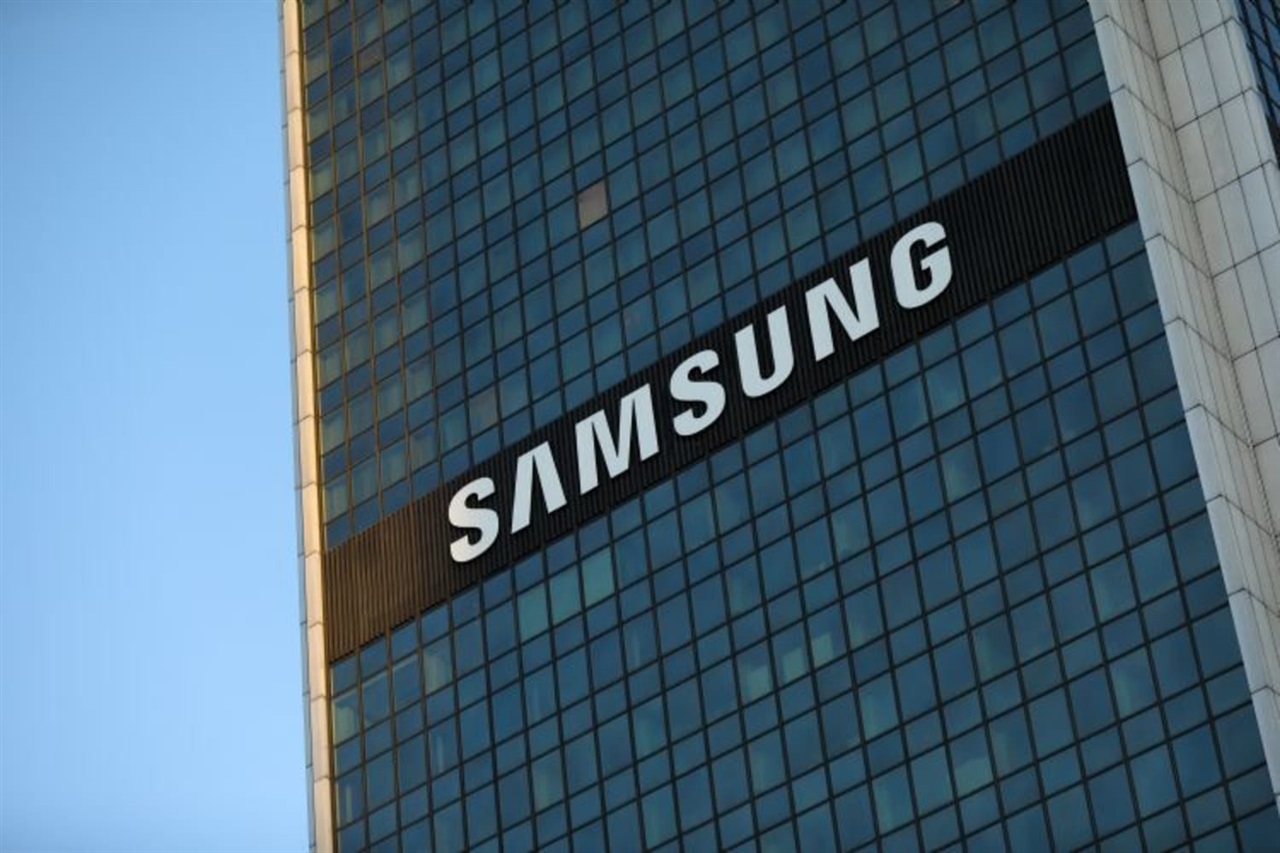
The geopolitical layer is the real story. A Chinese-headquartered chipmaker deepening its footprint inside two Korean memory giants signals that, at the leading edge of interconnect design, the US-China decoupling narrative is far messier than policy rhetoric suggests. Montage designs to global standards and fabs externally, so it sidesteps the equipment-level constraints that hobble China's fabs. For buyers, more competition in interface silicon is good news on price and supply security; for incumbents, it compresses margins in a category they assumed was defensible.
For Japan, the direct exposure is Renesas. Its IDT-derived memory interface business is one of the assets most directly in Montage's path, and any share erosion in CXL and DDR6 sockets hits a high-margin line just as AI demand should be its tailwind. Japanese memory and substrate suppliers feeding Samsung and SK Hynix should also expect qualification cycles to shift as those OEMs diversify interface sourcing.
For Japanese enterprises, SIers and data-center builders, the practical takeaway is architectural. CXL-based memory pooling is moving from roadmap to procurement reality, and teams designing AI infrastructure should start modeling disaggregated memory into capacity plans rather than defaulting to fixed per-node DRAM. SIers advising on-prem and colocation AI buildouts can add real value by treating interconnect standards and multi-vendor interface sourcing as a resilience question, not just a spec-sheet detail.