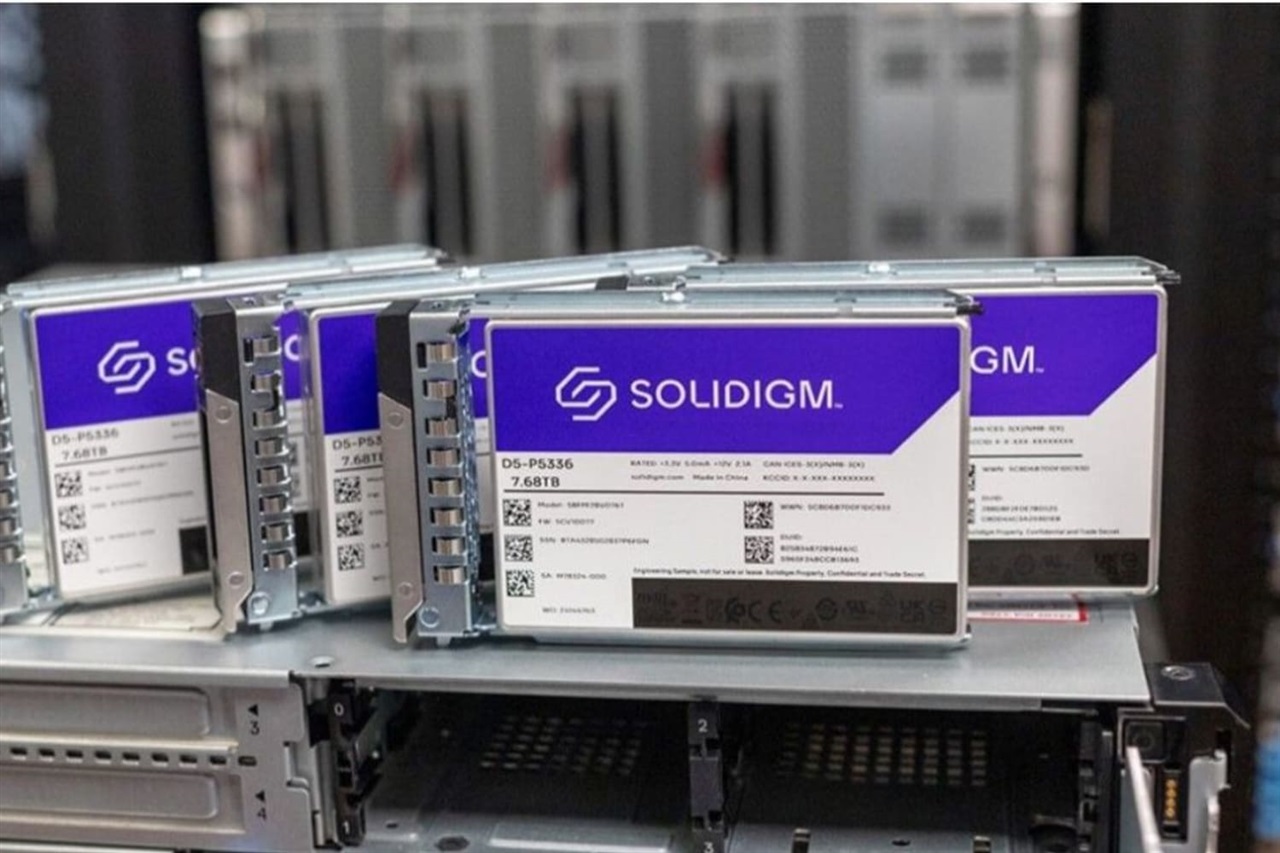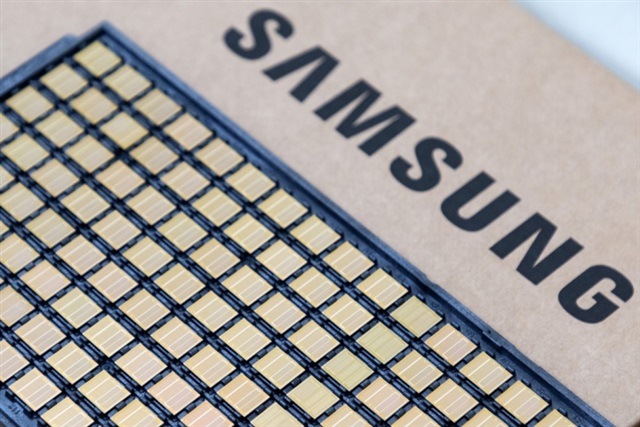
Nvidia has asked Samsung and SK Hynix to lift the share of 8-high HBM4 destined for its Vera Rubin accelerators, prioritizing packaging yield, thermal margin, and availability over maximum per-stack capacity. The move is less a technical footnote than a tell about who really controls the AI compute roadmap right now: the memory makers.
For years the narrative held that GPUs gate AI progress. That framing is now outdated. High-bandwidth memory has become the binding constraint, and the willingness to accept 8-high over taller 12-high stacks shows Nvidia optimizing for what can actually be manufactured at volume rather than what looks best on a spec sheet. Taller stacks strain thermal budgets and depress yields at advanced nodes, so trimming ambition buys predictable supply. The strategic implication for hyperscalers and model labs is uncomfortable: accelerator delivery schedules are hostage to a duopoly-plus-one memory market where SK Hynix leads, Samsung is fighting to qualify, and Micron rounds out the field. Whoever secures HBM allocation, not whoever designs the fastest chip, sets the pace of frontier training.
This also reshapes competitive dynamics. A shift toward 8-high widens the qualified supplier pool and gives Nvidia negotiating leverage, but it caps the memory-per-GPU ceiling that AMD and custom silicon programs are chasing. Expect capacity, not architecture, to decide 2026 market share.
For Japan, the read-through is direct and favorable. The country sits upstream of exactly the chokepoints in play: photoresists, high-purity chemicals, bonding and packaging materials, and the precision equipment used in advanced stacking and hybrid bonding. When yield and packaging become the gating variables, demand concentrates on Japanese materials and tool suppliers regardless of which memory vendor wins the socket. That is a structurally stronger position than betting on any single foundry customer.
For Japanese enterprises, SIers, and in-house AI teams, the practical lesson is procurement discipline. HBM scarcity means GPU lead times and pricing will stay volatile through the Vera Rubin cycle. Rather than queue for scarce top-tier accelerators, local integrators should design workloads that flex across memory tiers, lean harder on inference-optimized and quantized deployments, and treat cloud GPU capacity as a hedge against on-prem delivery slips. The teams that plan for supply constraints as a permanent condition, not a temporary shortage, will ship AI projects while competitors wait in line.