Nvidia has told major customers that prices on AI servers, including systems built around its Vera Rubin and Grace Blackwell chips, will climb more than 15% on units shipping early next year, with surging memory costs cited as the driver.
The strategic signal matters more than the number. For two years the AI buildout ran on an implicit assumption that compute would follow its usual trajectory of falling cost per unit of performance. A double-digit price increase driven not by Nvidia's own silicon but by memory reverses that logic. High-bandwidth memory and conventional DRAM/NAND have become the binding constraint, and every hyperscaler racing to stack GPUs is now bidding against the same tight supply. The result is cost inflation propagating up the entire stack, from the fab to the rack to the eventual price of an inference token. Expect this to compress the margins of neoclouds and smaller GPU landlords first, since they lack the balance sheets to absorb increases the way Microsoft, Google, and Amazon can. It also strengthens the case for efficiency, smaller models, better utilization, and custom silicon, as the counterweight to brute-force scaling.
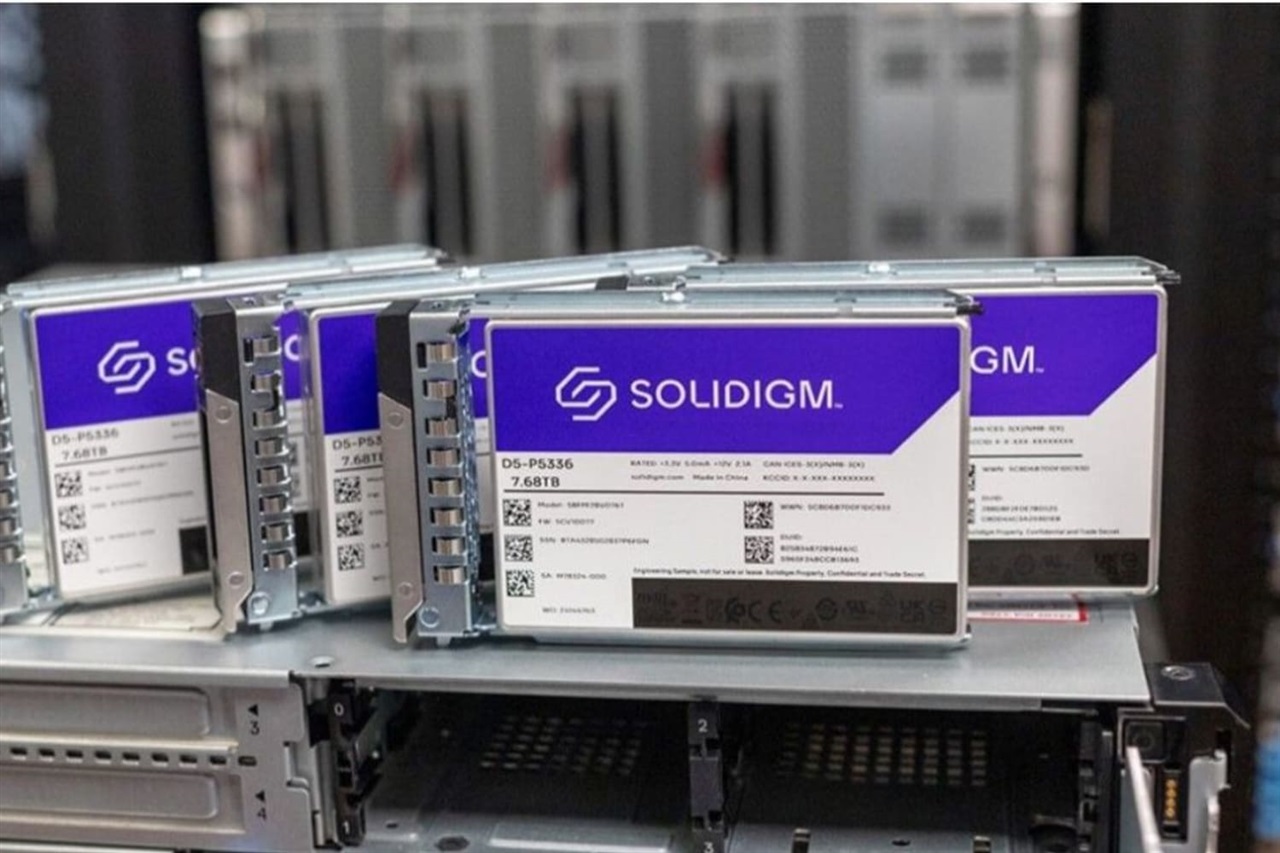
The downstream evidence is already visible: Amazon has raised consumer hardware prices citing the same memory and storage crunch. When a supply shock reaches both the most expensive AI servers and the cheapest smart speakers simultaneously, it is systemic, not a one-off.
For Japan, the exposure cuts two ways. On the supply side, Japan's memory and materials position, from NAND production to the chemicals and equipment that feed global fabs, becomes more strategically valuable as scarcity lifts pricing power. On the demand side, the pain is sharper. Japanese enterprises and the SIers that serve them, already late to large-scale GPU procurement, now face a rising entry cost just as they attempt to build sovereign and on-premise AI capacity. Fujitsu, NEC, NTT Data and their clients will find that AI infrastructure business cases signed off on last year's assumptions no longer close.
The practical response for Japanese buyers and SIers is to shift from owning scarce hardware toward optimizing what they can access: prioritize inference efficiency, lean on managed cloud GPU capacity to avoid capital lock-in at peak prices, and reframe RPA and automation projects around smaller task-specific models rather than assuming ever-cheaper frontier compute. The firms that treat compute as a genuinely scarce, priced resource, rather than an abundant commodity, will design the AI systems that actually pencil out over the next 18 months.