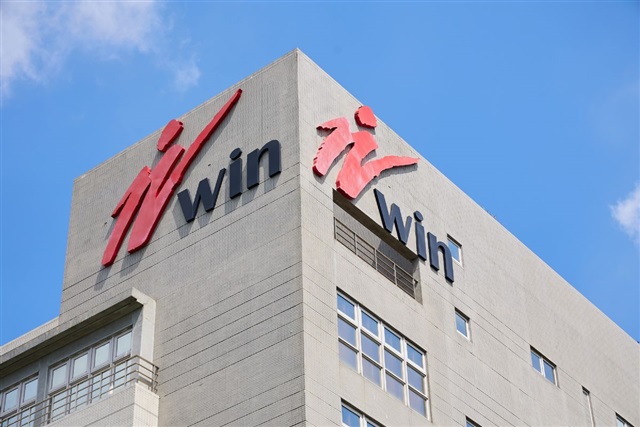
The story beneath the AI compute race is that the binding constraint is migrating from accelerators to the fabric that connects them. A compound-semiconductor foundry expanding photodiode and laser-diode lines and co-developing 200G parts is a signal that data movement, not raw FLOPs, is where the next scarcity sits. Once clusters reach tens of thousands of accelerators, shuttling data between them at 800G and toward 1.6T runs into the physical limits of copper, and optical takes over at distance.
That shift quietly promotes compound semiconductors from a niche to a chokepoint. Lasers and photodiodes built on InP and GaAs sit at the heart of every high-speed optical link, and the epitaxy and packaging behind them cannot be scaled on the timeline of a GPU order. You can buy more accelerators in a quarter; standing up compound-semi capacity and co-packaged optics is a multi-year, capital-heavy commitment. The firms that control that stack capture margin that the buildout narrative usually overlooks.
This is the missing layer in the current capital story. Gigawatt-scale datacenter commitments and multibillion-dollar compute financings all assume an interconnect fabric that scales in lockstep. Every gigawatt of AI compute implies proportional optical bandwidth, and today that supply is tighter than the headlines about chips and power suggest.
For Japan, this is one of the few AI-infrastructure segments where the country holds genuine, defensible hardware IP rather than importing value. Japanese players carry deep expertise in optical components, fiber, and photonic integration, and NTT's IOWN initiative is an explicit bet on optics as the backbone of future networks. Rather than buying finished AI capacity from abroad, Japanese firms can anchor part of the photonics supply chain domestically.
The practical implication for Japanese SIers and datacenter operators building sovereign compute is that optical supply becomes a procurement priority on par with GPU allocation. Lead times are long and foundry capacity for these components is geographically concentrated, so securing multi-year commitments and diversifying beyond a single-region supply base is now a strategic question, not a purchasing detail. The opportunity is to position local optical and equipment makers as suppliers to the buildout rather than spectators to it.