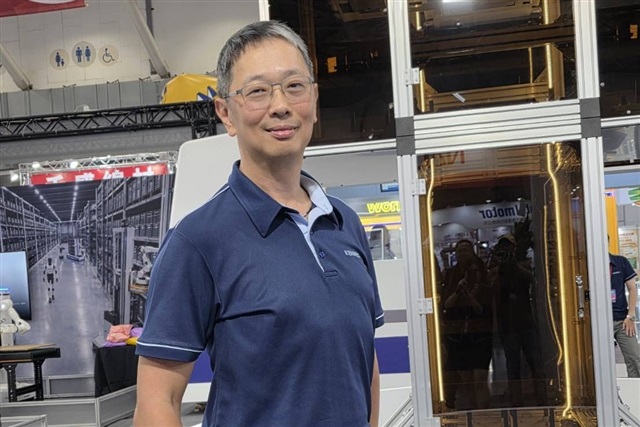
Taiwan's Kenmec is carving out two units—Taisic in silicon carbide (SiC) and Kentec in AI datacenter infrastructure—both aiming for Emerging Stock Board listings in October 2026. On its own, a mid-cap reorganization. In aggregate, it is a tell about where the smart money now sits.
The AI infrastructure trade has quietly moved down the stack. Two years ago the scarce asset was the GPU; today it is the megawatt. That shift is why the more consequential global story is the growing community and regulatory pushback against the datacenter buildouts led by OpenAI, Meta, and their peers. Local opposition over power draw, water use, and grid strain is no longer noise—it is becoming the pacing item for capacity expansion. When siting and interconnection queues, not silicon, gate growth, the entire investment logic reorients around anything that reduces power intensity or eases the permitting fight.
That is precisely why SiC is strategically mispriced by most generalist investors. Silicon carbide power devices cut conversion losses across the datacenter power chain, from grid to server. In a world where every marginal watt invites a zoning hearing, efficiency stops being a cost line and becomes a license-to-operate argument. Suppliers of power electronics, liquid cooling, and electrical balance-of-plant are moving from commodity vendors to gatekeepers of whether a campus gets built at all.
For Japan, the implications are sharper than the market appreciates. Japan hosts a credible SiC base—Rohm, Mitsubishi Electric, Fuji Electric—and is absorbing a wave of hyperscaler and telco datacenter investment concentrated around Tokyo and Osaka, where grid headroom is genuinely tight. The domestic power-constraint story mirrors the global one, which means Japanese SiC and thermal-management players have a natural, defensible export lane into the same buildout facing backlash elsewhere.
For Japanese SIers and enterprise IT teams, the takeaway is to stop treating datacenter capacity as an infinitely elastic cloud commodity. Power-constrained regions will see uneven pricing, longer provisioning lead times, and location-dependent availability. Design workload placement, procurement contracts, and edge-versus-core decisions around energy availability now, not after a region caps new interconnections. The firms that model power as a first-class dependency—rather than an accounting afterthought—will avoid the capacity squeeze their competitors are walking into.