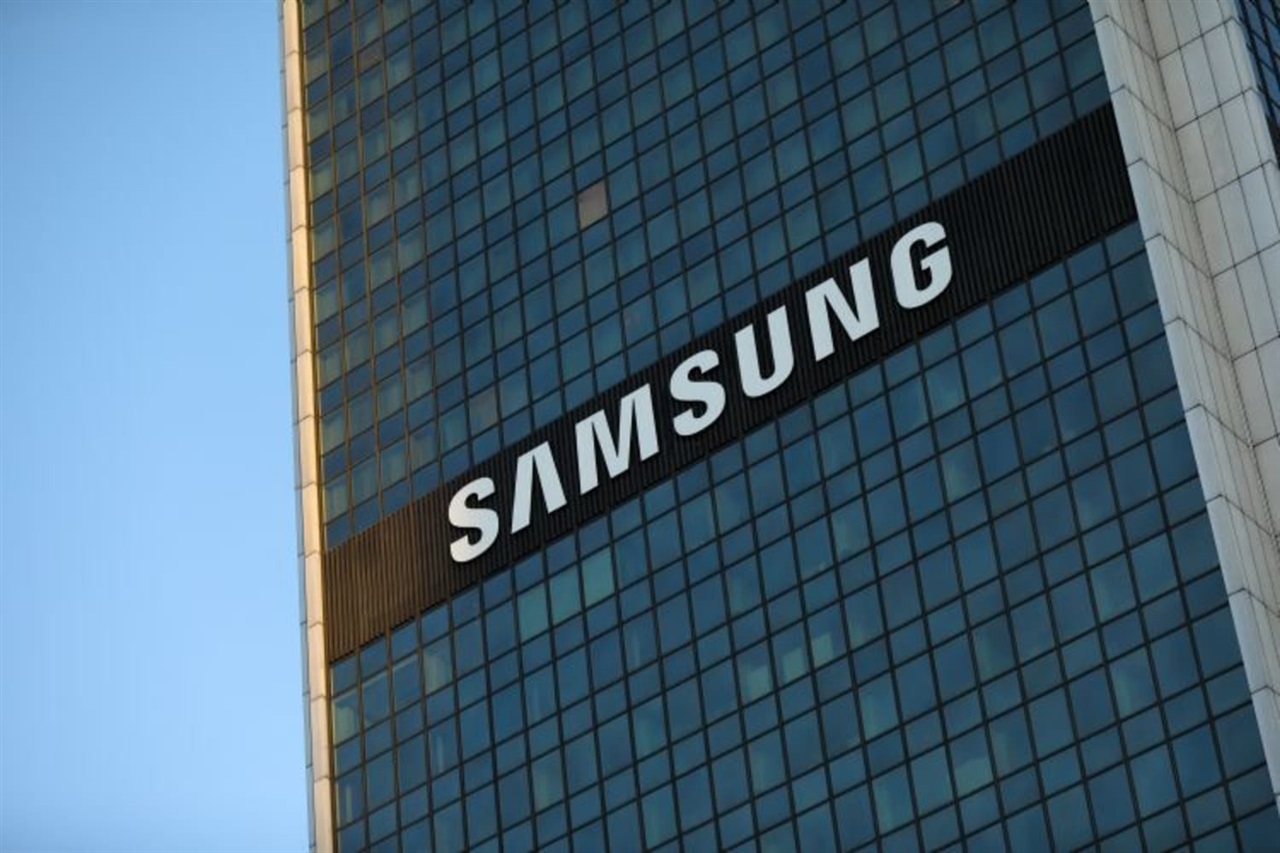
Three signals sit inside this roundup, and together they sketch where advanced silicon is heading. Samsung reportedly running prototypes of Tesla's 2nm A15 chip matters less as a single customer win and more as evidence that leading-edge foundry demand is broadening beyond the usual mobile and datacenter accounts. Automakers designing custom AI silicon for autonomy and inference at the edge changes the customer mix at 2nm, a node where TSMC has held a near-monopoly on trust. If Samsung can convert Tesla prototyping into volume yield, it reopens a two-supplier dynamic that hyperscalers and fabless firms have quietly wanted for years, purely to regain pricing leverage.
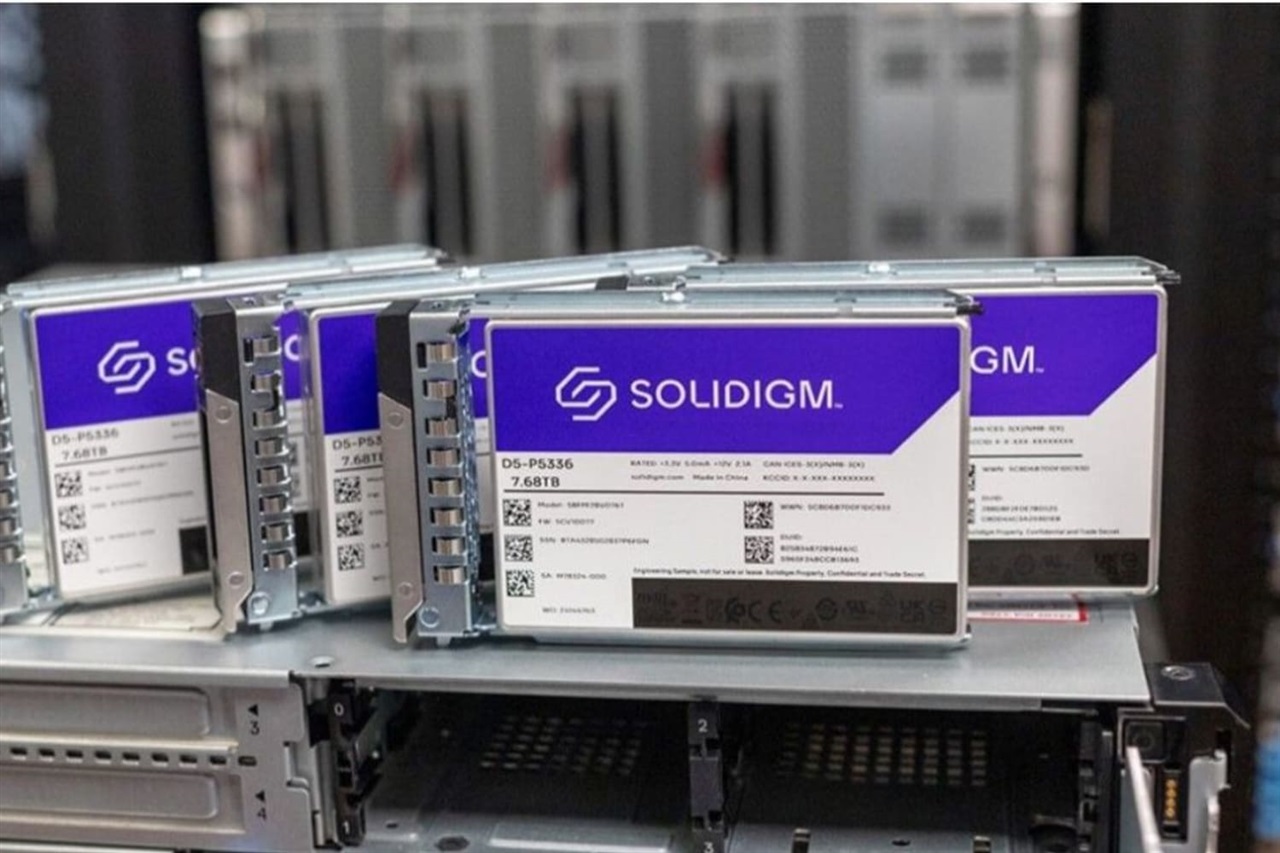
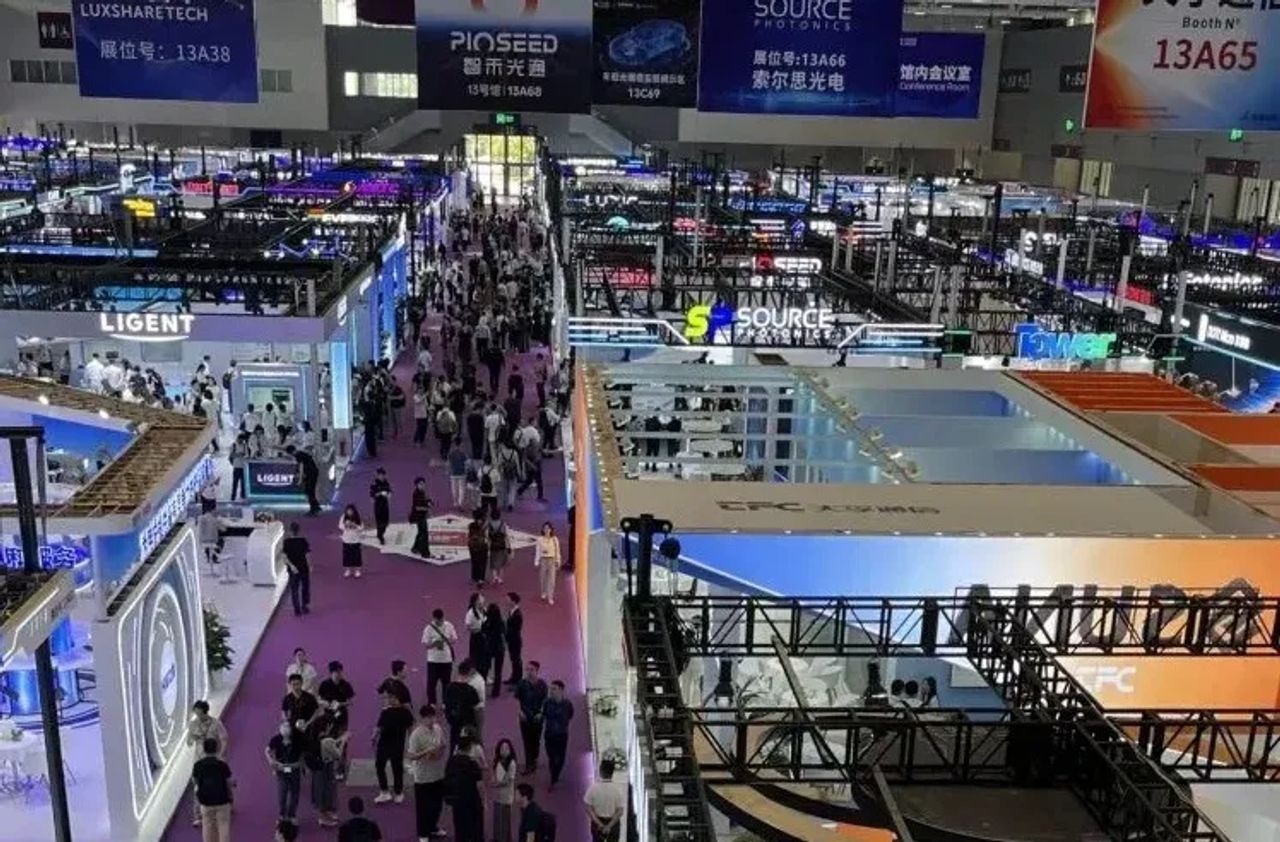
The silicon photonics thread is the sleeper story. Optical interconnect ICs moving toward 3.2T-class throughput address the bottleneck everyone building AI clusters now faces: it is no longer compute-bound, it is bandwidth- and power-bound between chips. Copper is running out of room, and the shift to co-packaged optics restructures the bill of materials for every large training system. Meanwhile record server-market revenue and sustained LPDDR5X demand confirm the memory cycle has flipped from glut to scarcity, which will keep hardware costs elevated well into next year.
For Japan, the read splits along two lines. On the upside, Japanese materials and equipment players sit upstream of all three trends. Photonics packaging, advanced substrates, and memory-grade materials are areas where Japanese suppliers hold defensible positions, and a 2nm ramp plus optical interconnect adoption pulls demand straight through them. Rapidus's own 2nm ambitions gain credibility from this broadening of leading-edge customers, though execution risk remains the honest caveat.
For Japanese enterprises and SIers, the implication is subtler but real. Rising memory and advanced-silicon costs feed directly into on-premise AI infrastructure pricing. Firms that assumed local GPU and inference build-outs would keep getting cheaper should revisit their capex models now. SIers advising clients on hybrid AI architecture should treat the hardware cost curve as an active variable, not a footnote, and factor optical-interconnect roadmaps into any multi-year datacenter design.
The strategic takeaway: the AI story is quietly migrating back down the stack, from models to the physics of moving data. Decision-makers who treat silicon and interconnect supply as a boardroom concern rather than a procurement detail will price risk more accurately over the next two years.