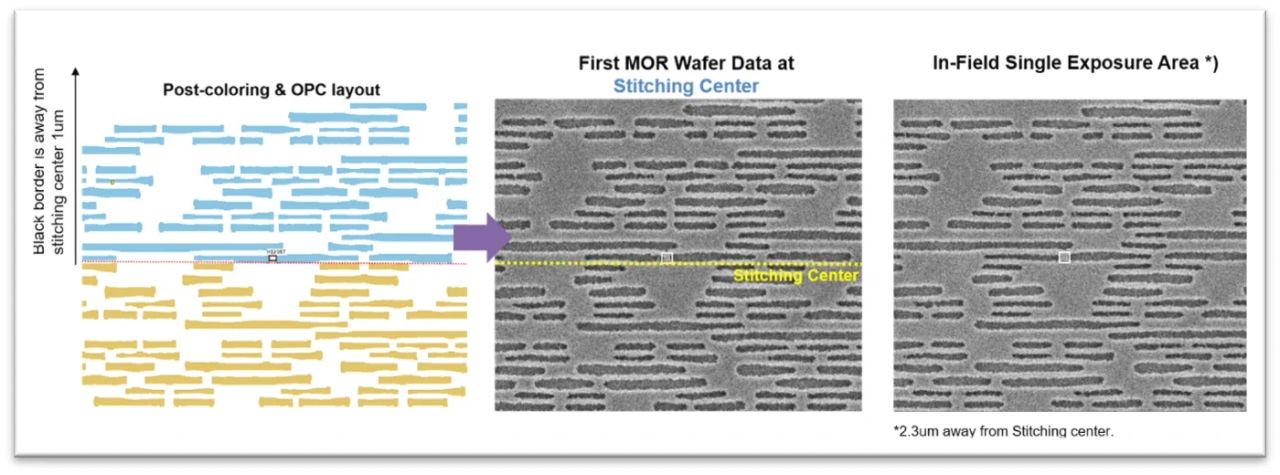
The quiet constraint on advanced semiconductor development is no longer imagination or even capital—it is the fidelity of the feedback loop between design assumptions and how silicon actually behaves. At leading nodes, physics stops cooperating with idealized models, and the gap between a promising lab result and a manufacturable process widens with every shrink. The firms that close that gap fastest are the ones sitting on the richest, cleanest data from real fabrication runs.
That reframes where competitive advantage lives. It is drifting away from any single breakthrough and toward the plumbing: whether foundries, EDA vendors, materials suppliers, and equipment makers can pool realistic process data and learning from production. No one player now generates enough signal alone. This is why 'collaboration' is not a soft value statement but an economic structure—the cost of a wrong process assumption at 2nm is measured in months of lost cycles and billions in idle capacity. Data governance, cleanroom-to-model pipelines, and trust between partners become the real infrastructure of innovation.
For Japan, this cuts uncomfortably close to a historical weakness. The country's strength is overwhelmingly upstream—materials and equipment where its suppliers are genuinely hard to replace—while leading-edge production has been thin until the Rapidus 2nm effort and TSMC's Kumamoto fabs. Japan has long produced excellent research and struggled to convert it into volume manufacturing at speed. A model where advantage comes from tight, data-driven research-to-production loops is precisely the muscle Rapidus must build with its foreign partners, not just the tooling.
For Japanese enterprise IT and SIers, the implication is less about chips and more about the pattern. The value in complex systems is migrating toward whoever operationalizes messy real-world data into reliable feedback loops. SIers that treat data pipelines, quality assurance, and cross-organizational data sharing as core deliverables—rather than afterthoughts bolted onto integration projects—will be positioned for the manufacturing-tech, materials-informatics, and industrial-AI work flowing out of Japan's semiconductor revival. Those still selling headcount-based delivery will find the premium work moving elsewhere.