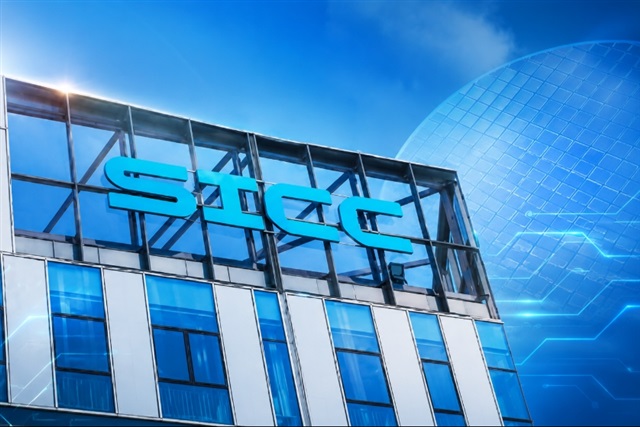
SICC crossing the threshold where 8-inch wafers exceed half of its core substrate revenue is less a quarterly milestone than a signal that SiC has entered its cost-down phase. The economics of substrates hinge on die-per-wafer yield, and each step up in diameter compounds usable area while diluting fixed process costs. When a Chinese supplier proves it can run 8-inch at scale, the marginal cost of SiC power devices bends downward for the entire value chain, from traction inverters to the high-voltage power stages now creeping into AI data centers.
The global implication is a widening price and capacity gap. SiC has been supply-constrained and premium-priced, which limited it to flagship EVs and select industrial uses. Cheaper, larger substrates change the addressable market: mid-tier EVs, fast chargers, grid infrastructure, and the 800V-and-up power delivery increasingly needed to feed GPU clusters. It also intensifies a strategic dependency question, since substrate supply is concentrating in China at exactly the moment Western device makers are betting on SiC volume. Expect margin compression for merchant substrate vendors and a scramble by device houses to secure long-term wafer agreements or vertical integration.
For Japan, this cuts close. Rohm, Mitsubishi Electric, Fuji Electric, and Toshiba have staked significant capital on SiC as a differentiator in automotive and industrial power, and Japanese device leadership has historically leaned on tight substrate control and quality. A Chinese cost curve on 8-inch substrates threatens that positioning by turning a scarce input into a more commoditized one, eroding the premium Japanese suppliers can command. The defensive move is to accelerate their own 8-inch transitions and lean harder on device-level packaging, reliability, and system integration where Japanese firms still hold real advantages.
For Japanese SIers and enterprise IT teams, the second-order effect matters more than the wafer itself. Cheaper SiC lowers the power-conversion cost of dense compute, which feeds directly into data-center refresh economics and the domestic AI-infrastructure buildout that GPU-hungry projects require. SIers advising manufacturers should treat substrate-size roadmaps as a procurement risk variable, not a niche materials detail, since supply concentration and pricing swings will ripple into automotive software platforms, energy-management systems, and the capex models behind local AI hosting.