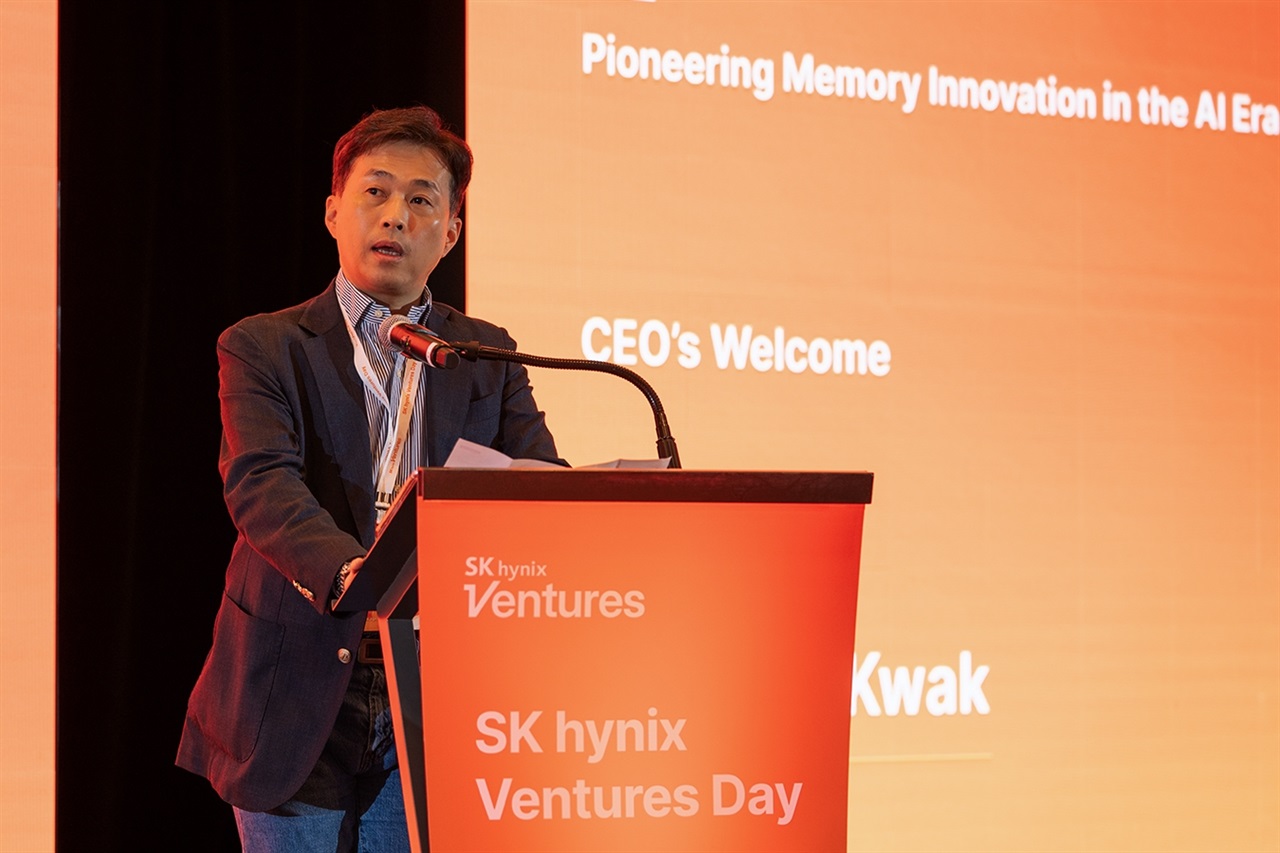
SK hynix has stood up a corporate venture arm, SK hynix Ventures, and pushed its investment mandate beyond chips into AI computing, data centers, system software, and optical interconnect. The tell is where the money is pointed: not inside its own products, but beside and above them.
That placement is the whole story. In the AI datacenter, the scarce resource is no longer raw memory density but the ability to move data between accelerators fast enough to keep them fed. HBM already sells out on allocation, so the marginal dollar of system value is migrating to the interconnect fabric and the software that schedules it. By buying optionality in optical interconnect and system software, SK hynix is hedging against the classic component-maker trap: winning the chip while watching integrators capture the margin. A CVC lets it learn the adjacent stack, seed future customers, and pre-position for co-packaged optics without betting the balance sheet.
Strategically, this mirrors what Nvidia understood early: whoever controls the connective tissue controls the roadmap. Memory vendors have historically been price-takers riding brutal cycles. Moving up-stack is an attempt to convert a commodity position into a systems position, where relationships and reference designs create pricing power that DRAM never did.
For Japan, the read is pointed. Kioxia and the domestic memory ecosystem face the same commoditization gravity but lack an equally aggressive up-stack venture posture, which risks leaving them as pure suppliers into architectures others define. The brighter angle sits in photonics: Japanese makers of optical components, lasers, and precision materials are deeply embedded in the interconnect supply chain, and a memory giant funding this layer validates demand they can serve. For Japanese SIers and enterprise dev teams, the signal is that AI infrastructure competence is shifting from procuring boxes to engineering data movement and software-defined fabrics; the integration skills that matter are moving closer to networking and systems software.
Expect more component leaders to build venture arms aimed one layer above their core. The winners of the compute buildout will be the firms that treat bandwidth, not silicon, as the product.