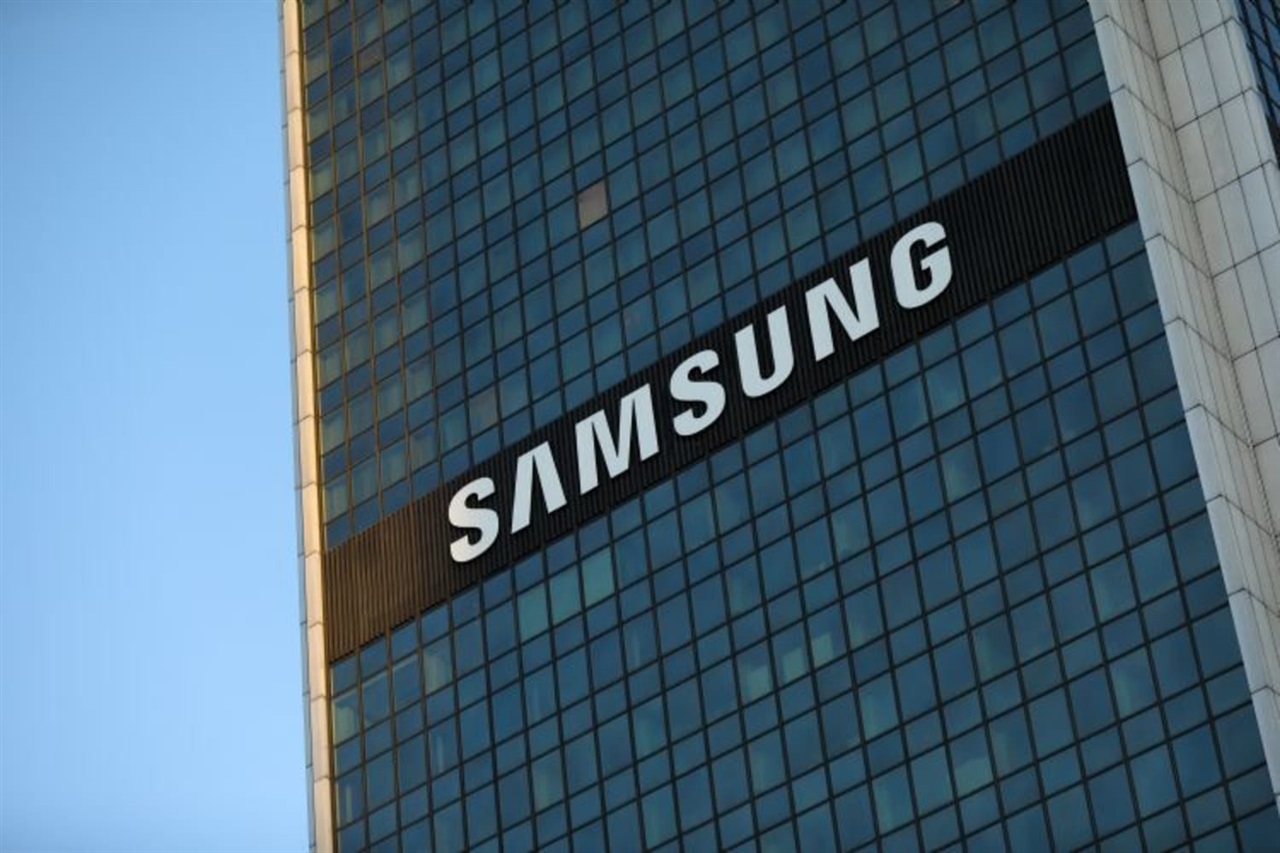
SK Hynix is studying whether to advance its planned Gwangju cluster in parallel with the Yongin megasite rather than sequencing them, a shift that would reshape the timing of capital outlays.
The strategic tell here is not the headline capex but the sequencing. Running two fabs concurrently is a hedge against memory's brutal cycle timing: HBM demand tied to AI accelerators is front-loaded and volatile, and a parallel buildout gives SK Hynix optionality to ramp whichever site clears environmental, power, and grid approvals first. But parallel construction strains a finite pool of capital, skilled labor, and long-lead tools. The critical unknown for the supply chain is fungibility of budget. If Gwangju is genuinely additive, it expands the total order pool. If it merely pulls forward and redistributes spend earmarked for later Yongin phases, equipment vendors see churn in delivery schedules, not incremental revenue. Toolmakers price these outcomes very differently.
This is where the Japanese read matters. Japan's semiconductor production equipment cohort — the lithography-adjacent, deposition, etch, cleaning, test, and dicing specialists that anchor the sector — carries meaningful exposure to Korean memory capex. A parallel-build decision changes their forecasting problem from 'how big' to 'when and where,' which hits book-to-bill visibility and inventory planning. Vendors dependent on lumpy Korean orders should stress-test scenarios where Gwangju absorbs rather than adds, because a reshuffle can look like a soft patch in reported bookings even when lifetime demand is intact.
For Japanese suppliers, the defensive move is diversification of the customer mix — deepening ties to domestic fab investment and to non-memory logic buildouts — so that a single Korean scheduling decision does not dictate a quarter. For Japanese trading houses and materials firms embedded in the Korean supply chain, parallel construction is a near-term positive on consumables and gases if both sites break ground, but it raises concentration risk that boards should be watching now.
The broader signal for enterprise and investor readers: memory players are increasingly building for optionality against AI-demand uncertainty rather than committing to linear roadmaps. That behavior compresses forecasting horizons across the entire tool and materials chain, and it rewards suppliers with flexible capacity and broad customer diversification over those levered to one anchor account.