The operating fact is deceptively simple: to guarantee uptime, AI data centers wire dual redundant power feeds, and the safety margin that keeps servers running also freezes capacity that could otherwise energize more silicon. In a world where power, not chips, is fast becoming the binding constraint on AI, that idle headroom is no longer an engineering footnote. It is a balance-sheet problem.
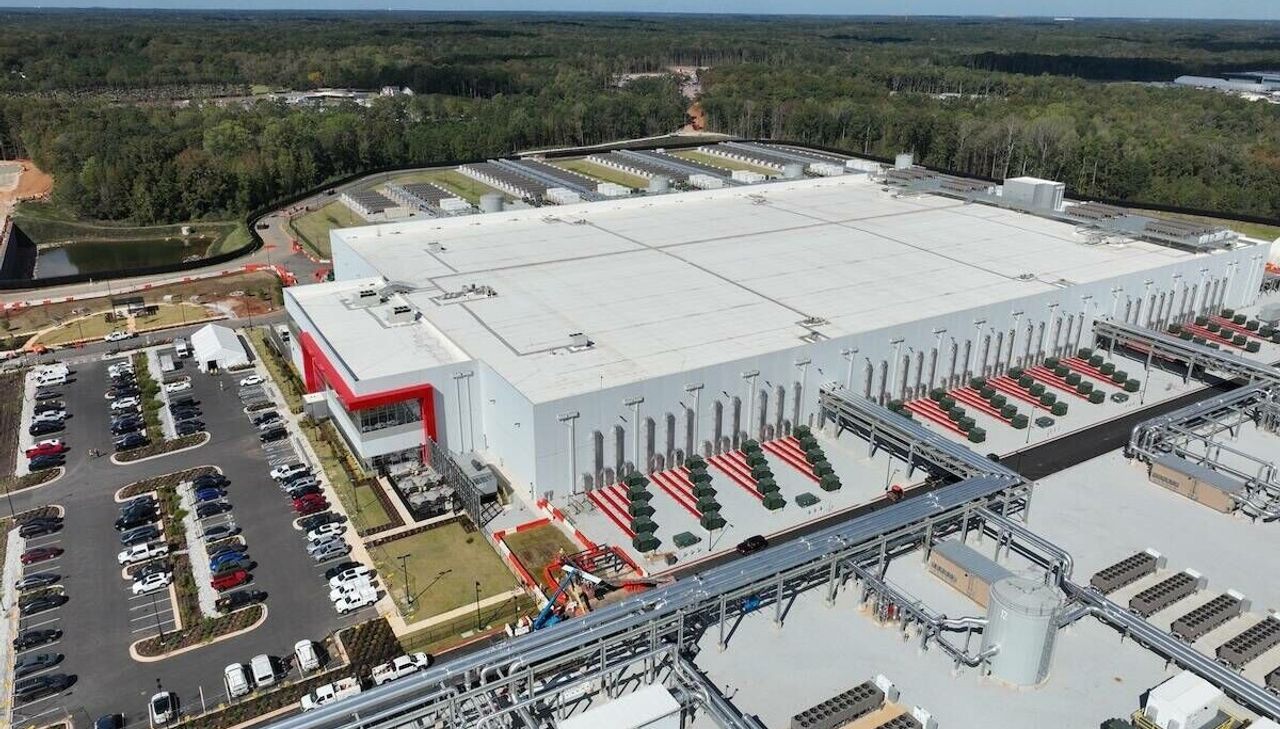
The timing sharpens the point. Tata Consultancy Services just committed roughly $7.4B to a one-gigawatt AI facility in southern India, and financing keeps pouring into compute providers scaling out capacity. But a gigawatt of contracted power does not mean a gigawatt of compute. Once you subtract redundancy reservations, cooling overhead, and conservative utilization buffers, the deliverable compute density can fall well short of the nameplate figure. Operators who close that gap through smarter power topology, dynamic feed sharing, or software-defined capacity allocation effectively manufacture new compute without pouring new concrete or signing new grid contracts. That is the next efficiency frontier, and it favors those who treat power engineering as a core competency rather than a facilities line item.
The competitive read is that the buildout race will not be won purely by who signs the biggest power purchase agreements. It will be shaped by who extracts the most usable compute per contracted megawatt. Capital is abundant; grid interconnects, transformers, and permitting are not. Stranded capacity is a silent tax on every operator, and reclaiming it is cheaper than building the next campus.
For Japan, this cuts especially deep. Domestic electricity costs rank among the highest in the developed world, grid capacity is tight, and suitable land near stable power is scarce. Japanese operators and the SIers building AI infrastructure for enterprise clients cannot simply out-build the constraint the way hyperscalers in India or the US Sun Belt might. That makes power-utilization engineering a genuine differentiator here. SIers that can deliver higher effective compute density per megawatt, through intelligent redundancy design and capacity orchestration, will win infrastructure mandates that pure construction scale cannot.
The practical takeaway for Japanese decision-makers: when evaluating AI data center investments or vendor proposals, scrutinize the ratio of usable compute to contracted power, not the headline capacity. In a power-constrained market, the operator who wastes the least will quietly out-compete the operator who builds the most.