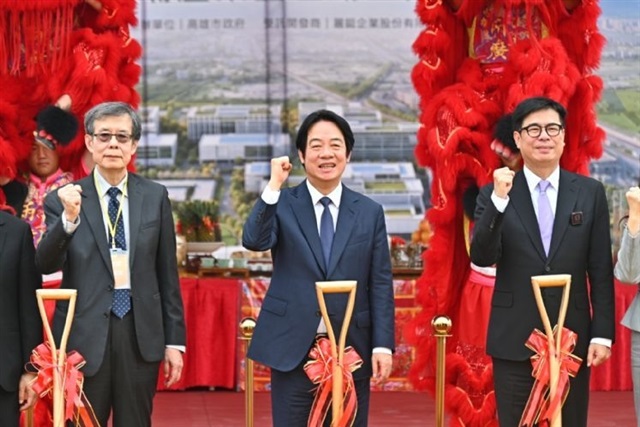
Taiwan broke ground on the Baipu Industrial Park near Kaohsiung, drawing more than 20 supply-chain firms including TSMC to seed an advanced-packaging cluster in the island's southern semiconductor corridor.
The strategic signal matters more than the ceremony. As transistor scaling delivers diminishing returns, the industry's performance gains increasingly come from how chips are assembled rather than how small they are made. Advanced packaging—chiplets, 2.5D interposers, hybrid bonding—has moved from a back-end afterthought to the front line of competition, and it is precisely the layer where AI accelerators live or die on interconnect density. By concentrating packaging suppliers geographically, Taiwan is trying to compress the logistics and yield-learning loops that make this work economically viable at scale, reinforcing a moat that pure-play foundry rivals and US onshoring efforts have struggled to replicate.
The global implication is a subtle shift in where leverage sits. If the value is migrating from lithography toward assembly and test, then materials, precision equipment, and interconnect expertise become chokepoints. That reshuffles the risk map for anyone building AI infrastructure: capacity bottlenecks may show up not at the wafer, but at the package. Buyers procuring accelerators over the next several years should model packaging supply as a distinct constraint, not a rounding error inside foundry lead times.
For Japan, this is a rare structural opening rather than a threat. Japanese firms hold entrenched positions across packaging substrates, bonding equipment, dicing and grinding tools, and specialty chemicals—exactly the inputs a cluster like Baipu will consume in volume. The clearest winners are equipment and materials suppliers that can co-locate engineering support near Kaohsiung and shorten their qualification cycles with TSMC and its ecosystem. The risk is complacency: incumbency in materials does not guarantee incumbency in the next bonding architecture, and Korean and Taiwanese challengers are investing hard.
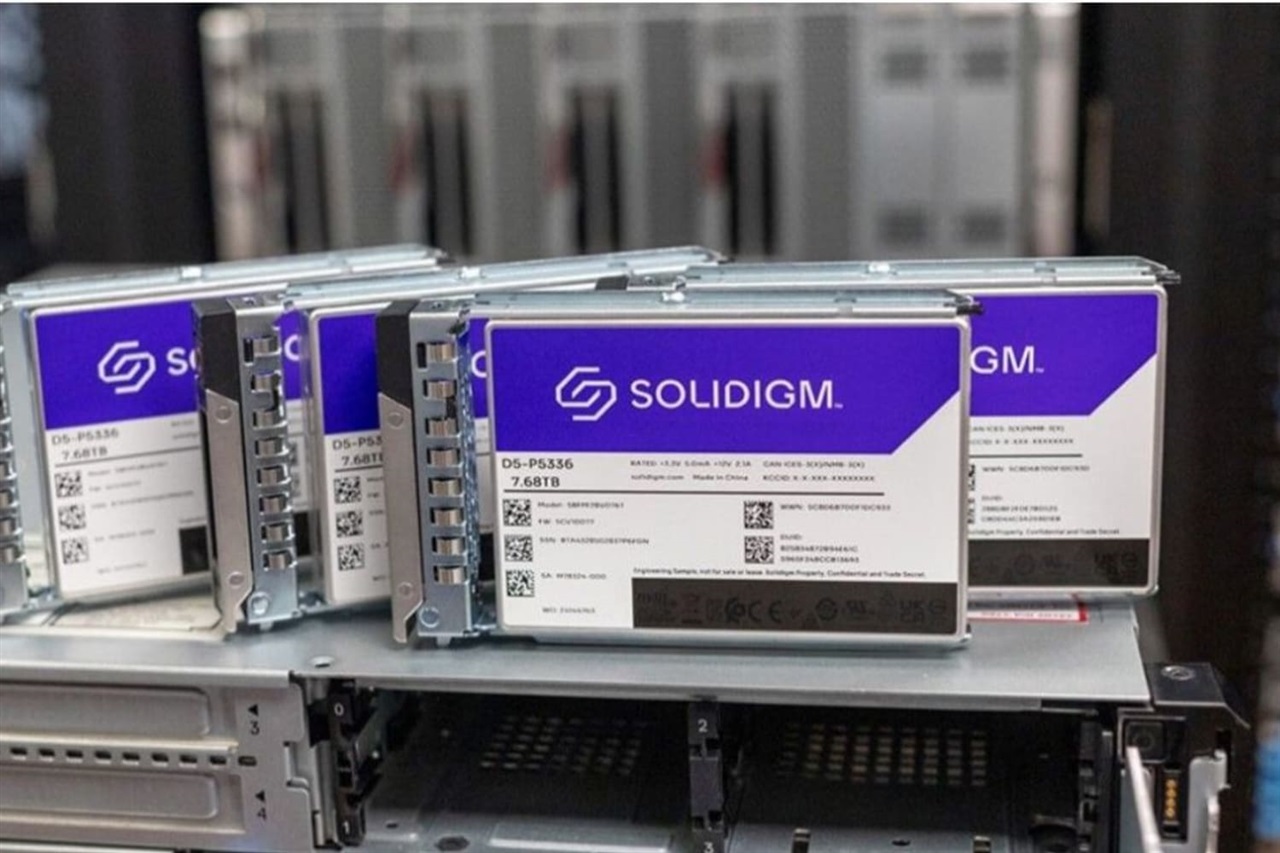
For Japanese SIers and enterprise IT teams, the second-order effect is procurement discipline. As advanced-packaging capacity concentrates offshore, GPU and accelerator availability for on-premise AI builds will track packaging throughput as much as chip design. Teams planning private AI clusters should build longer, more explicit lead-time assumptions into capacity roadmaps and diversify supplier commitments rather than assuming a single fulfillment path.