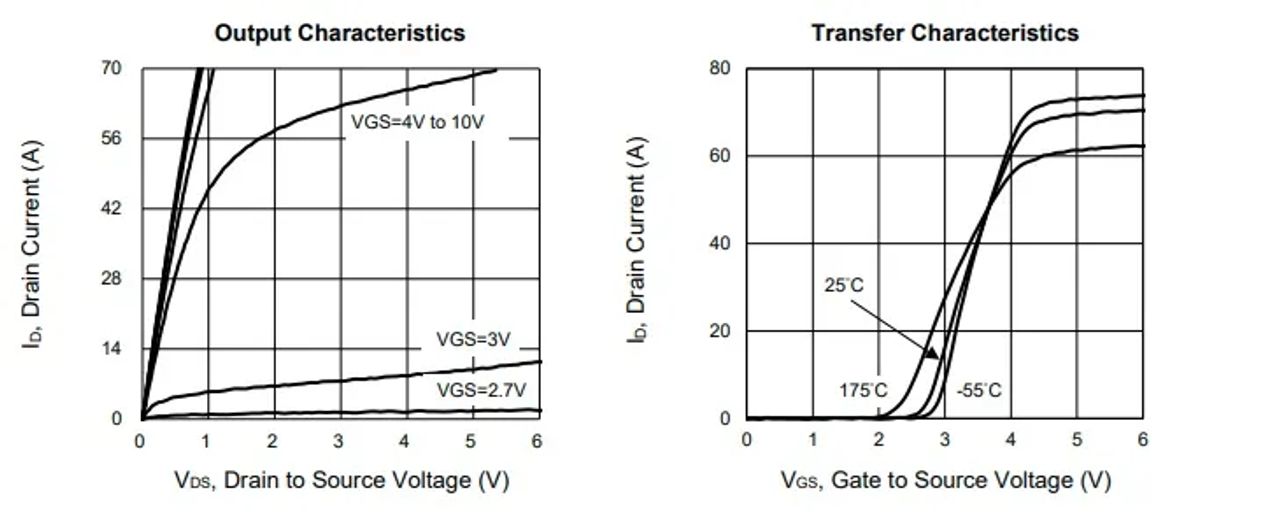
Taiwan Semiconductor is expanding its TQM Series with automotive-qualified (AEC-Q) 60V dual n-channel power MOSFETs built for pin-compatible drop-in replacement of common package types. The move looks modest on paper, but it targets one of the fastest-growing pools of silicon content in the industry: power management inside increasingly electrified, sensor-laden vehicles.
The strategic tell here is 'drop-in compatibility.' In power discretes, incumbency is sticky because every design win is locked into a validated bill of materials and a qualification cycle that can run years. By matching existing footprints, a challenger sidesteps the redesign barrier and competes purely on price, availability, and lead time. That is a direct assault on margin for established suppliers, and it accelerates the commoditization of mid-voltage power silicon just as demand climbs for 48V architectures, ADAS modules, and body electronics.
Globally, this reinforces two trends. First, automakers scarred by the 2021-2022 shortage are institutionalizing multi-sourcing, and a compatible second source is exactly what procurement teams now demand. Second, the value in power semiconductors is bifurcating: high-end silicon carbide and gallium nitride for traction inverters command premiums, while the vast layer of low- and mid-voltage MOSFETs faces relentless cost pressure from a widening supplier field.
For Japan, the implications land squarely on the domestic power-semiconductor base. Rohm, Toshiba, Fuji Electric, Mitsubishi Electric, and Renesas have long treated automotive discretes as defensible territory anchored by deep tier-1 relationships with Denso, Aisin, and the OEMs. Pin-compatible challengers erode that moat from below, forcing Japanese makers to defend on reliability track record and application support rather than lock-in. Expect the incumbents to lean harder into SiC and integrated power modules where switching costs stay high.
Japanese tier-1 suppliers and automakers, meanwhile, are net beneficiaries. More qualified, interchangeable sources strengthen business-continuity planning and give purchasing leverage in negotiations. The practical task for Japanese engineering teams is qualification bandwidth: validating alternate parts consumes scarce reliability-testing resources, so the firms that build efficient dual-sourcing pipelines will convert this supplier abundance into genuine resilience rather than paperwork.