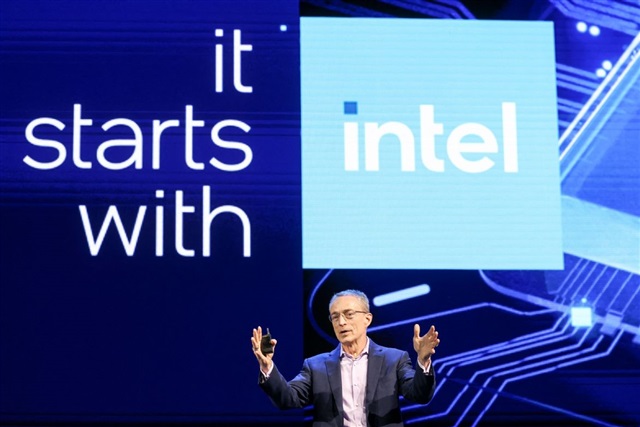
Pat Gelsinger's jab that HBM is "lousy" and SK Hynix's own admission that it is not memory's final answer say more about physics than about product failure. Stacking DRAM dies and wiring them to a GPU through an interposer was always a brute-force fix for a bandwidth wall, not an elegant one. The honest read: the industry knows HBM is a costly, thermally punishing, yield-hungry compromise, and it still has no manufacturable replacement at scale. That gap between critique and alternative is precisely where the risk sits.
Globally, this reframes the memory-price surge now hitting PCs and servers. When the market leader signals that today's architecture is a bridge rather than a destination, capacity planning gets harder. Foundries and memory makers must keep pouring capex into a technology they publicly call transitional, while buyers face rising prices with no assurance that next-gen options (custom HBM base dies, processing-in-memory, optical interconnects) arrive on any predictable timeline. For hyperscalers already squeezed by power and cooling limits, memory becomes the second binding constraint on how fast AI capacity can grow.
The strategic signal for executives is timing risk, not technology risk. Anyone architecting a multi-year AI infrastructure bet is buying into a component whose own suppliers are hedging. That argues for flexibility over lock-in: modular designs, multi-sourcing, and workloads that can tolerate a memory-architecture shift mid-cycle.
For Japan, the exposure is unusually direct. The country sits deep in the HBM supply chain rather than at its edges. Materials, photoresists, precision packaging equipment, and testing gear from Japanese suppliers are embedded in every HBM stack, so sustained demand is near-term revenue even if the architecture is transitional. The strategic question is whether Japan's materials and equipment firms are investing R&D against HBM's successors, or optimizing for a platform the market has flagged as temporary.
For Japanese enterprises and SIers, the practical fallout is procurement math. Rising memory costs flow straight into GPU server pricing and cloud AI bills, pressuring the ROI case for on-prem AI buildouts that many large Japanese firms still prefer for data-sovereignty reasons. SIers advising on AI infrastructure should model memory-price volatility explicitly, favor cloud-burst hybrids over fixed hardware commitments, and treat 2026-27 memory roadmaps as a live variable in any capacity plan rather than a settled assumption.