The headline number matters, but the metric matters more. YMTC reaching third place in NAND with a 14 percent share is measured in units shipped, not revenue, and that distinction carries the whole story. Unit leadership tends to reward players concentrated in mainstream, lower-density parts, while the profit pool sits in high-layer-count, high-margin product sold to hyperscalers and premium handset makers. So YMTC's rise is real and structurally significant, yet it is not the same as displacing Samsung or SK Hynix from the value tier they still command.
The global read is about trajectory. Despite US export controls on advanced tools, a Chinese memory maker has scaled 3D NAND output fast enough to leapfrog two established incumbents on volume. That signals China's domestic memory ecosystem is maturing under sanctions rather than stalling, and it reshapes pricing dynamics at the commodity end of the market. For buyers, more supply from a subsidized entrant can soften prices in client SSDs and mainstream flash. For the incumbent oligopoly, it complicates the disciplined-capacity strategy that has kept memory cycles more rational in recent years.
The sharpest implication runs straight to Japan. Kioxia, the successor to Toshiba's memory business and a national semiconductor asset, is precisely the incumbent being pushed down the unit rankings. Kioxia's recent listing was pitched on an AI-memory demand story, and losing volume rank to a state-backed rival complicates that narrative even if its revenue mix holds. The strategic question for Tokyo is whether Kioxia and its partner defend share on price or retreat upmarket into enterprise and AI-grade NAND, where margins are defensible but competition with the Korean leaders is fiercer.
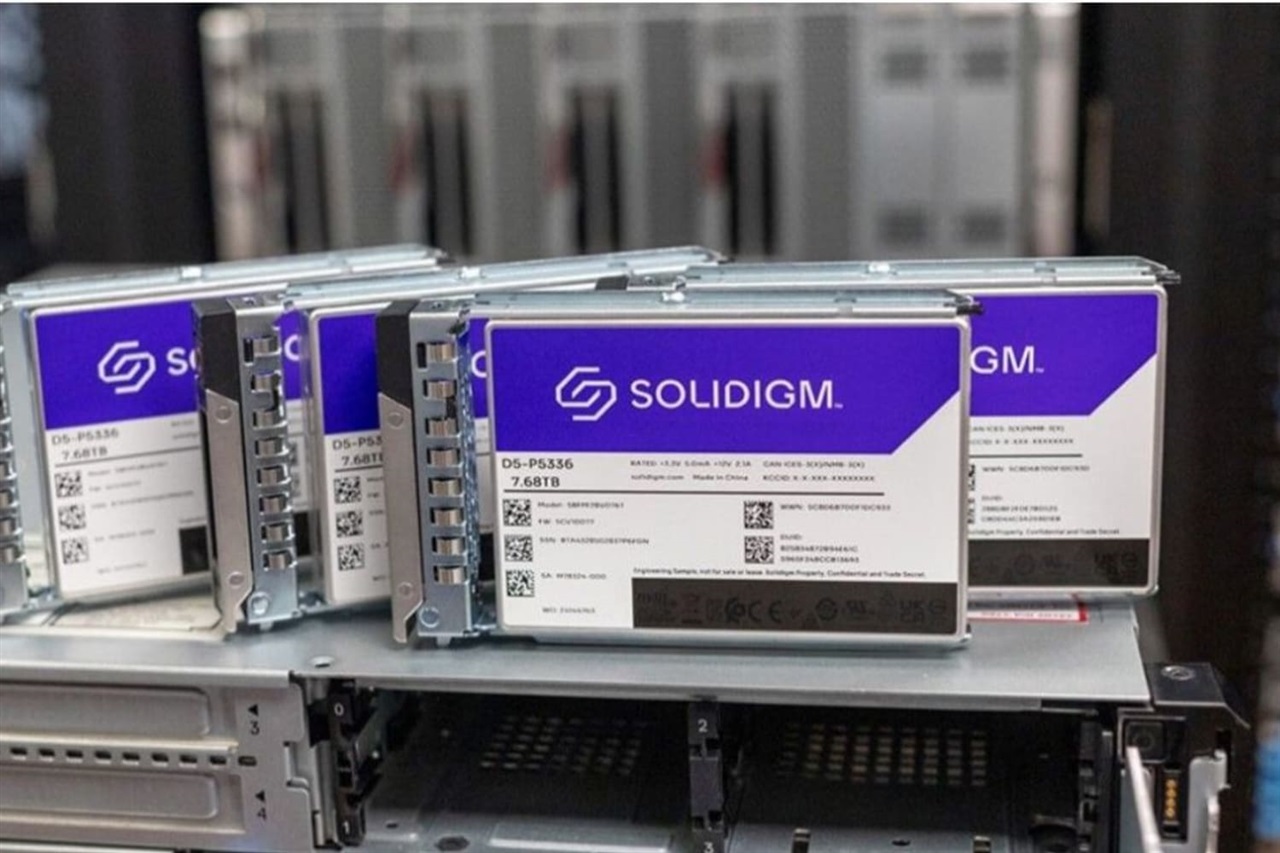
For Japanese enterprises, SIers, and infrastructure planners, the second-order effect is procurement risk. A more crowded, more geopolitically split NAND supply base means storage sourcing becomes a security and continuity decision, not just a cost line. Government and regulated buyers will increasingly screen against Chinese-origin memory, which fragments the supply chain and can raise effective costs even as headline commodity prices ease. Data-center and RPA-heavy operations scaling storage should model dual-sourcing and qualify Kioxia-tier parts now, before AI-driven demand and the concurrent DRAM price surge tighten the entire memory market into 2026.