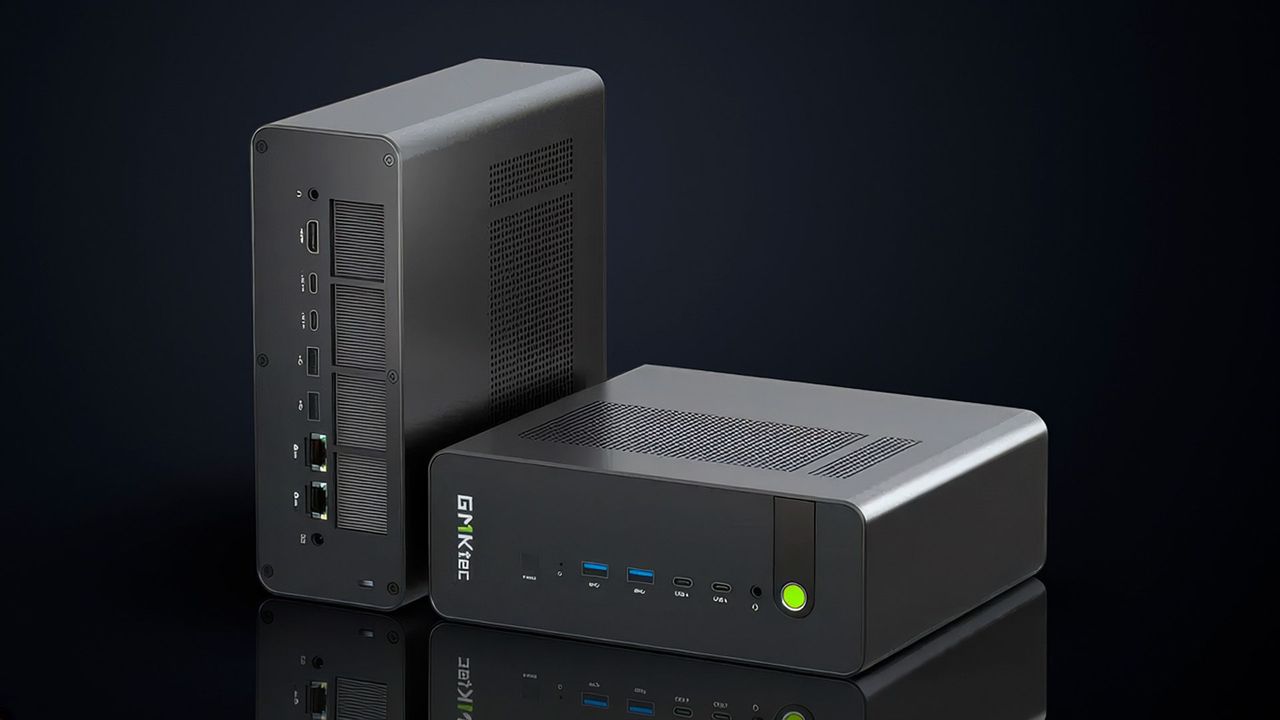
A pre-built machine combining AMD's Ryzen 7 9800X3D, an RTX 5080 Founders Edition, 32GB of DDR5-6000, and a 1TB PCIe 4.0 SSD landing at $2,299 through mass retail is less a doorbuster than a market signal. When a Founders Edition GPU that spent much of its early cycle in scalper territory shows up inside a fully assembled system at a whole-machine price, it tells you supply has caught up to demand and that OEMs are competing on the bundle rather than the component. The strategic read: the acute GPU scarcity that defined the last two hardware generations is normalizing at the enthusiast tier, even as it stays brutal at the datacenter tier where the same silicon families feed AI training.
Globally, this bifurcation matters. Gaming and creator hardware is deflating in real terms while frontier compute keeps absorbing capital, as the parallel wave of gigawatt-scale datacenter commitments makes clear. That divergence pushes GPU vendors to protect margin by steering allocation toward enterprise accelerators, leaving the consumer channel to clear inventory through aggressive bundling. For buyers, it means the best value now sits in complete systems, not standalone cards — a reversal from the DIY-first logic that dominated for a decade.
For Japan, the calculus is distorted by the weak yen. A $2,299 sticker in the US rarely translates cleanly to a comparable domestic price; import costs, thinner retail competition, and currency drag typically push equivalent specs higher, which sustains the position of local BTO builders who assemble to order and hedge component timing. Japanese enthusiasts and small studios have historically paid a premium for the same silicon, so easing global supply is welcome but partially eaten by FX.
The more interesting angle is workstation adoption. Japanese development teams, indie game shops, and SIers building AI-assisted tooling increasingly need local GPU capacity for inference, fine-tuning, and rendering that they would rather not route to metered cloud. A 16GB-class consumer GPU at commodity pricing becomes a credible on-desk dev box for prototyping, and normalizing supply lowers the friction of standing up such fleets. SIers advising cost-sensitive clients should treat cheap high-end consumer hardware as a legitimate line item against cloud GPU bills, while recognizing that memory ceilings still cap serious model work — pushing the heavy lifting back to the datacenter capacity everyone is racing to build.