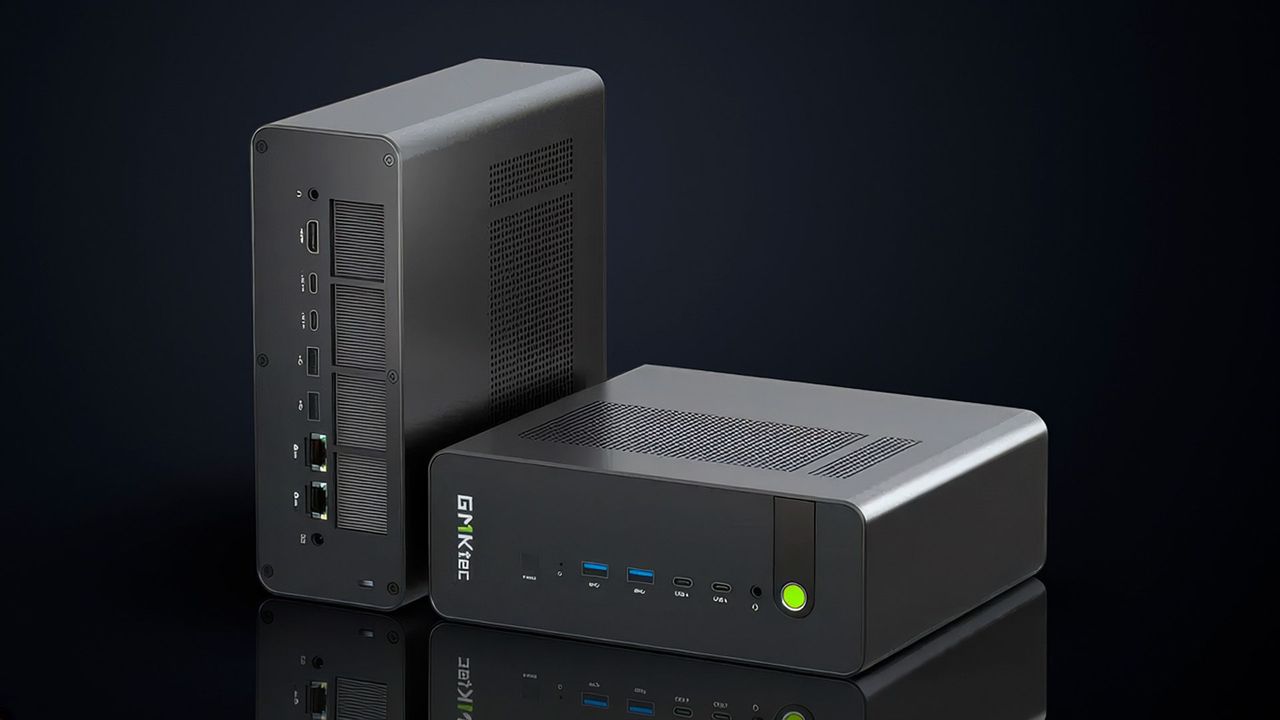
Newegg is discounting prebuilt Andromeda Insights systems configurable with a Ryzen 7 9800X3D and RTX 5080, bundling two free game titles. The eye-catching numbers matter less than the signal underneath: aggressive promotions on high-spec builds are running against a memory market that is tightening, not loosening.
The global read is counterintuitive. Retail discounts usually mean falling costs, but here they coexist with a DRAM squeeze that is pushing component prices in the opposite direction. What retailers are really doing is clearing high-margin channel inventory and locking in buyers before memory-driven cost inflation forces list prices up. For anyone tracking client-compute economics, this is a leading indicator: GPUs and CPUs may hold, but memory is becoming the swing factor in system pricing. AI datacenter demand for HBM and high-density modules is cannibalizing the same fab capacity that serves consumer DRAM, and that structural competition rewards whoever buys ahead of the curve.
The enterprise implication is procurement timing. If memory pricing keeps climbing, the cost of PC refresh cycles, workstation fleets, and on-prem server upgrades rises with it. Hardware buyers who treat these promotions as opportunistic rather than routine will protect their budgets; those who defer will pay the inflation premium later.
For Japanese enterprises and SIers, the exposure is direct. Japan's corporate hardware market runs on multi-year lease and refresh contracts, and a sustained DRAM shortage complicates the fixed-price bids that SIers build their margins on. When memory costs move mid-contract, the integrator absorbs the gap unless escalation clauses exist. Procurement teams at large SIers should be revisiting component-price assumptions in active RFPs now, not at renewal. There is also a strategic angle for Japan specifically: with domestic memory and advanced-packaging investment expanding under national semiconductor policy, a prolonged shortage strengthens the case for local supply resilience rather than pure cost-led offshore sourcing.
For development teams, the practical takeaway is that high-memory local workstations for AI-assisted coding, model fine-tuning, and containerized dev environments are getting structurally more expensive. That quietly shifts the build-versus-cloud calculation. Teams weighing on-prem GPU workstations against cloud instances should factor rising local hardware costs into a re-run of that math, because the shortage tilts the economics toward managed cloud compute more than the raw specs suggest.