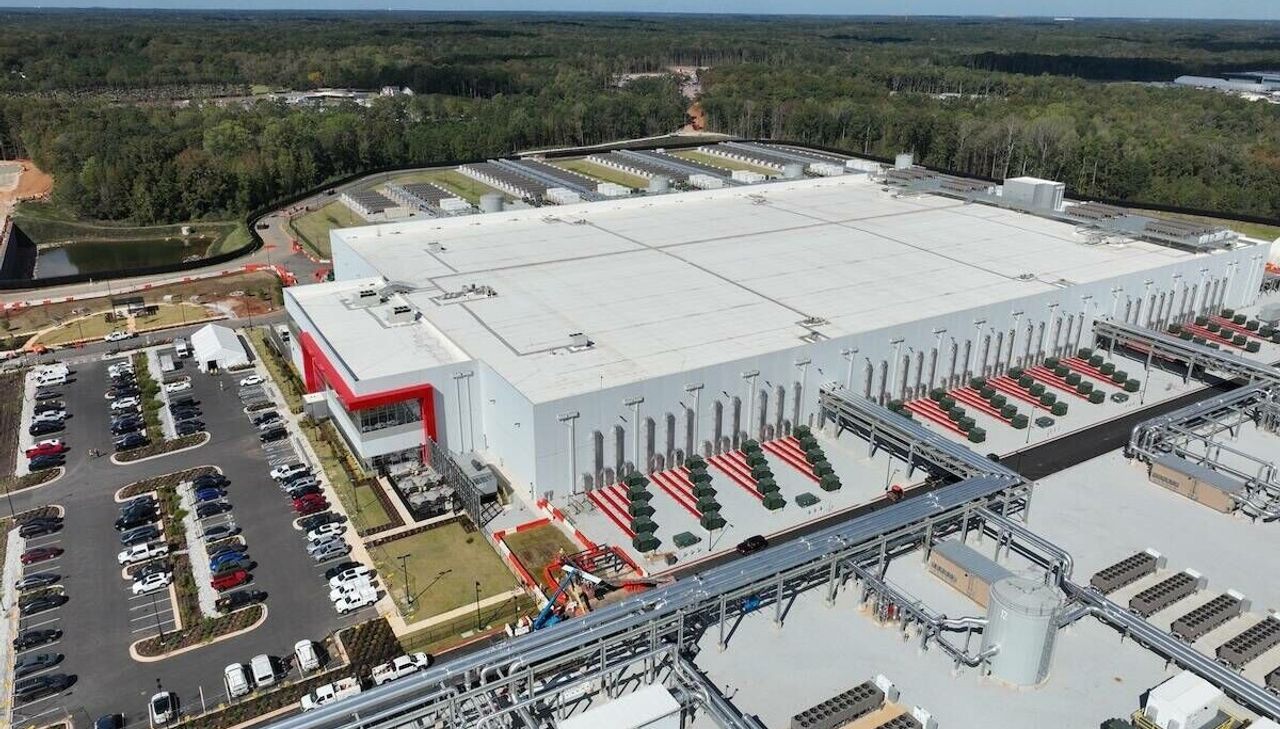
The move to 800-volt DC distribution inside AI data centers is a direct consequence of physics: gigawatt-scale campuses filled with megawatt racks can no longer afford the copper losses and conversion stages of legacy AC designs. Higher voltage cuts current, current cuts heat and cable mass, and that math is now unavoidable at frontier compute densities.
The problem is that DC at this voltage behaves nothing like the low-voltage systems facility teams grew up with. DC arcs do not self-extinguish at a zero-crossing the way AC arcs do, which makes fault interruption, breaker design, and connector engineering genuinely harder. A single sustained arc becomes a fire and an outage, and at these power levels an outage measured in minutes translates into meaningful revenue and training-run losses. Layer on the thermal reality that the chips themselves run hot enough to become failure points, and the reliability envelope narrows sharply. The strategic takeaway for operators is that power architecture, not GPU allocation, is emerging as the real constraint on how fast capacity can be safely commissioned.
This reshapes the vendor landscape. The winners are less likely to be pure IT suppliers and more likely to be power-electronics and protection specialists who can certify safe 800VDC switchgear, solid-state breakers, and connector standards at scale. Expect procurement to shift budget toward electrical resilience, and expect insurers and regulators to start asking harder questions about DC fault protection.
For Japan, this is squarely in the wheelhouse of domestic strengths. Japanese power-electronics and heavy-electrical firms have deep credibility in high-voltage switching, thermal management, and industrial safety certification, and 800VDC gives them a differentiated export story rather than a commodity server play. The risk is speed: Japan's data center expansion around Tokyo and Osaka is accelerating under AI demand, and grid constraints plus conservative facility-engineering culture could slow the adoption of an architecture the hyperscalers are already standardizing on.
For Japanese SIers and infrastructure integrators, the message is that AI infrastructure work is drifting away from rack-and-stack toward electrical-system integration and operational safety design. Teams that treat power delivery, arc-fault protection, and thermal orchestration as first-class engineering disciplines, rather than facilities afterthoughts, will own the high-margin layer of the domestic AI buildout. Those that keep framing data centers as IT projects will find the value has moved upstream to where the current flows.