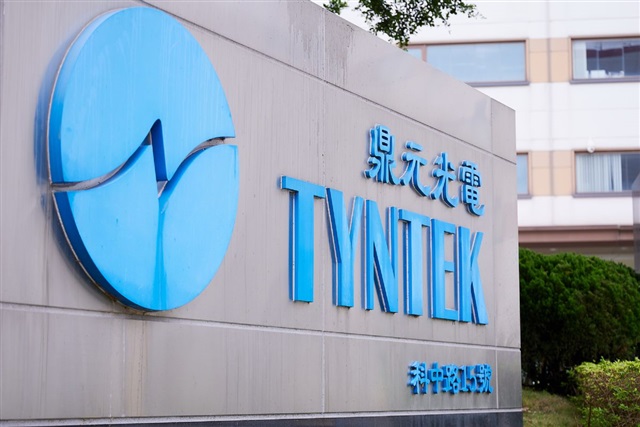
Tyntek is tripling monthly optical-component capacity to 1,500 wafers by the end of 2027 and adding an NT$1.2 billion (US$37.7 million) line, with shipments rising from the third quarter on firm orders from a major US customer. The specifics matter less than the pattern they confirm: the AI capital cycle is no longer just about GPUs. Once thousands of accelerators sit inside a single cluster, the binding constraint becomes how fast you can move data between them. That has pulled optical transceivers, photodiodes, and the compound-semiconductor components inside them into the same demand vortex that made HBM and advanced packaging scarce.
The strategic read is that optical interconnect is becoming a structurally short market with pricing power for whoever holds capacity. Hyperscalers are locking multi-year supply the way they once locked foundry allocation, and a mid-tier component maker landing a named US anchor customer is a signal of how aggressively that scramble is moving down the stack. The risk for buyers is the same one that plagued the GPU era: lead times measured in quarters, capacity commitments made years ahead of visibility, and the possibility of a whiplash correction if data-center orders soften. For suppliers, the opportunity is a margin re-rating, exactly what Tyntek is telegraphing.
For Japan, this is both an opening and a warning. Japanese firms retain deep strength in the optical and photonics layer, precision optics, lasers, connectors, and the materials feeding transceiver production, precisely the segment now in demand. But strength in components does not translate automatically into strategic position if the design wins and volume commitments are being written in the US and Taiwan. The question for Japanese suppliers is whether they capture this cycle as premium specialists or watch faster-moving Taiwanese and US players absorb the volume.
For Japanese data-center operators and the SIers building AI infrastructure for domestic enterprises, the lesson is procurement discipline. Optical interconnect scarcity means cluster build timelines will increasingly hinge on component lead times, not rack availability. SIers should be modeling optical supply into project schedules now and treating transceiver allocation as a gating item, the way GPU allocation already is. The teams that win domestic AI-infrastructure deals over the next two years will be those that secured the boring components early, not those that assumed they could buy them on demand.