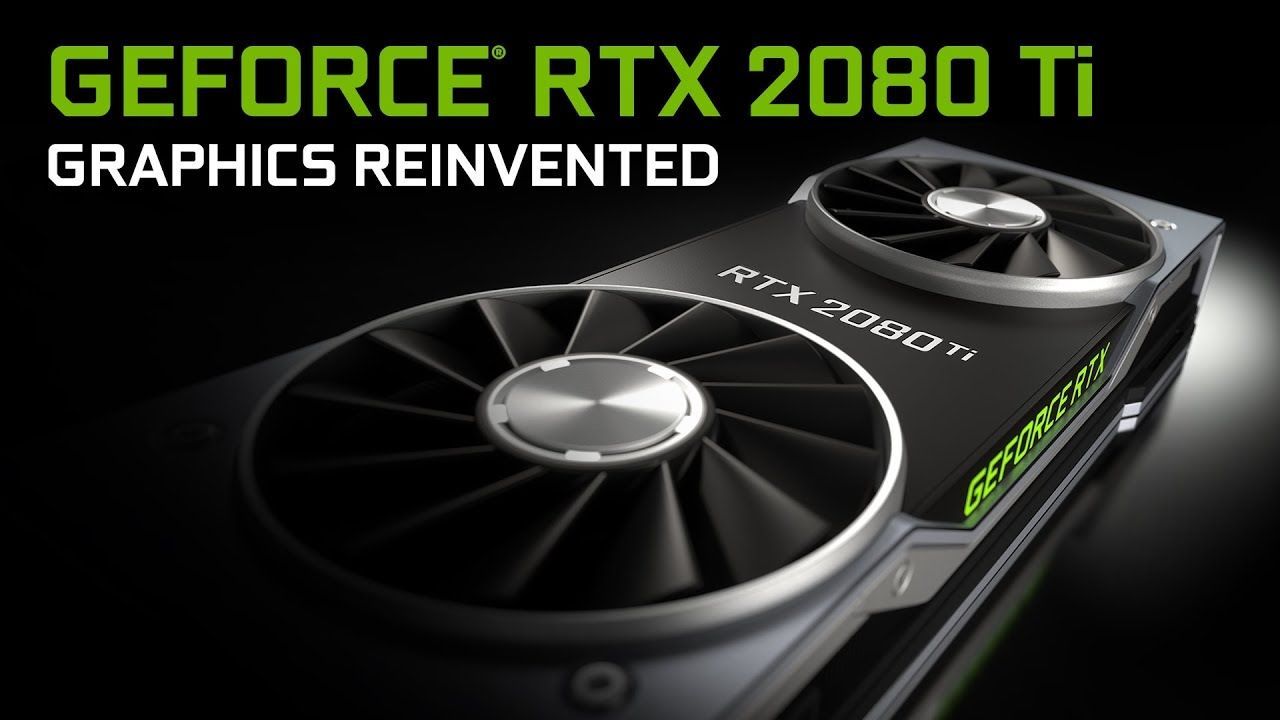
Eight years ago Nvidia shipped the GeForce RTX 2080 and 2080 Ti, the first consumer GPUs built for real-time ray tracing. The feature launched with almost no games that used it.
That awkward debut is now easy to misread. The lasting significance of Turing was never the ray-traced reflections that reviewers struggled to justify at launch. It was the Tensor cores riding alongside them. Nvidia used a gaming product to normalize dedicated matrix-math silicon in mainstream hardware, then leveraged that same architecture into DLSS, and from there into the data-center accelerators that now underpin the entire AI boom. Ray tracing was the consumer-facing story; AI acceleration was the strategic payload. The company effectively subsidized its pivot to becoming an AI infrastructure supplier on the back of enthusiast gamers, and the market rewarded it with a valuation trajectory few predicted in 2018.
The global lesson for executives is about sequencing. Turing shows how a platform holder can introduce an unproven capability, absorb the criticism of a thin ecosystem, and win by controlling the developer tooling and the reference implementation. Competitors chasing feature parity on ray tracing alone missed that the durable moat was software: the CUDA and DLSS stack that locked developers in long before AI workloads made it indispensable.
For Japan, the implications run in two directions. On the demand side, Japanese studios such as those behind console and PC crossover titles now optimize for Nvidia's upscaling and ray-tracing pipelines by default, deepening dependence on a single vendor's proprietary tooling. That is a procurement and portability risk worth naming in any multi-year engine roadmap. On the supply side, Japan's materials and equipment makers, and the packaging and memory suppliers that feed advanced GPU production, are direct beneficiaries of the compute buildout that Turing quietly seeded. The same wave that started as a gaming feature now drives orders across the Japanese semiconductor supply chain.
For SIers and enterprise dev teams, the practical takeaway is that GPU strategy is no longer a graphics decision. The hardware your studios buy for rendering is the same class of silicon your AI inference workloads will compete for. Teams that treat gaming GPU procurement and AI compute planning as separate budgets will find themselves bidding against their own colleagues in a supply-constrained market.