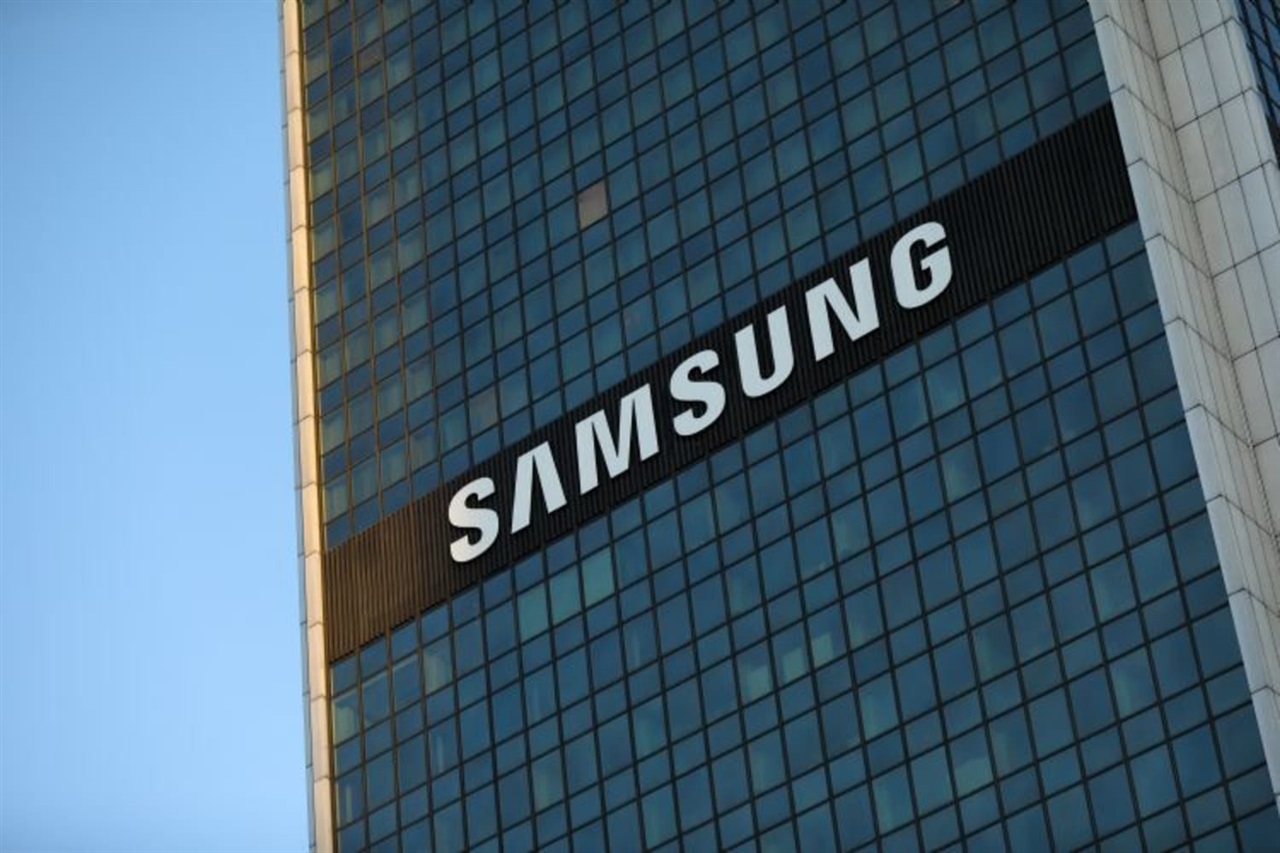
Samsung intends to more than double production of its next-generation HBM4 and HBM4E memory next year. The strategic story is not the volume itself but what it signals about a market where high-bandwidth memory has become the true bottleneck in AI compute.
For two years, HBM supply has behaved less like a commodity and more like an allocation regime. SK Hynix moved first and captured premium share inside Nvidia's supply chain, while Samsung spent much of the cycle qualifying parts and playing catch-up. A doubling of planned output is a declaration that Samsung is done ceding the highest-margin memory tier. If those parts clear qualification at the accelerator makers, the effect is a shift from a near-single-source dynamic toward genuine dual-sourcing. That is deflationary for buyers and margin-compressing for whoever currently enjoys scarcity pricing. Hyperscalers and GPU vendors gain leverage; the memory makers trade unit price for volume and lock-in.
The risk cuts both ways. HBM capacity is capital-intensive and slow to reverse. If AI accelerator demand cools or shifts toward inference-optimized designs that lean on cheaper memory, an aggressive ramp turns into overhang. The bet embedded here is that frontier training and dense inference clusters keep absorbing every stacked die that yields. Given the datacenter buildout still underway, that bet is defensible, but it concentrates Samsung's fortunes on a demand curve set by a handful of customers.
For Japan, the read-through is upstream. Japanese suppliers sit deep in the HBM production chain: precision materials, photoresists, bonding and test equipment, and advanced packaging tooling. A capacity doubling flows straight into order books for firms supplying deposition, inspection, and thermocompression bonding gear, plus the specialty chemicals that Japan still dominates. This is the segment where Japan's semiconductor relevance is most durable, and an HBM arms race is a tailwind regardless of which memory maker wins the socket.
For Japanese enterprises and SIers, the implication is procurement and planning. A more contested HBM market should ease the accelerator scarcity that has throttled domestic AI infrastructure projects and inflated GPU-instance pricing. SIers scoping on-premise AI clusters or sovereign-cloud builds for regulated clients should model a scenario where memory-driven supply constraints loosen through next year, improving both availability and negotiating position. The practical move is to avoid locking multi-year hardware commitments at today's scarcity premiums when a supply inflection may be arriving.