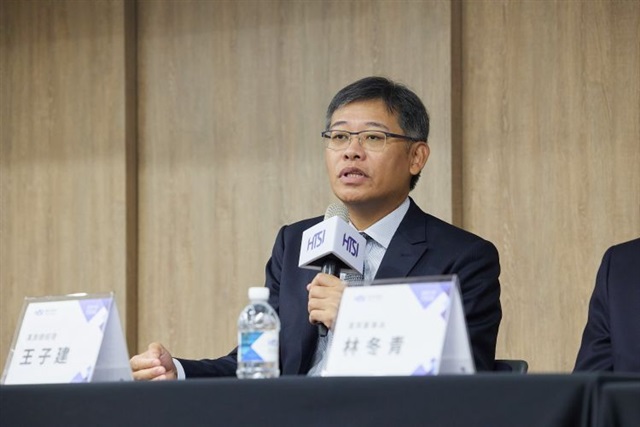
A testing-solutions supplier reporting first-half profit more than tripling — driven by AI and HPC demand plus foundry and OSAT capacity expansion — is a small data point that reveals a large structural shift. The market obsesses over wafer fabrication and advanced nodes, but the economic value is quietly migrating down the chain to the back end: probe cards, test engineering, and customized handling equipment. When a niche test vendor triples earnings, it signals that testing is no longer a commoditized afterthought. It is becoming a gating constraint.
The logic is straightforward. AI accelerators and HPC parts are larger, hotter, and denser than traditional logic, and they increasingly ship as multi-die packages built on HBM stacks and advanced packaging. Each of those changes multiplies test time, test complexity, and the cost of an escaped defect. A single faulty die in a co-packaged assembly can scrap a component worth thousands of dollars, so buyers are willing to pay for more testing, longer testing, and better test coverage. That is why probe cards and test IP are commanding pricing power that fabless design houses would envy. The scarce resource in the AI buildout is shifting from raw fab capacity toward the ability to validate parts at volume without becoming the yield chokepoint.
For investors and strategists, the implication is to stop reading semiconductor strength solely through foundry revenue and start tracking back-end signals — test-equipment order books, probe-card lead times, and OSAT utilization. These are leading indicators of whether the AI hardware ramp can actually convert design wins into shipped, qualified silicon.
For Japan, this is unusually good news, because the country holds structurally strong positions in exactly the layers now gaining pricing power. Japanese suppliers dominate large swaths of the test-equipment and test-materials stack, from automated test systems for logic and memory to the precision materials and consumables that back-end lines burn through. As global foundries and packaging houses expand, Japanese vendors capture demand that is far less cyclical and far stickier than front-end capex, since test recipes and qualified suppliers are hard to swap out once a line is running.
For Japanese enterprises, SIers, and local engineering teams, the opportunity is adjacent but real. The back-end surge generates enormous test data, and factories need software to manage yield analytics, traceability, and equipment-integration workflows across sprawling OSAT operations. This is where Japanese SIers and RPA-oriented teams can move up the value chain — not by chasing frontier AI models, but by building the manufacturing-execution, data-pipeline, and quality-inference layers that convert test output into yield decisions. The strategic risk is complacency: strength in hardware can mask weakness in software and integration, and that gap is precisely where non-Japanese players will try to insert themselves.