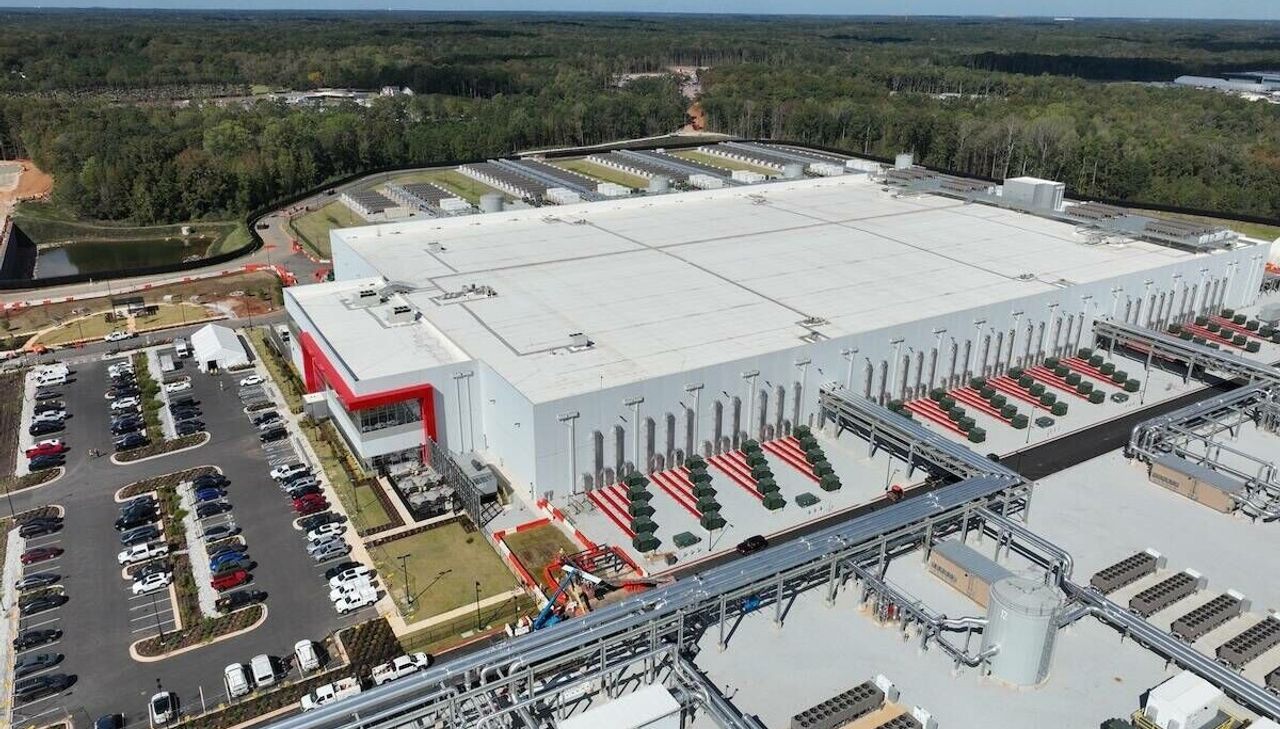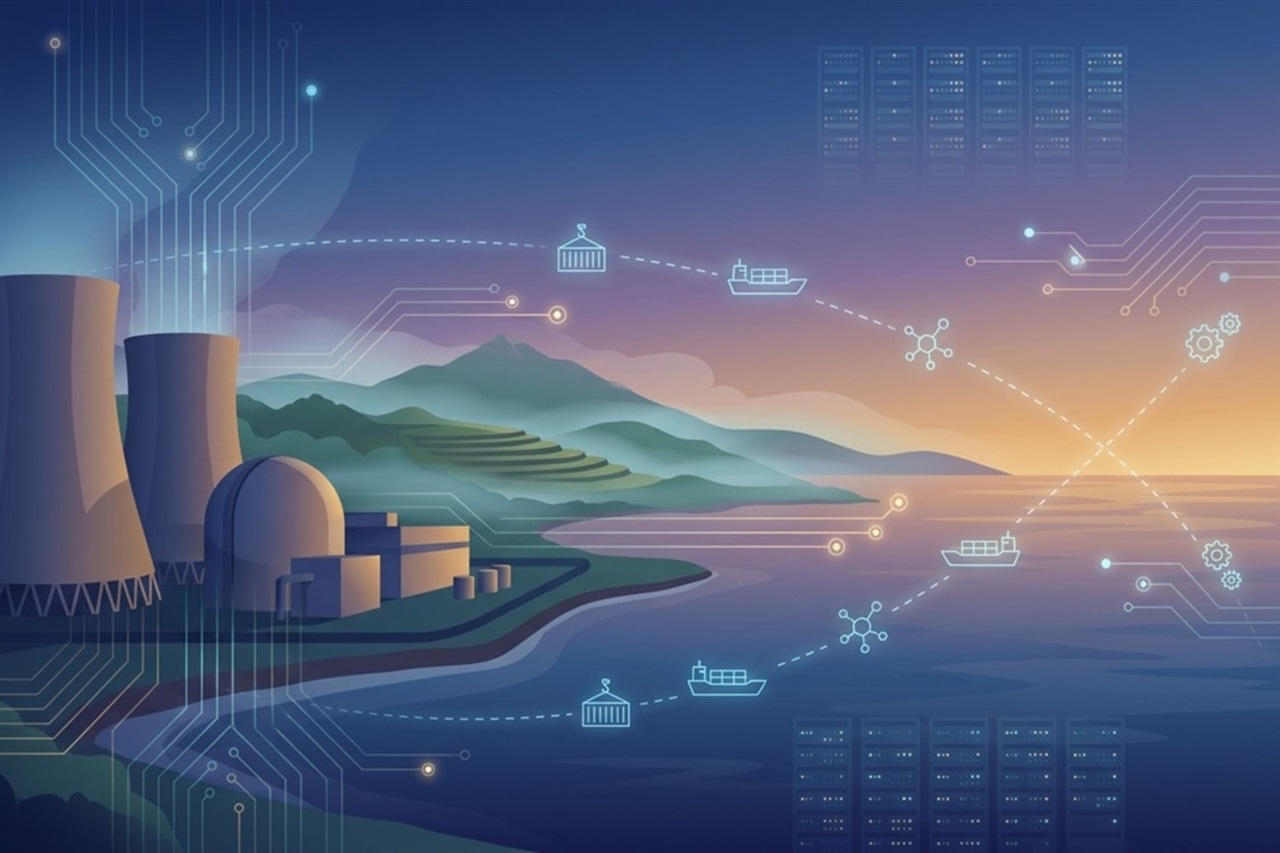
The defining constraint of the AI era is no longer GPUs or fab capacity—it is electrons. Rising data-center and semiconductor demand is reviving nuclear power globally, tightening the supply of reactor components and skilled engineers, while Taiwan weighs restarting idle reactors and TCS commits roughly $7.4B to a one-gigawatt AI campus in southern India.
These are two faces of the same shift. A single gigawatt facility consumes what a mid-sized city does, and that math is forcing hyperscalers and integrators to secure baseload power before they secure chips. The result is a scramble for firm, carbon-free generation—nuclear restarts, SMR contracts, long-term PPAs—that few procurement teams were built to negotiate. The winners in the next capex cycle will be those who treat energy sourcing as a core competency, not an afterthought. Expect grid interconnection queues, transformer shortages, and nuclear labor scarcity to become the real gating factors on AI rollout timelines, ahead of model availability.
TCS's move also signals where Asian compute gravity is heading. India is positioning itself as a sovereign AI-infrastructure hub, and a Tier-1 SI building its own gigawatt plant blurs the old line between service provider and infrastructure owner. That is a strategic template worth watching.
For Japan, the implications are sharper than for most. Post-Fukushima caution has kept much nuclear capacity offline even as Kashiwazaki-Kariwa and other restarts inch forward, and the country's AI data-center ambitions—backed by domestic telcos and cloud players—collide directly with grid and power-cost realities. If global demand drives up the price of reactor parts and nuclear talent, Japan's restart economics get harder precisely when its AI buildout needs cheap, stable power most.
Japanese SIers face a genuine repositioning question. TCS is showing that the integrator role can extend into owning the power-and-compute stack; firms like the domestic majors will be pressed to decide whether they broker capacity or build it. RPA and local development teams should plan for a period where compute access is rationed by energy availability and cost, not just cloud quotas—meaning workload efficiency, right-sizing, and region selection become competitive levers. The strategic takeaway for Japanese executives: secure power partnerships and energy-aware architecture now, because in an AI economy shaped by electrons, the organizations that lock in generation early will set the pace for everyone downstream.