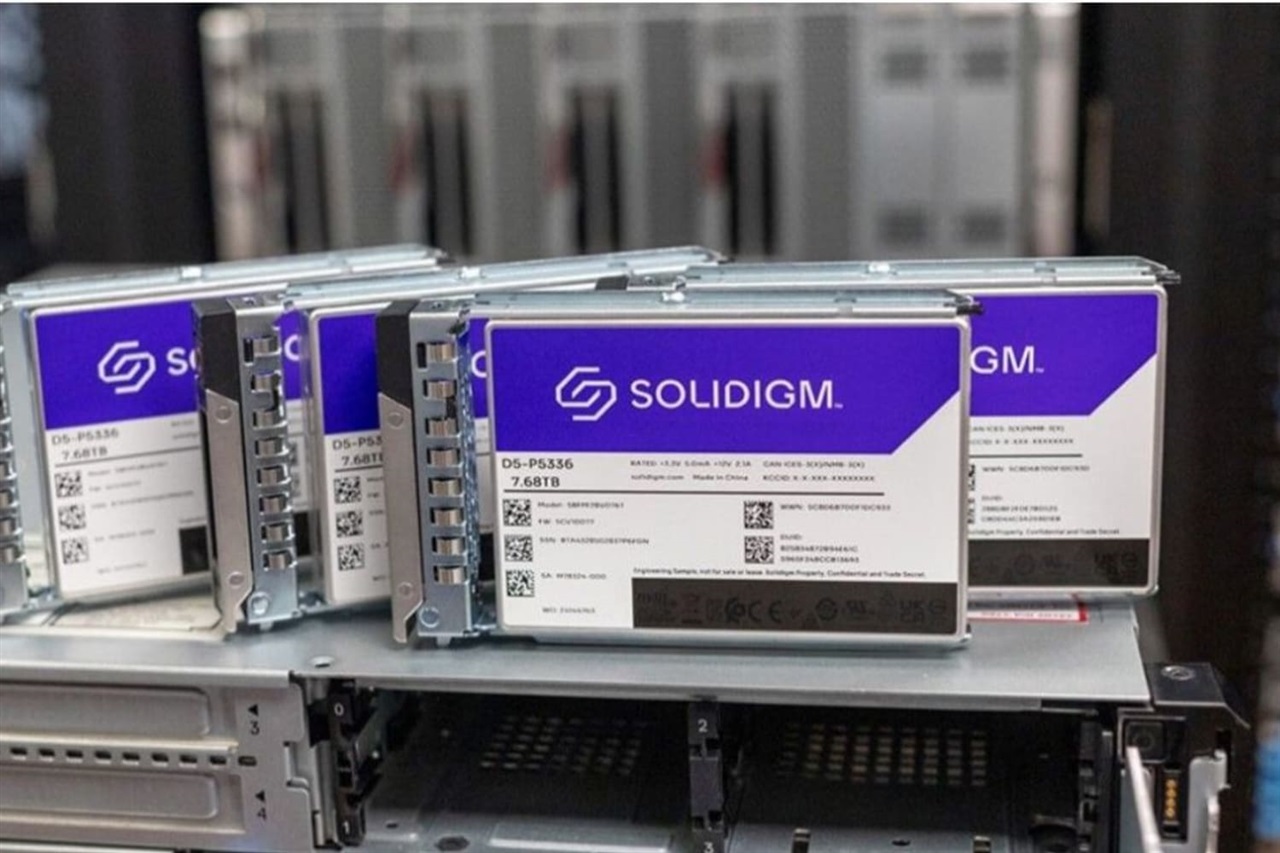
PC Partner, ZOTAC's parent, warns that GPU shortages will intensify through the second half of 2026, hitting the entry-level segment hardest as AI-fueled DRAM demand drives memory and card prices to new highs.
The structural story is a reallocation of the world's memory output. Fab capacity that once flowed toward commodity GDDR and consumer DRAM is being redirected to HBM and high-density modules feeding datacenter accelerators, where margins dwarf anything the gaming aisle can offer. When the same wafers can serve a hyperscaler paying premium prices, memory vendors have little incentive to prioritize a $200 graphics card. The result is a rising price floor that propagates downward: flagship GPUs absorb hikes because buyers tolerate them, but budget cards lose their reason to exist once their bill of materials climbs faster than their target price. The 'affordable GPU' as a category is being quietly priced out of the market.
The second-order effects reach well beyond gaming. Small AI labs, robotics teams, and edge-compute projects that relied on cheap consumer cards for prototyping now compete against the very datacenter demand that is starving supply. Expect longer PC refresh cycles, a bump toward integrated graphics and APUs, and renewed momentum for cloud gaming and GPU rental as ownership economics deteriorate. Component scarcity, not chip design, becomes the binding constraint on who can afford to experiment with compute.
For Japan, the pressure lands on multiple fronts at once. Domestic PC vendors and BTO builders face margin compression and thinner lineups precisely as a weak yen already inflates imported component costs, pushing consumer prices to levels that dampen the enthusiast and creator markets. Japan sits close to the supply chain through its memory and materials base, yet that proximity offers no discount when global allocation favors AI buyers.
SIers and corporate IT teams should treat this as a hardware-budget planning signal rather than a gaming footnote. On-premises GPU procurement for internal AI pilots will get more expensive and less predictable through 2026, strengthening the case for managed cloud GPU capacity and for RPA or lighter automation where full model inference isn't essential. Development teams building local AI tooling should secure hardware early or architect for cloud elasticity now, before the second-half squeeze narrows their options and their negotiating leverage.